She didn't shout back. She just turned and walked into the small home office Dad had used for his taxes. She reached into the bottom drawer of an old filing cabinet and pulled out a battered blue folder. She walked back and handed it to me.
"Open it," she whispered.
I sat on the bottom step and opened the folder. Inside were old pay stubs from the late eighties, handwritten ledgers, and a stack of "Past Due" notices from a bank, all dated between 1987 and 1991. I saw my mother’s name on checks from a local diner, a cleaning service, and a night-shift security firm.
"What is this?" I asked, confused. "Dad had the steady job at the plant. We were fine."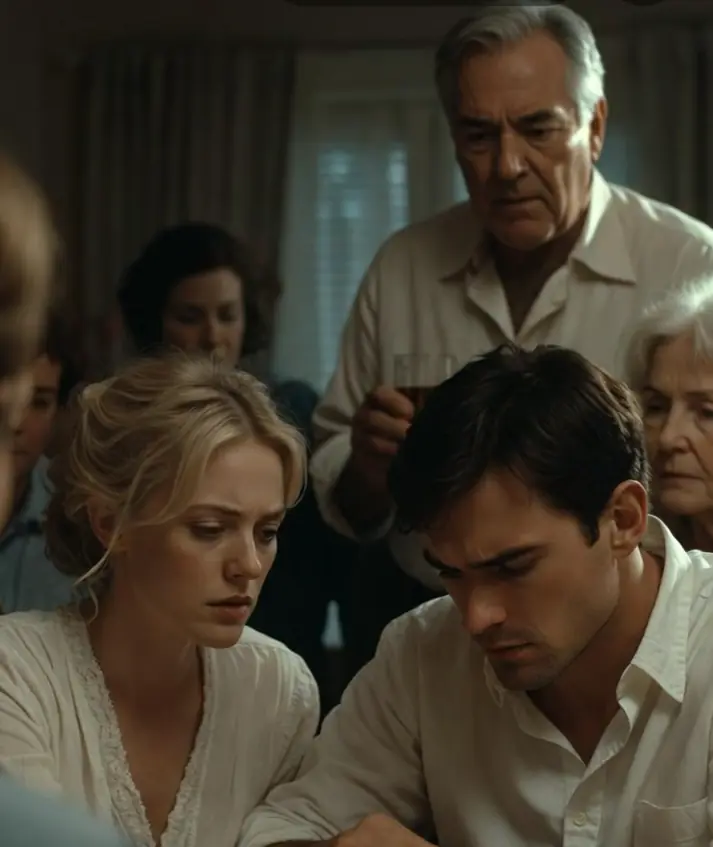
"We weren't fine, Leo," she said, sitting on the step above me. "In 1988, the plant did those massive layoffs. Your father was out of work for nearly two years. He was devastated—he felt like he’d failed us. He wanted to sell then. He wanted to walk away because he couldn't bear the shame of the 'Foreclosure' sign."
She looked out the window at the front yard. "But I wouldn't let him. I told him this house was where you were going to grow up. So I worked. I worked the breakfast shift at the diner, I cleaned offices in the afternoon, and I sat at a security desk three nights a week while you were sleeping. Your father did everything he could, taking odd jobs and fixing whatever broke, but it was my three jobs that kept the bank away."