These systems are connected through radar networks, command centers, and interceptor missiles. When a projectile is detected, the system evaluates its trajectory and determines whether interception is necessary. If the missile is predicted to threaten populated areas or critical infrastructure, interceptors are launched to neutralize the threat.
Despite the sophistication of such systems, defense experts often point out that no air-defense network can guarantee complete interception. The effectiveness of interception can depend on factors such as the number of incoming projectiles, their speed, and the complexity of the attack.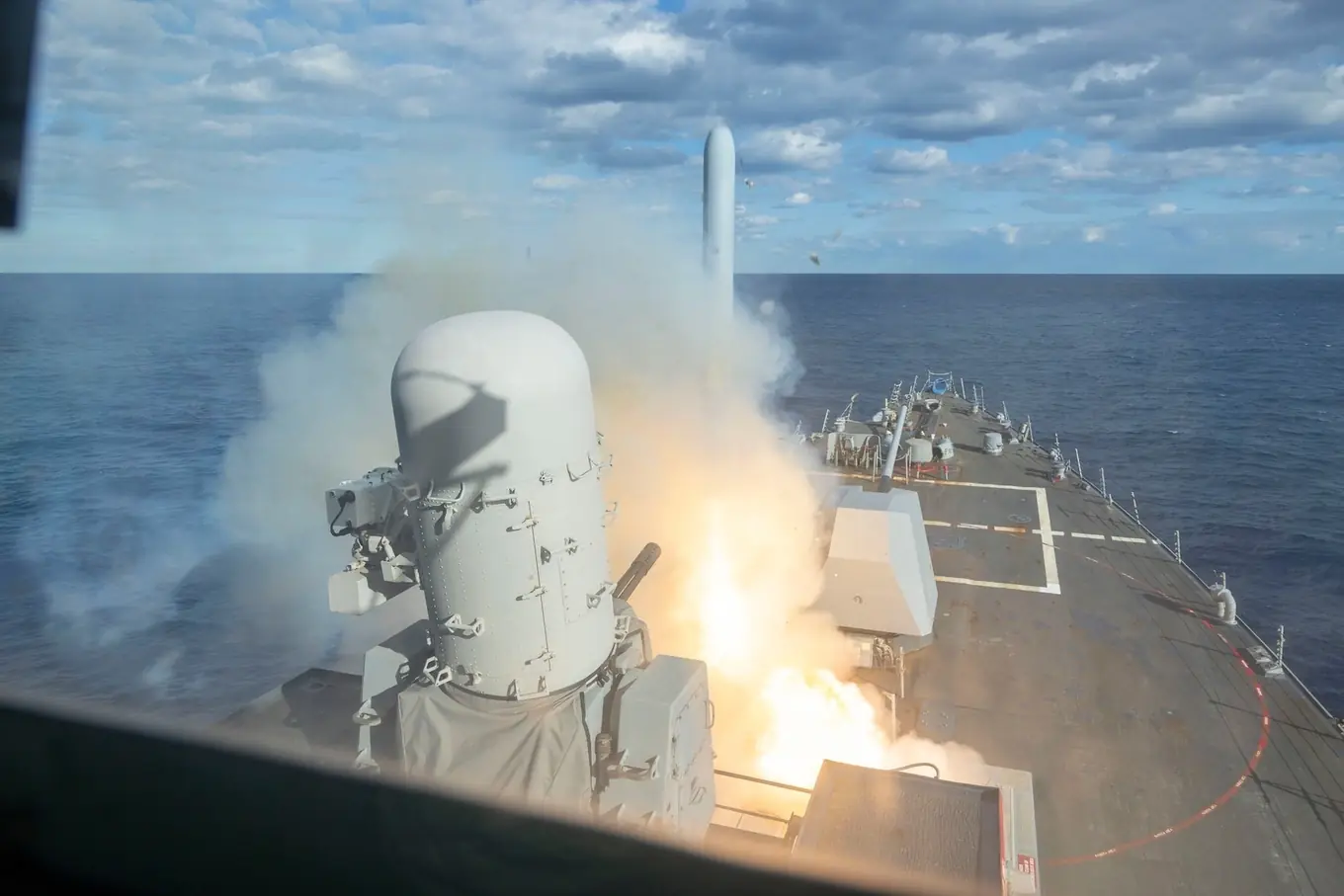
3. Advances in missile technology
In recent years, Iran has focused on improving several aspects of missile design, including speed, maneuverability, and guidance systems. These developments are intended to increase the chances that missiles can bypass or challenge modern defense systems.
Some newer missiles are designed to change direction during the final stage of their flight. This maneuvering ability can make interception more complex because defensive systems must constantly recalculate the missile’s path.