The Shahed-136, for example, has a wingspan of roughly 2.1 meters and travels at a cruising speed of about 193 kilometers per hour. It can carry a payload of approximately 41 kilograms and is capable of reaching distant targets.
Unlike larger systems that require complex launch facilities, drones of this type can be launched using simpler equipment. This flexibility allows them to be deployed from a variety of locations.
Their flight profile also differs from that of ballistic missiles. Instead of traveling at extremely high speeds, they move more slowly and often fly at lower altitudes. This combination can make them more difficult to detect using some radar systems.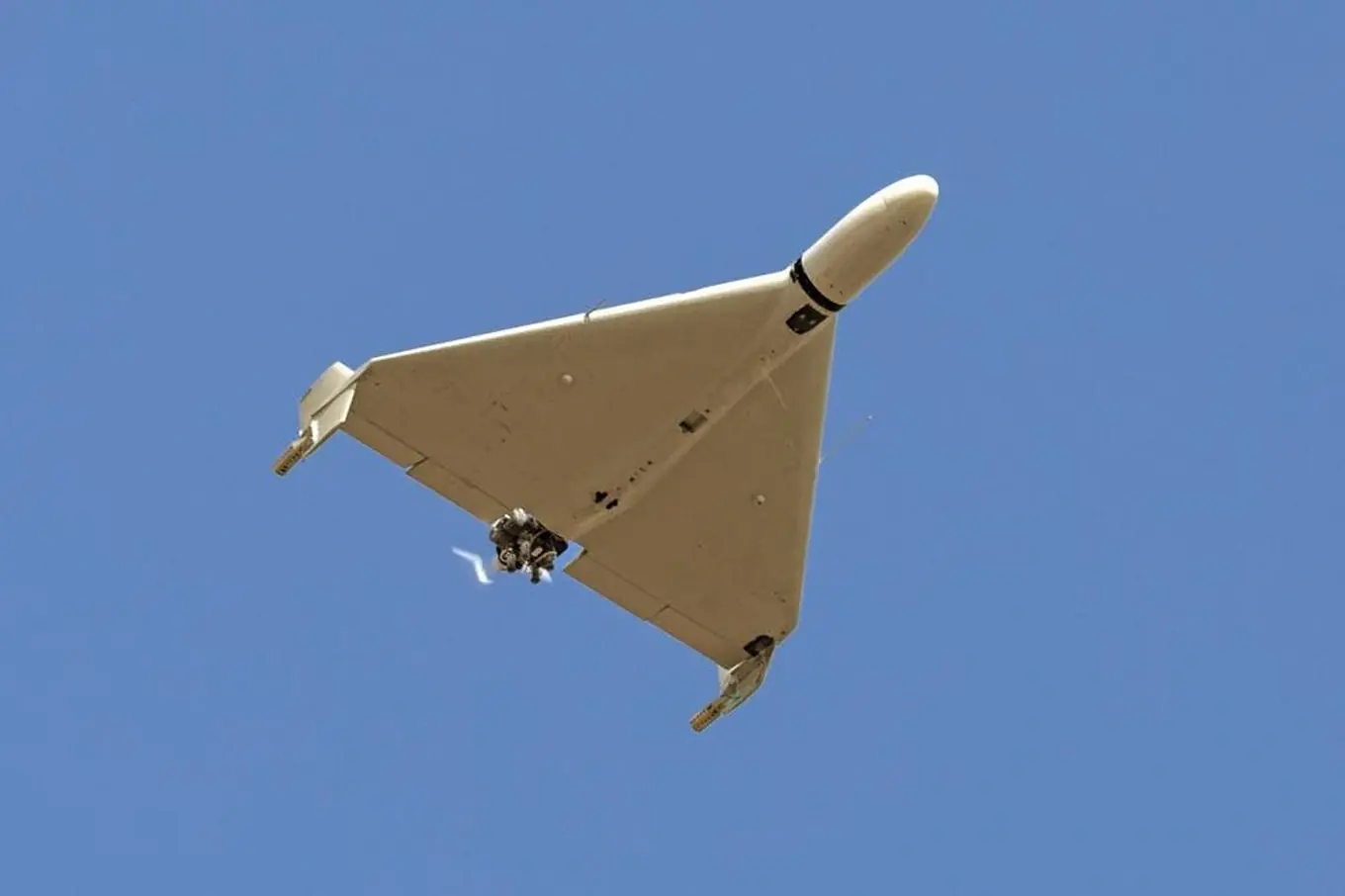
Cost differences and operational balance
A major factor highlighted by analysts is the cost difference between these drones and the systems used to intercept them. According to estimates cited in the report, a single Shahed drone may cost between $20,000 and $50,000 to produce.