He didn't answer immediately. He just rested his hand on mine, the warmth of his skin a stark contrast to the cold glass of the window. "Maybe," he said. "But tonight, your mother needs the palace. Tomorrow... tomorrow we can look at the ruins."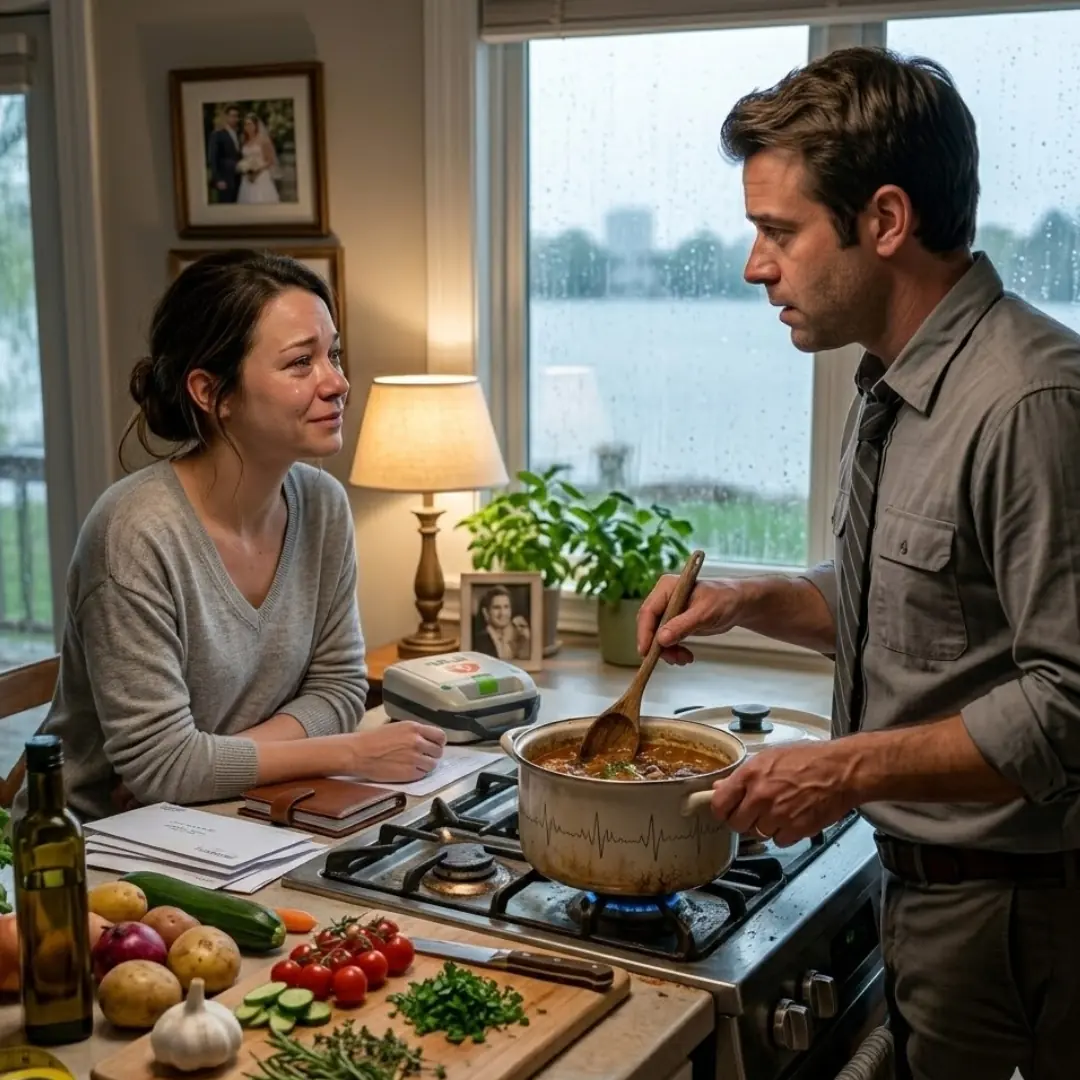
I returned to the dining room a few minutes later. The scene was still the same—the fire was still crackling, the wine was still flowing, and the forced smiles were still in place. But my perspective had undergone a quiet, powerful shift.
I realized that our gathering wasn't a celebration of our unity; it was a memorial for it. We were gathered around a memory. And while that realization was painful, it also brought a strange sense of peace. I no longer felt the need to fight the distance. I accepted it. I stopped trying to bridge the canyon between Michael and me with polite chatter. I stopped trying to force a spark back into my interaction with Julian.
I sat back and watched my family with a new kind of clarity. I saw the love that was still there, buried under the layers of resentment and silence. It was a distorted, dysfunctional kind of love—the kind that shows up for a dinner it doesn't want to attend and smiles through a pain it isn't allowed to name. It wasn't the love of a "perfect" family, but it was the love of people who were trying, in their own broken way, to stay connected to their history.