"I’ve been waiting to show you this," he said, opening the lid. Inside were faded black-and-white photographs, old land deeds, and a handful of military medals.
We spent the afternoon immersed in the debris of a century. He told me about his own father, who had survived the Great Depression by sharing every scrap of food with neighbors who had less. He told me about the mistakes he’d made—the years he spent working too hard, thinking that providing a house was the same as providing a home.
"I used to think my legacy was this land," Silas said, tracing the edge of an old map. "I thought if I kept the soil rich and the fences straight, I’d done my job. But land can be sold, Ben. Dirt doesn't remember your name. The only thing that stays is the people you loved and the way you taught them to love others. I spent too many years being proud and stubborn. I let a disagreement with my brother last twenty years, and by the time I was ready to forgive him, the earth had already claimed him. That’s a weight you don't want to carry."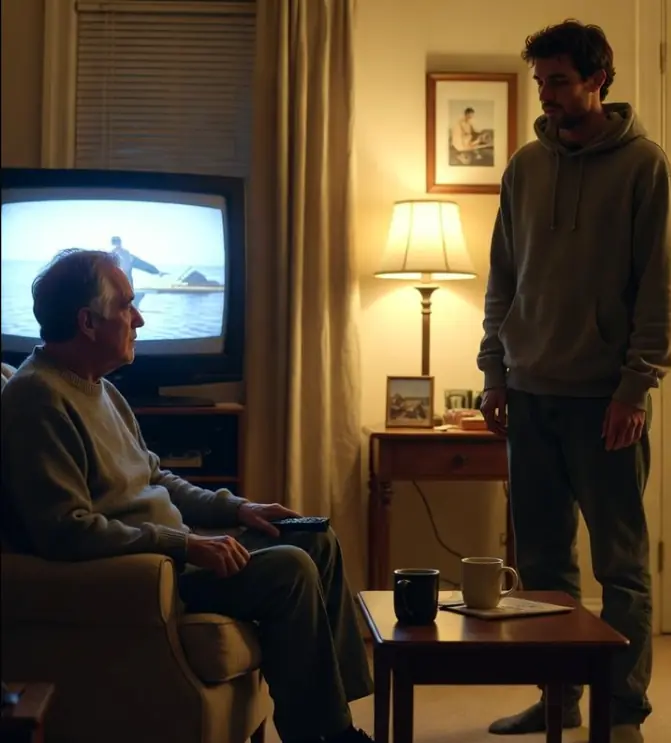
He looked at me, his eyes bright with an urgent, clear wisdom. "Family isn't a convenience, Ben. It’s a commitment. It’s the choice to show up when it’s hard, to listen when you’re tired, and to hold on when the world tells you to let go. You’re the bridge to the next generation. If you don't carry the stories, they die with me."