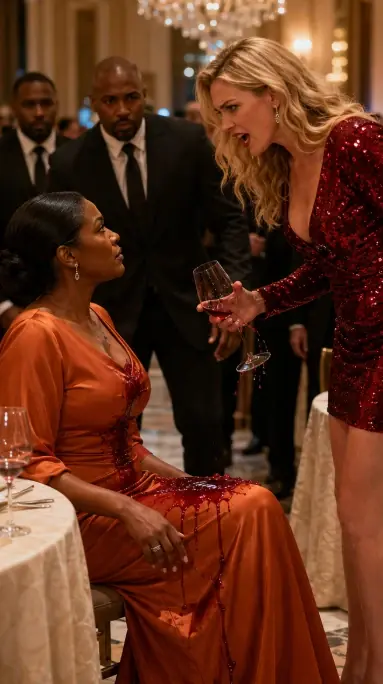
Black CEO Mocked by White Female CEO at Billionaire’s Gala — Then She Cancelled the $4.9B Deal.
⏱️ 1 min read 26/08/2026 11:56
back! Tell it to the judge, old man. Assuming you can afford
a lawyer."
Byron leaned back against the hard plastic seat,
closing his eyes. *The judge,* Byron thought. *Judge
Harrison. The same man who swore me in three days ago.*
A faint, almost imperceptible smile touched the corner of
Byron's lips. The ride downtown felt long, but for Byron, it
was the necessary journey to the start of a revolution.
Chapter 4: Concrete and Iron
The Ashford County Police Department precinct was
an imposing, brutalist concrete structure that squatted in
the center of the city like a fortress. It had narrow
windows, heavy steel doors, and an atmosphere that
seemed intentionally designed to strip hope from anyone
who entered in handcuffs. Travis pulled the cruiser into
the secure sally port around the back, the massive metal
garage doors grinding shut behind them, sealing them
inside the belly of the beast.
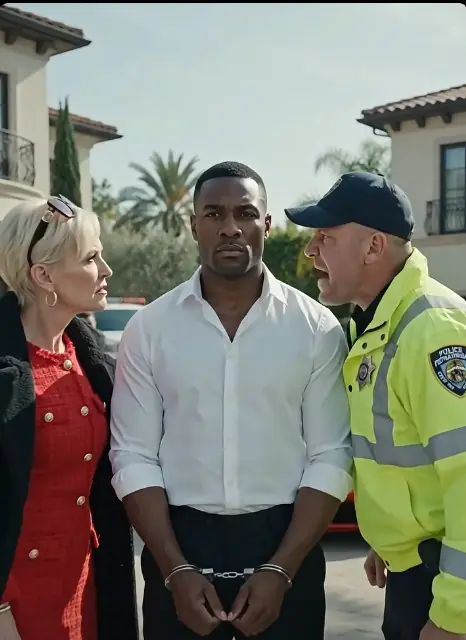
"End of the line," Travis said, pulling Byron out of the
back seat. He grabbed Byron by the bicep, his grip tight
enough to bruise, and marched him through the heavy
double doors into the booking area.
The booking room was chaotic. Phones rang
incessantly, officers in various states of uniform drank stale
coffee, and the harsh fluorescent lights buzzed with a
headache-inducing hum. At the center of it all sat the
booking desk, raised slightly higher than the rest of the
floor to look down upon the incoming suspects. Behind it
sat Sergeant Higgins, a man who looked like he had been
born behind that desk, his face lined with years of cynical
exhaustion.
"What do we have here, Crawford?" Higgins asked,
barely looking up from his computer monitor as Travis
shoved Byron up to the counter.
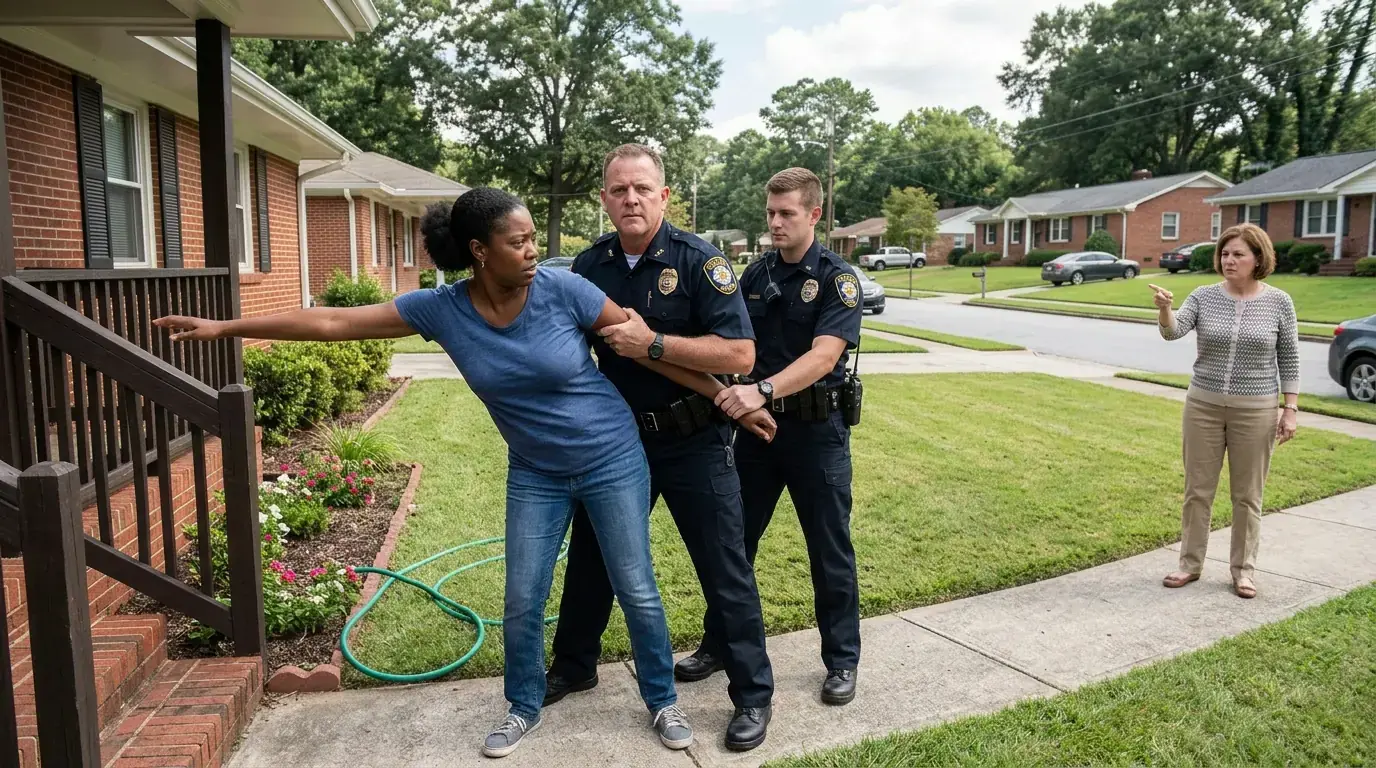
"Disturbing the peace. Resisting arrest. Assault on an
officer," Travis rattled off, tossing Byron's wallet onto the
counter with a loud smack. "Caused a massive scene down
at Holloway's. Refused lawful orders."
Higgins sighed, finally looking up. He took in Byron's
calm demeanor, his respectable clothing, and the stark lack
of any physical agitation. Higgins had been on the force a
long time. He knew a trumped-up charge when he saw one.
He also knew better than to question the son of the Chief of
Police. "Alright. Empty his pockets, get him processed. We'll
put him in holding cell four until the magistrate comes on
duty this afternoon."
Other officers in the room cast sidelong glances at the
scene. A few looked uncomfortable, shuffling papers or
suddenly finding extreme interest in their computer
screens. None of them stepped forward. None of them
asked questions. The blue wall of silence was impenetrable
in Ashford, built on a foundation of fear and complicity.
Byron was processed with degrading efficiency. He
was fingerprinted, photographed, and ordered to remove
his shoelaces and belt. Throughout it all, he remained a
portrait of dignity. He did not argue. He did not plead. His
silence seemed to unnerve the processing officers, though
it only infuriated Travis further. Travis wanted a reaction.
He wanted the satisfaction of breaking the man's spirit.
"Walk," Travis ordered, pushing Byron down a long,
narrow concrete hallway lined with steel-barred cells. The
smell of ammonia and unwashed bodies was
overwhelming. Travis stopped at cell number four, sliding
the heavy metal door open with a loud, grating clang. "Get
in."
Byron stepped inside. The cell was sparse—a single
metal bench attached to the wall, a lidless stainless steel
toilet in the corner, and a small, dirty window high up near
the ceiling that let in a pathetic sliver of gray morning light.
The door slammed shut behind him, the lock engaging with
a heavy, final thud.
transparency, and rebuilding community trust. But sitting
in that cell, smelling the rust and the bleach, Byron realized
that speeches were no longer enough. The rot in Ashford
County ran deeper than anyone knew. It was systemic. It
was institutional. And it was going to require surgery, not
just a bandage.
An hour passed. Then two. The precinct outside his
cell buzzed with routine activity. Finally, the heavy door at
the end of the hall opened, and a young rookie officer,
looking nervous and out of place, approached cell four.
"Hey," the rookie said softly, glancing over his
shoulder to make sure he was alone. "You... you get a phone
call. Policy says you get one. You want to make it?"
Byron stood up, towering over the young officer
despite being behind bars. "Yes," Byron said smoothly, a
7 Part