I walked down the hall to the small room at the end of the house, the one we usually reserved for holiday guests or piles of laundry. I shut the door and lay down on the narrow mattress. The air was cooler there, but the silence was louder. I told myself this was a tactical retreat, a way to preserve the marriage by removing the friction. I convinced myself that the separate rooms were a sign of maturity, an adult solution to an emotional burnout. But as the hours ticked by, the space I had craved felt less like a sanctuary and more like a cell.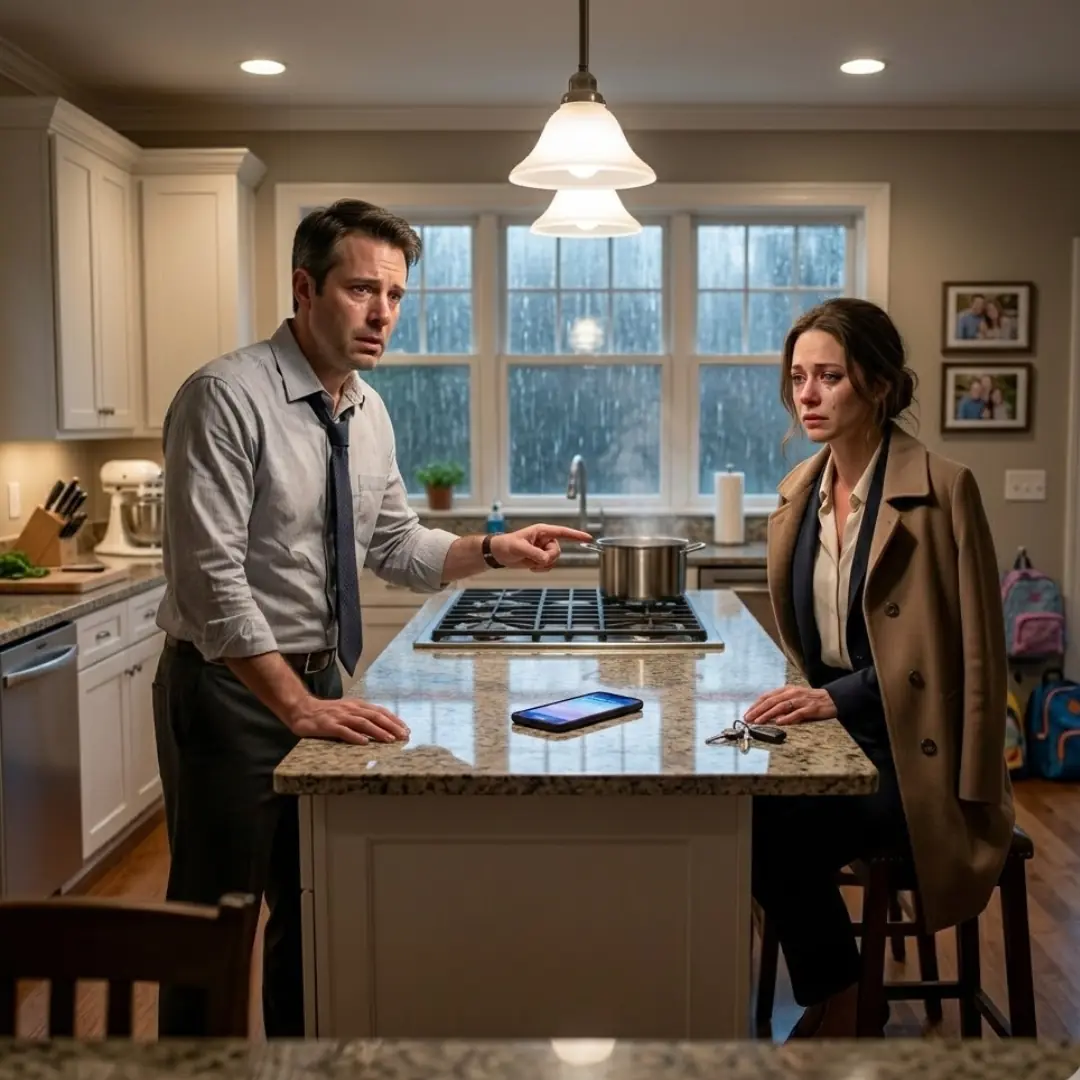
The emotional peak happened around 1:00 AM. I was staring at the ceiling, tracing the shadows of the maple tree outside the window, when I heard the floorboard creak in the hallway. It was a soft, familiar sound. I held my breath, expecting a knock, a question, or even an angry demand for me to come back.
Instead, I heard a jagged, stifled breath. Then another. It was the sound of Clara crying—not the loud, cathartic sob of a movie, but the quiet, desperate weeping of someone who is trying to remain invisible. I heard her hand brush against the wood of my door, a ghostly touch that lasted only a second, before her footsteps retreated back toward our master bedroom. She hadn't knocked. She had come to the door of my exile, stood in the dark with her grief, and then walked away, leaving the silence intact.