That word—lonely—hit me harder than the rejection letter. I realized that in my quest for "loyalty," I had isolated myself from everyone who was actually standing in the room with me. I had been so busy being a "good daughter" to a memory that I was being a miserable person in reality.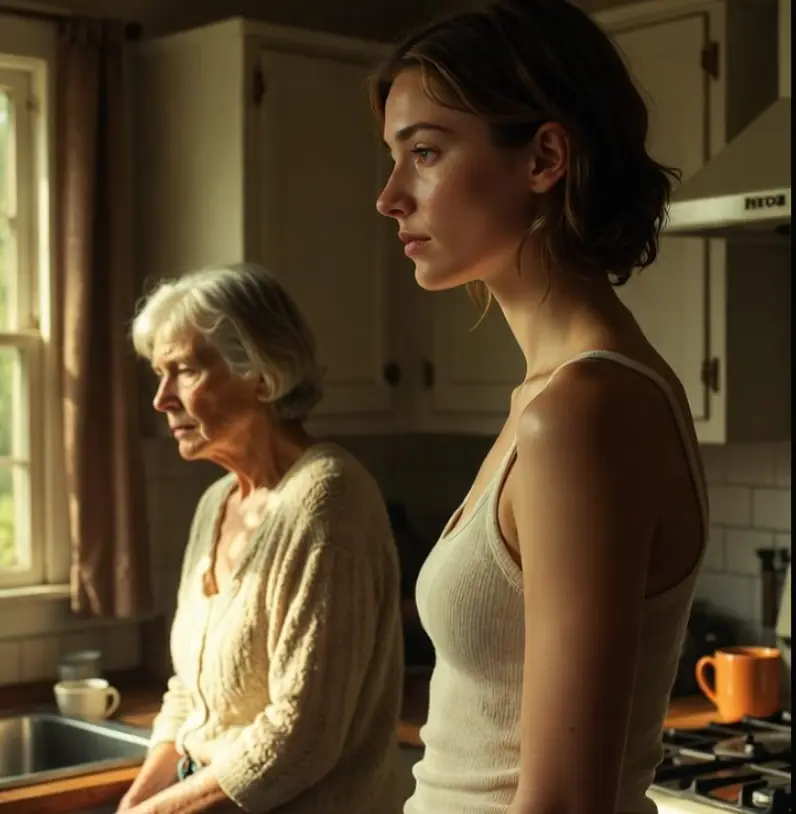
For the rest of that evening, we didn't talk about the divorce. We talked about other colleges. We talked about the books she was cataloging. We talked about the future as something that belonged to me, not to my parents’ history.
Healing didn't happen overnight. There were still awkward moments and days where the old resentment flared up like a recurring fever. But the "fortress" had been breached. I started letting Chloe help me with my scholarship applications. I started noticing the way she made my father a better, calmer man. I even started mentioning her to my mother—not as a rival, but as a person who was helping me navigate the storm.
My mother, to her credit, saw the change in me. "She’s been good to you, hasn't she?" she asked one afternoon as we were shopping.
"Yeah, Mom," I said, taking a deep breath. "She has. And it doesn't mean I love you any less. It just means I’m not as tired as I used to be."