THE OLD MAN WHO WALKED INTO THE BOARDROOM
⏱️ 1 min read 26/08/2026 19:49
“You could have mentioned that earlier, Chief.”
“You were doing fine.”
Nathan informed Pinehaven's city attorney and his deputy chief that he was involved in a private dispute with his HOA.
He requested that any future criminal complaint connected to his address be reviewed by the county sheriff's office to avoid a conflict.
That decision would later become critical.
Because Vanessa Crowley was not finished.
She was only getting started.
The harassment became more systematic.
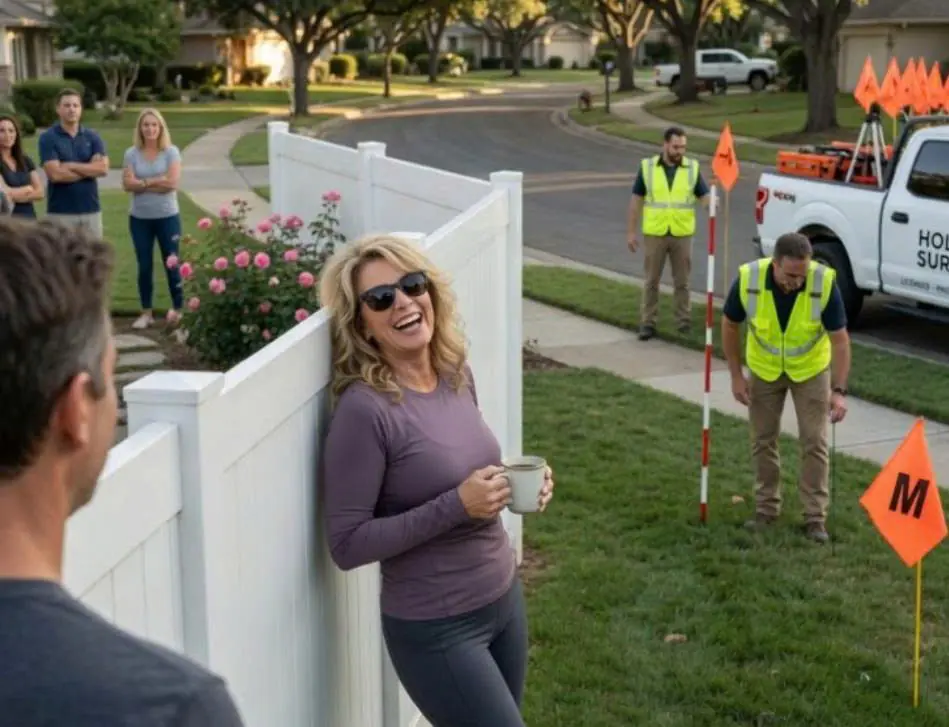
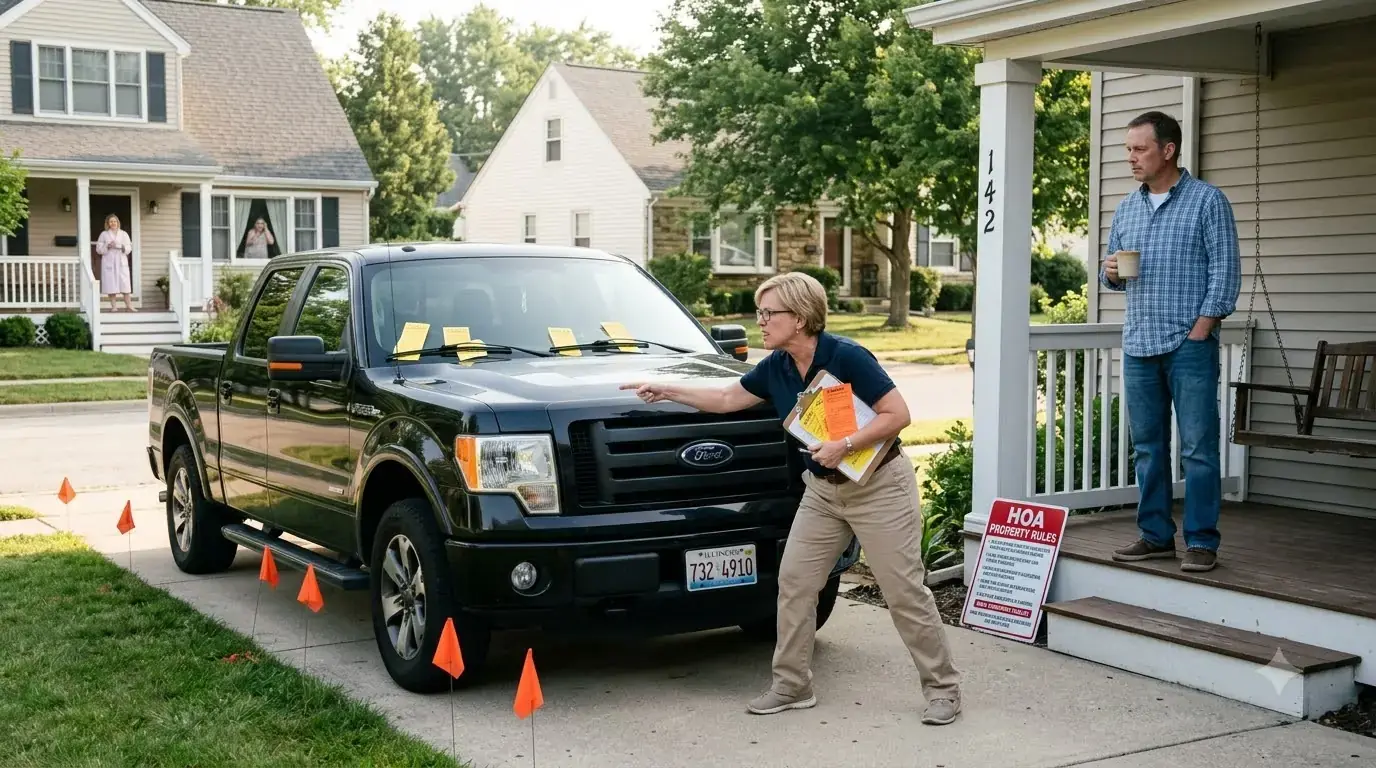
Vanessa began parking her Mercedes close to Nathan's driveway.
She told neighbors that the new widower was “not adjusting well.”
She implied he was drinking.
She suggested that the Mustang had become an unhealthy obsession.
Nathan ignored every comment.
Then the HOA announced a mandatory garage inspection.
Three men wearing matching navy shirts arrived at his house.
The shirts said:
HAWTHORNE GLEN COMMUNITY COMPLIANCE
None of the men displayed government identification.
None carried a warrant.
Nathan met them outside.
“Do you have written permission from the homeowner?”
One man lifted a clipboard.
“The covenants authorize inspection.”
“No covenant gives private individuals authority to enter a private residence without consent.”
“Refusal will result in additional penalties.”
“Document my refusal.”
Nathan closed the garage.
He photographed them as they walked away.
Later, he learned that one was Grant Crowley's cousin.
Another occasionally worked for a Crowley-owned property company.
The third had an outstanding misdemeanor warrant.
Nathan forwarded the information to the sheriff's office.
He did not order arrests.
He did not use his position.
He simply documented.
The first serious warning came through Owen.
Owen was nineteen and preparing to attend the University of Georgia.
One afternoon, he came home visibly angry.
“Tyler says his family is going to take the car.”
Nathan closed the refrigerator.
“What exactly did he say?”
“He said his father could make the fines hurt until you sold. Then he said it would belong to him one way or another.”
“Were there witnesses?”
“Two people from work.”
“Write down their names. Write down exactly what you remember. Don't contact Tyler.”
Owen stared at him.
“You're treating this like a case.”
“It may become one.”
“Why haven't you told them who you are?”
Nathan looked toward the garage.
“Because a person's conduct shouldn't depend on whether the neighbor they're abusing has a badge.”
That answer stayed with Owen.
It also explained everything Nathan did afterward.
He documented.
He preserved.
He waited.
The HOA claimed the Mustang was nonoperational.
Nathan produced registration and classic-car insurance.
They ignored both.
They claimed it was abandoned.
Nathan drove it regularly.
They accused him of visible disrepair.
The photograph showed sunlight reflecting from fresh wax.
Then came a letter from an attorney demanding that the Mustang be removed within fourteen days.
Nathan searched the lawyer's name.
The state bar number belonged to a retired attorney who had never represented the HOA.
The supposed law office was nothing more than a rented mailbox.
Nathan forwarded the letter to a county financial-crimes investigator.
That was when the dispute stopped being merely personal.
Detective Carla Monroe reviewed everything.
The forged legal letter.
The suspicious fines.
The oil container.
The repeated harassment.
She asked Nathan for every document he had.
He provided a chronological file.
Photographs.
Security footage.
Messages.
Violation notices.
HOA correspondence.
Payment records.
The attempted garage inspection.
Owen's account of Tyler's threat.
Carla read the file carefully.
Then she looked up.
“The Mustang is one small part.”
“I assumed it might be.”
“We need an overt act connected to the forged ownership claim. Something current.”
Nathan closed the folder.
“They'll call the police eventually.”
“How do you know?”
“Because Vanessa believes uniforms make lies feel official.”
Carla stared at him for a moment.
Then she nodded.
“I think you're right.”
The investigation expanded.
Investigators examined HOA records covering six years.
They found that Vanessa had filed vehicle-related complaints against nine homeowners.
Several owned classic cars.
Several received repeated violations.
And in several cases, Tyler or his friends later approached those homeowners with offers to buy their vehicles.
The pattern became impossible to ignore.
The receipts were handwritten.
The signatures looked suspiciously similar.
The notary stamp appeared on multiple documents.
Investigators checked the notary.
7 Part