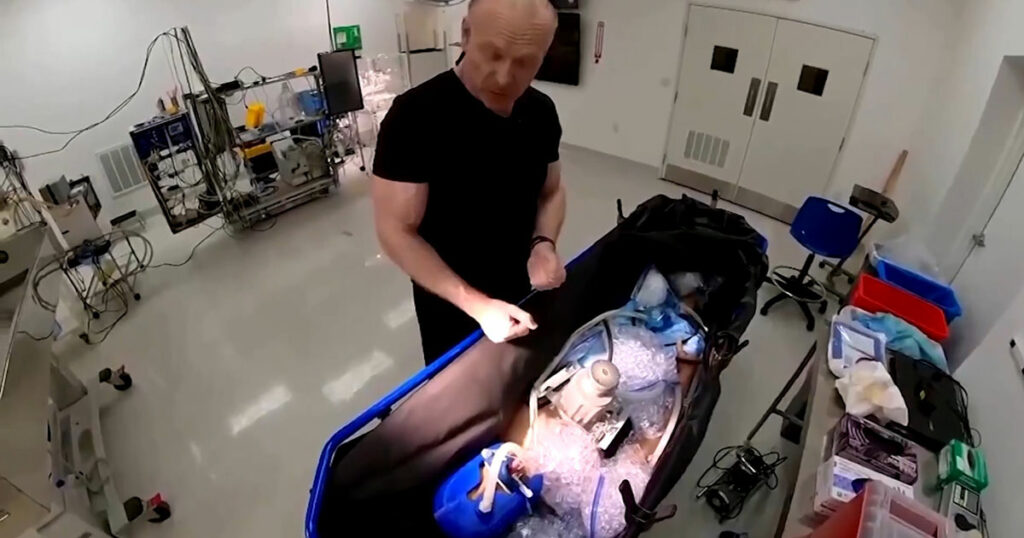
The ultra-wealthy are investing in cryogenic freezing, preserving their bodies at ultra-low temperatures with the hope that future science will bring them back to life. Around 500 people have already been cryogenically preserved and another 5,500 people are making plans to do so. But what is it? How does it work?
What is Cryogenic Freezing
According to the BBC, the foundation of cryogenics was laid by French biologist Jean Rostand in the 1940s. However, the concept of cryogenic freezing as a path to potential immortality was first proposed by Robert Ettinger in his 1962 book, The Prospect of Immortality. Ettinger, a physics teacher and war veteran, drew inspiration from Rostand’s work and the imaginative worlds of science fiction.
In 1967, James Hiram Bedford, a former psychology professor at the University of California-Berkeley, became the first person to undergo cryonic preservation. Bedford, who passed away from renal cancer in January 1967, remains frozen in time, waiting for science to catch up with humanity’s oldest dream: defeating death.
The term cryonics originates from the Greek word krýos, meaning “icy cold.” Cryonics is the process of preserving human bodies at extremely low temperatures with the hope of reviving them in the future. The concept hinges on the belief that if someone dies from an incurable disease today, they could be “frozen” and later revived when medical advancements offer a cure. This state of preservation is referred to as cryonic suspension.
To grasp the science behind cryonics, consider real-life stories of people who have fallen into icy lakes and remained submerged for nearly an hour before being rescued. In some cases, these individuals survived because the frigid water significantly slowed their metabolism and brain activity, placing their bodies into a form of suspended animation where oxygen demand was drastically reduced.
However, cryonics differs from such accidental preservation in significant ways. For one, it is illegal to perform cryonic suspension on living individuals. A person must first be declared legally dead—meaning their heart has stopped beating—before the process can begin. But if they’re dead, how can they ever be revived?
Scientists in the field argue that “legally dead” is not synonymous with “irreversibly dead.” Legal death refers to the cessation of heartbeat and circulation, while total death occurs only when all brain activity has permanently ceased. Cryonics aims to preserve the remaining cellular brain functions at the moment of legal death, theoretically allowing the individual to be resuscitated when science and technology have advanced enough to repair the damage caused by death and the freezing process.
The Story of James Bedford
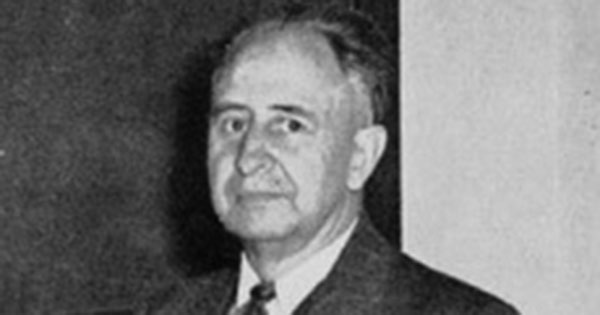
Born in 1893 in Pittsfield, Massachusetts, James Hiram Bedford faced death early in life. At just four years old, he battled diphtheria for weeks—a fight he narrowly survived. This early brush with mortality seemed to ignite a spirit of resilience and adventure that would define his life.
As a young man, Bedford moved to California, where he attended UC Berkeley and earned a master’s degree in education while teaching high school in Escalon, a small town in the San Joaquin Valley. His passion lay in vocational training and career development, and he authored several books on the subject. In a 1938 interview with the Los Angeles Times, Bedford remarked, “Many young people face the future with feelings of doubt, cynicism, and despair.” His mission was to provide guidance and hope.
But Bedford’s life wasn’t confined to classrooms and textbooks. An avid explorer, he traveled extensively—embarking on safaris in Africa, trekking through the rainforests of South America, and flying across Europe. His thirst for adventure was insatiable, and it seemed he wasn’t ready for it to end when, in his 70s, he was diagnosed with cancer.
Faced with his own mortality once again, Bedford began investigating a radical and unproven concept: human cryonics. He eventually connected with Robert Nelson, the President of the Cryonics Society of California—described in some reports as a TV repairman. Nelson assured Bedford that his organization could offer him the chance to extend his life through cryogenic preservation.
And so, James Hiram Bedford embarked on one final adventure—one that would cement his name in history as the first human to be cryogenically frozen, awaiting the day science might awaken him once more.
Bedford’s Cryogenic Adventure Begins
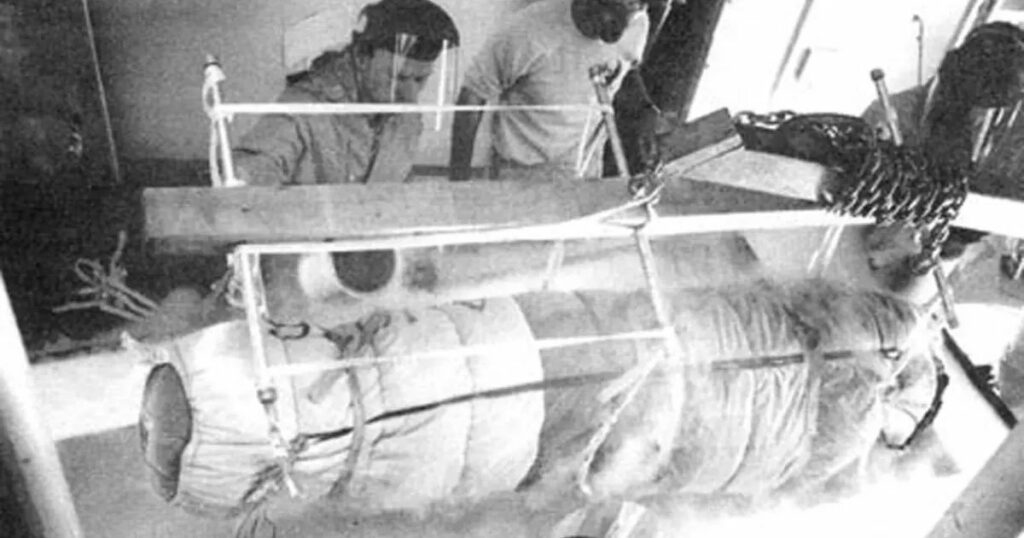
James Bedford was drawing his final breaths when doctors arrived at 2060 Eleanore Drive in Glendale, California.
At 73, Bedford was battling terminal cancer. He had been moved from the hospital to a neighbor’s home for hospice care. Around noon on January 12, 1967, alerted by nurses that Bedford’s time was near, Dr. B. Renault Able arrived at his bedside. In a faint voice, Bedford murmured, “I’m feeling better,” and then, at 1:15 p.m., he quietly passed away.
Well, sort of.
Today, James Bedford’s body remains suspended in time at a facility in Arizona, preserved in a metal cryogenic chamber for over 55 years. As the first person in history to undergo cryogenic freezing, Bedford occupies a unique and controversial place in science and human history—a story marked by strange twists, scientific ambition, and a blend of inspiring hope and skeptical doubt.