Whether or not Thiel ever emerges from his cryogenic slumber, his choice adds weight to the broader conversation about humanity’s relationship with mortality. It raises questions about the role of science, the power of technology, and the limits of human ambition.
In the end, Thiel’s stance on death is not about resignation—it’s about rebellion. And in that rebellion lies a profound, if unsettling, challenge to the rest of us: Are we really trying hard enough to defeat death, or have we already accepted the end?
For Peter Thiel, the answer is clear: We haven’t tried hard enough. And it’s time we started.
Who Wants to Be Cryopreserved? Celebrities and Futurists Betting on a Second Chance at Life
Cryonics—the practice of preserving a person’s body (or brain) at extremely low temperatures after death in hopes of future revival—has long occupied a space between science fiction and speculative science. Yet, despite the uncertainty surrounding the technology, several high-profile figures have publicly expressed their interest in being cryopreserved. From tech pioneers to Hollywood celebrities, these individuals are placing their hopes—and their fortunes—on the promise of future science.
Seth MacFarlane: A Comedic Vision for the Future
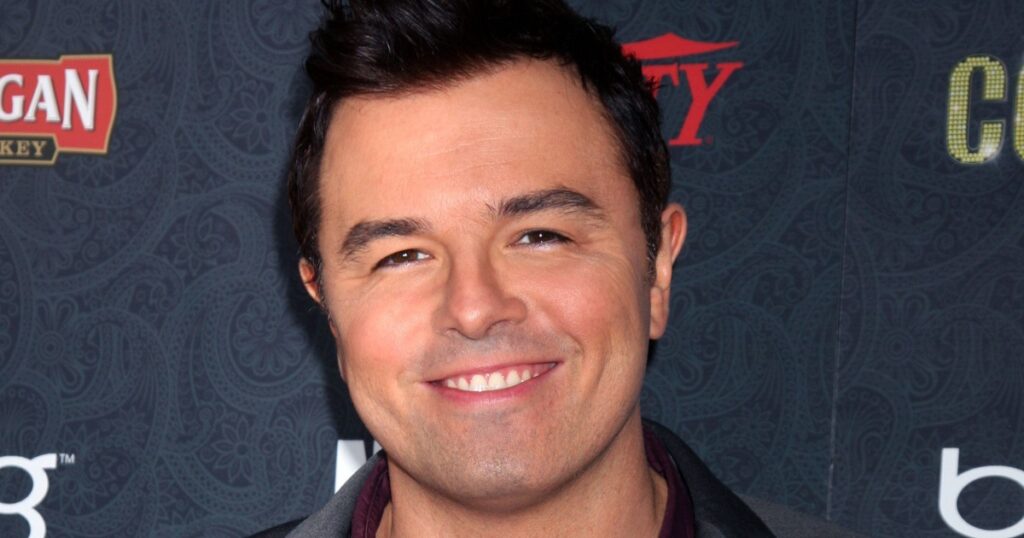
Seth MacFarlane, the creative mind behind Family Guy, American Dad!, and the hit film Ted, is well-known for his sharp wit and boundary-pushing humor. But behind the laughter lies a genuine curiosity about the future—and an interest in extending his own timeline.
In a 2012 interview with legendary broadcaster Larry King, MacFarlane revealed that he shares King’s interest in cryonics. Both men expressed a desire to be preserved after death, holding onto the hope that scientific advancements might one day make revival possible. For MacFarlane, cryonics seems less about escapism and more about embracing humanity’s relentless drive for discovery—and seeing where it might lead.
Paris Hilton: Immortality for Herself and Her Pets

Socialite, entrepreneur, and pop culture icon Paris Hilton made headlines in 2007 when she revealed her interest in cryonics. Known for her glamorous lifestyle and business acumen, Hilton expressed her belief that cryonics could give her the chance to make an enduring mark on the world.
At the time, Hilton allegedly invested in the Cryonics Institute, one of the leading cryonics facilities in the United States. But her plans didn’t stop with herself—she also signed up her beloved pets, Chihuahua Tinkerbell and Yorkshire Terrier Cinderella, for cryonic preservation.
For Hilton, the appeal of cryonics seems to stem not just from the chance of a longer life, but also from the ability to share it with those she loves, furry companions included.
Steve Aoki: Music, Science, and the Quest for Immortality
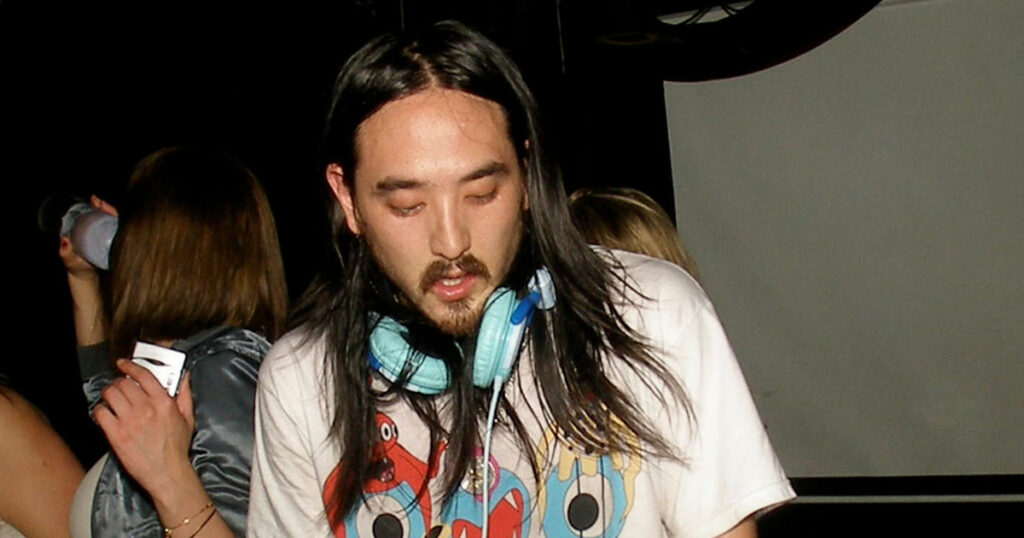
World-renowned electronic dance music (EDM) DJ and producer Steve Aoki isn’t just passionate about beats and bass drops—he’s also deeply invested in humanity’s future. Aoki founded the Aoki Foundation, a nonprofit organization focused on brain health, longevity, and advancements in anti-aging technologies.
Through his foundation, Aoki has actively funded research in cryonics and brain preservation, demonstrating a strong commitment to extending human life. He’s also spoken openly about his desire to be cryopreserved after death, along with his family members.
For Aoki, cryonics represents more than just a personal backup plan—it’s a meaningful contribution to the larger scientific pursuit of life extension and age reversal.
Ray Kurzweil: The Futurist Betting on Technology
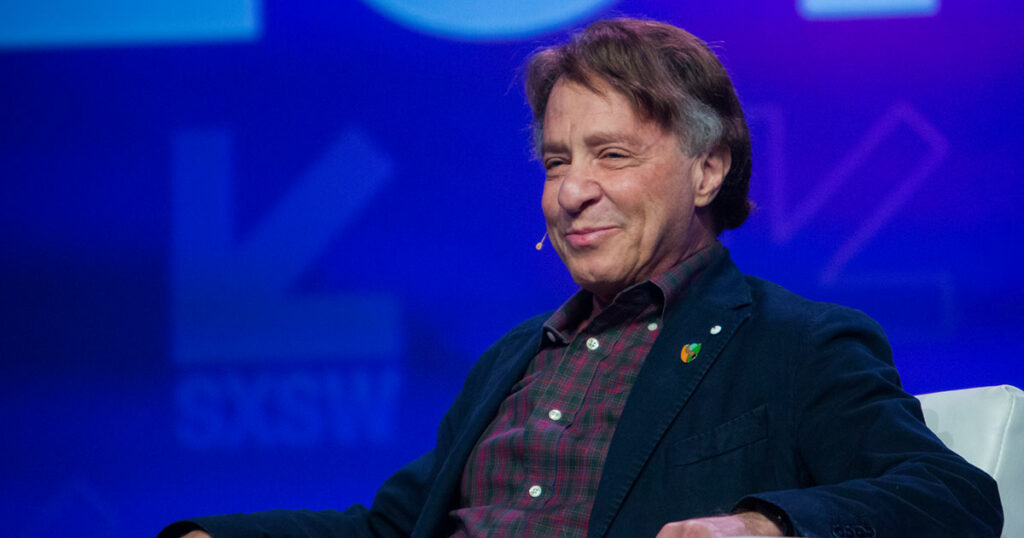
Ray Kurzweil, a leading inventor, futurist, and author, is no stranger to bold predictions about humanity’s technological future. Known for his influential books like The Singularity Is Near, Kurzweil has long argued that exponential advancements in technology—particularly in artificial intelligence (AI)—will fundamentally reshape human life.
Kurzweil has been a vocal supporter of cryonics for years and has officially signed up for preservation with Alcor Life Extension Foundation, one of the world’s most prominent cryonics organizations.
For Kurzweil, cryonics isn’t just a speculative gamble—it’s a bridge to a future where technology might unlock solutions to problems we can’t yet comprehend. He envisions a world where AI, nanotechnology, and medical science could potentially reverse death and restore life to those preserved through cryonics.
Ralph Merkle: Bridging Cryptography and Cryonics
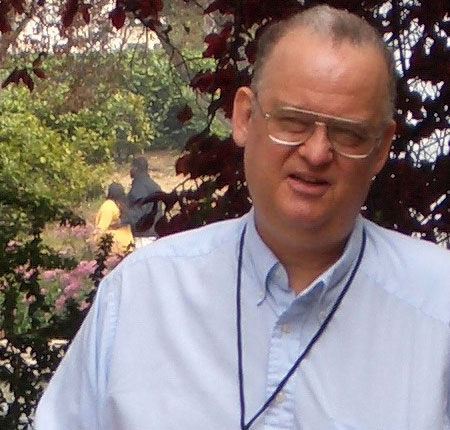
Ralph Merkle, a pioneer in the field of computer science and cryptography, is another prominent advocate for cryonics. Known for developing Merkle’s Puzzles and contributing significantly to cryptographic hashing, Merkle has applied his logical, problem-solving mindset to the question of life extension.
Today, Merkle serves on the Alcor Board of Directors and its Scientific Advisory Board, playing an active role in advancing the organization’s mission. He has also signed up to be cryonically preserved himself, believing that technological advancements will one day make revival feasible.
Merkle’s approach to cryonics is both scientific and philosophical. He sees it as a rational response to a deeply emotional problem: the finality of death. For him, cryonics is not just about preserving life—it’s about preserving potential.