The idea behind Williams’ preservation is simple yet profoundly speculative: if scientists of the future can cure diseases and reverse the effects of aging or damage caused by death, individuals preserved in cryonic suspension could theoretically be revived and restored to full health.
However, Ted Williams’ cryogenic journey wasn’t without drama. After his death, a bitter family feud erupted over his final wishes, thrusting the baseball legend into an unexpected posthumous spotlight.
A Family Divided: The Custody Battle Over Ted Williams’ Body
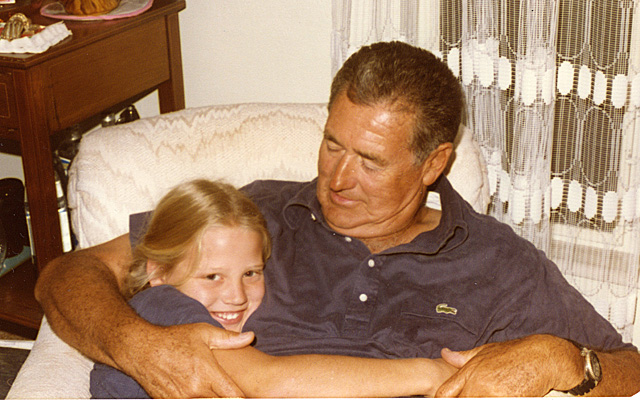
Almost immediately after Williams’ death, his daughter, Bobby-Jo Williams Ferrell, contested his cryonic preservation. She believed that her father had wanted a more traditional farewell. According to Bobby-Jo, Williams’ wish was to be cremated and have his ashes scattered over the serene waters of the Florida Keys, a place he dearly loved.
But Bobby-Jo’s half-brother, John-Henry Williams, had different plans. Along with their sister, Claudia Williams, John-Henry claimed that in 2000, he, Claudia, and their father had signed a pact agreeing that all three of them would be cryogenically frozen after death. This alleged agreement became the foundation for John-Henry’s insistence that their father remain at the Alcor facility.
Bobby-Jo, however, was deeply skeptical of her half-brother’s motives. She publicly accused John-Henry of wanting to preserve their father’s body to exploit his DNA for financial gain—perhaps by cloning the baseball star or capitalizing on his genetic material in other ways. The accusations fueled a media firestorm, turning an already strange story into a headline-grabbing saga.
The Settlement: A Fragile Resolution
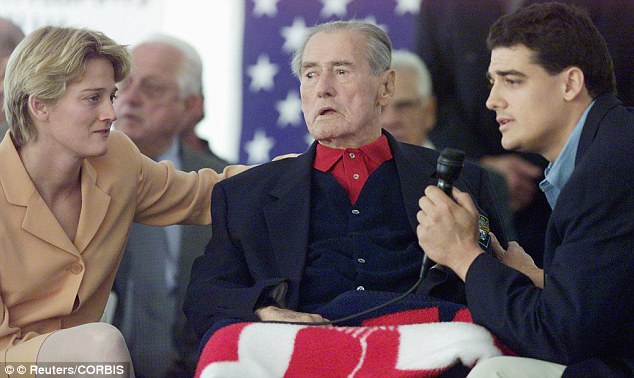
The dispute ultimately made its way into the courtroom, where the siblings fought bitterly over their father’s remains. Legal battles over cryonics are rare, and this case brought unprecedented public attention to the ethical and legal questions surrounding the field.
After much legal wrangling and mounting public scrutiny, the Williams siblings reached a settlement. Ted Williams would remain at Alcor, his body and head preserved as John-Henry had wished. However, John-Henry made one significant concession: he promised never to sell or exploit his father’s DNA.
For Bobby-Jo, it wasn’t the resolution she had hoped for, but it brought an end to the bitter feud. Ted Williams’ body stayed frozen in time, and the family slowly retreated from the public eye.
Cryonics: Science or Speculative Fantasy?

The strange case of Ted Williams raises profound questions about the nature of cryonics and the ethics surrounding it. Cryonics remains a field shrouded in controversy, with scientists divided over its plausibility. Supporters believe that advancements in nanotechnology, regenerative medicine, and artificial intelligence might one day make revival possible. Critics, however, argue that the cellular damage caused by freezing and the speculative nature of the science make revival extremely unlikely.
What is clear is that cryonics isn’t just about science—it’s also about hope, legacy, and the deeply human desire to conquer death. Ted Williams wasn’t the first person to undergo cryonic preservation, but he remains the most famous, and his case continues to serve as a focal point in debates about life, death, and what comes after.
The Legacy of Ted Williams—Frozen and Eternal
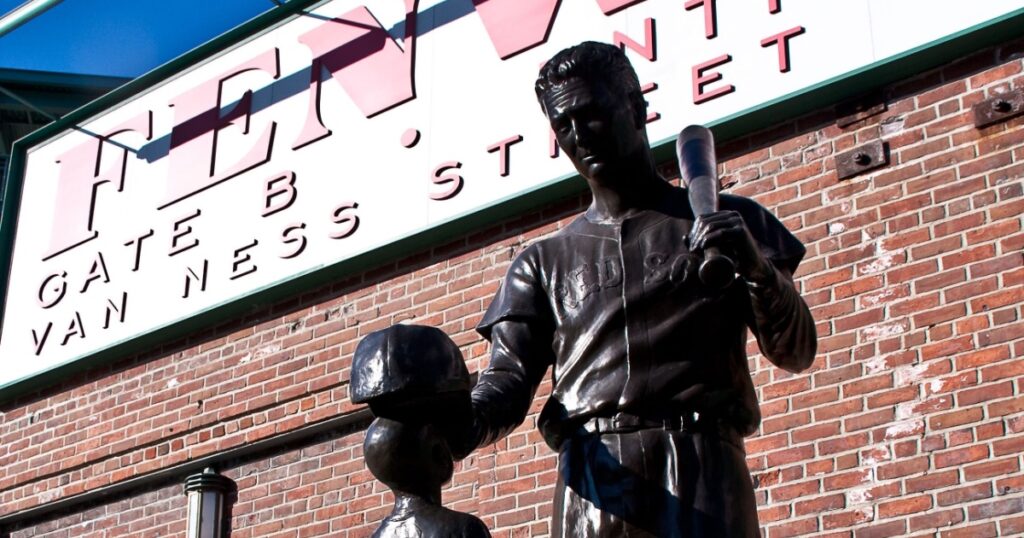
Ted Williams’ cryonic preservation has cemented his legacy in an unexpected way. For baseball fans, he will always be remembered as the last player to bat over .400 in a single season and as one of the greatest hitters to ever step up to the plate. But now, he’s also remembered as a symbol of humanity’s enduring—and sometimes desperate—quest for immortality.
His story blends science, family drama, and existential questions about what it means to die—and perhaps, one day, to live again.
Would Ted Williams have chosen this path if he had the chance to clarify his wishes? Did he genuinely want to be frozen in hopes of a scientific resurrection, or was his fate decided by the wishes of his children? These are questions that remain unanswered.
The Future Awaits
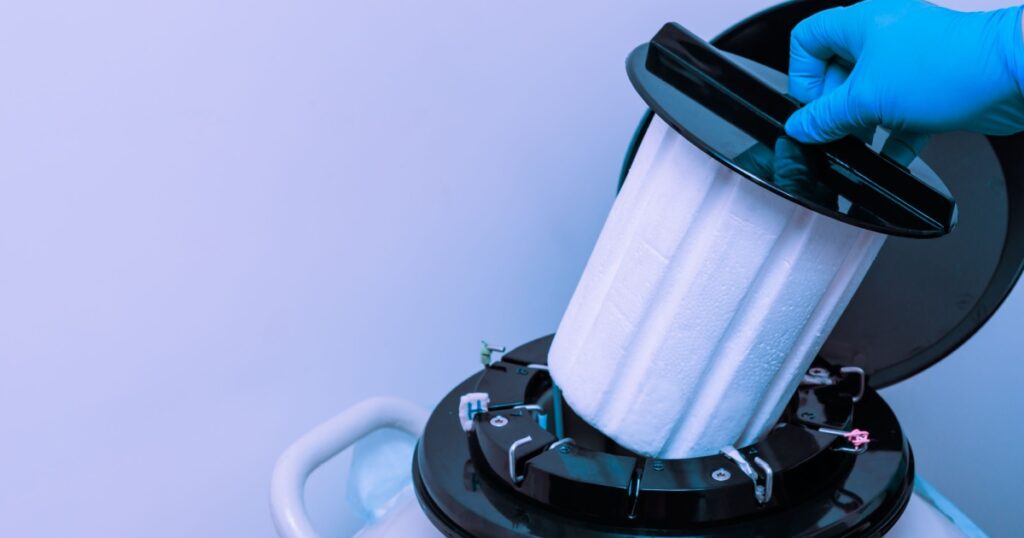
For now, Ted Williams remains suspended in liquid nitrogen, his body preserved in a technological limbo. Whether he will ever emerge from his icy tomb is uncertain. Scientists may one day find a way to reverse death and cellular damage—or they may not.
But one thing is certain: Ted Williams’ story will continue to capture imaginations, not just because of his achievements on the baseball field, but because of the strange and futuristic journey he embarked on after death.
In life, Ted Williams was a trailblazer on the diamond. In death, he’s become something else entirely: a symbol of humanity’s unrelenting hope that science might one day conquer the finality of the grave.
Until then, the Splendid Splinter remains frozen in time—an eternal legend, waiting for a second chance at life.
Peter Thiel and the Fight Against Death: Technology, Ideology, and Cryonics

Peter Thiel, the billionaire tech investor and co-founder of PayPal, is well-known for his bold views on innovation, technology, and humanity’s future. For years, he has voiced frustration with what he perceives as America’s stagnation in scientific and technological progress. From the decline of nuclear power to the painfully slow progress in curing cancer, Thiel has repeatedly argued that society has grown complacent in tackling the world’s most pressing challenges.