News 2026-03-09 10:30:05

Daily life in Tehran disrupted as residents face severe hardship during the conflict

Daily life in Tehran disrupted as residents face severe hardship during the conflict


Daily life in Tehran disrupted as residents face severe hardship during the conflict

Residents of Tehran are experiencing severe disruptions to daily life as the city continues to face intense pressure during the ongoing confrontation in the region. Witnesses describe scenes of widespread damage, anxiety among civilians, and growing shortages of essential services, giving many people the feeling that their city has entered one of the most difficult moments in recent decades.

Scenes of destruction across the capital
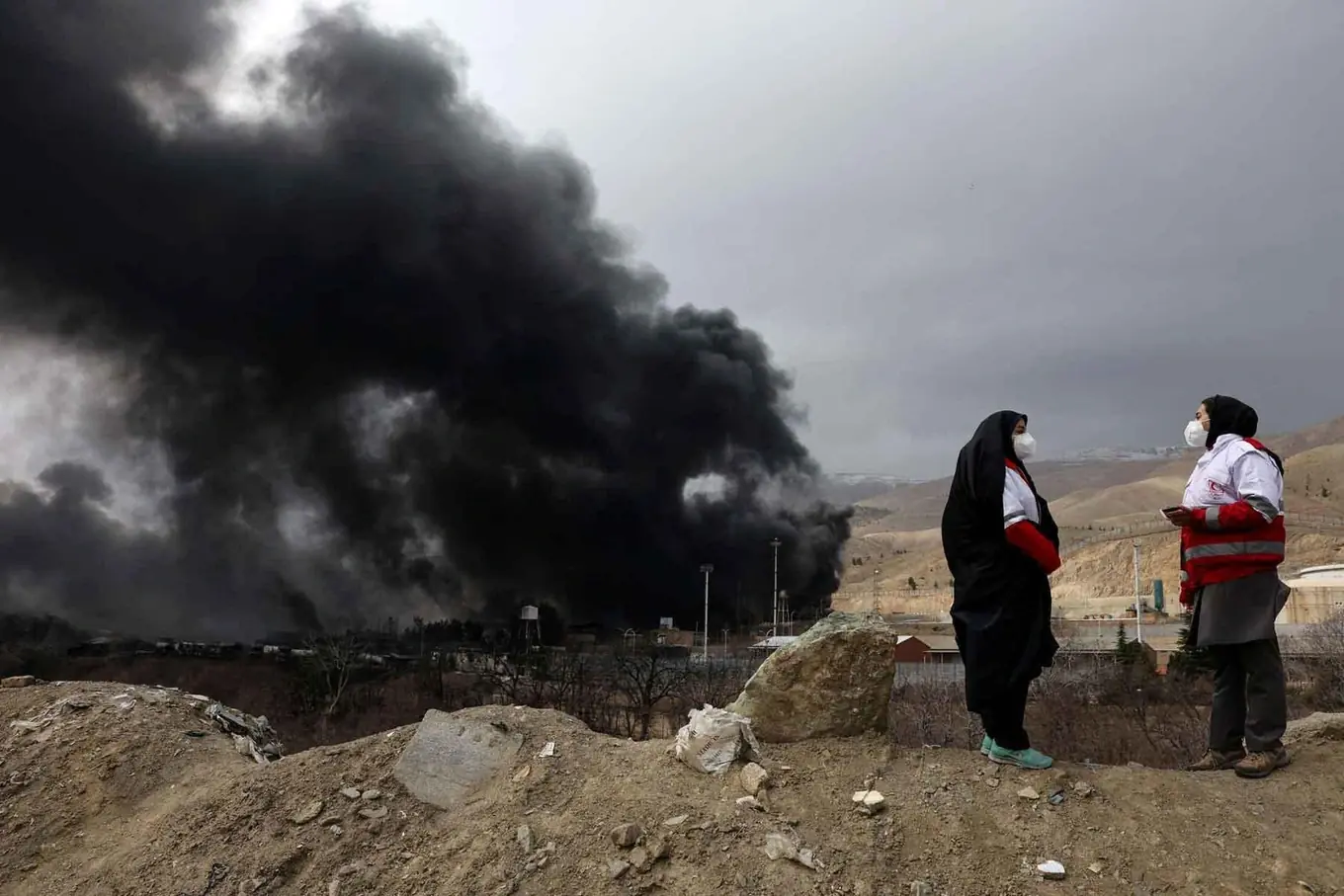
Large parts of Tehran have been heavily affected by repeated air operations targeting strategic facilities in and around the city. Videos and images shared by international media show destroyed buildings, damaged roads, and thick smoke rising above several districts of the capital.

Residents say explosions and air-raid sirens have become common sounds throughout the day and night. In some neighborhoods, windows have been shattered and residential structures partially damaged by nearby blasts.

For many civilians, the sudden escalation has created an atmosphere of fear and uncertainty, as people attempt to understand which areas might be affected next.

Hospitals under pressure
Medical facilities in Tehran have also been placed under significant strain. Hospitals are treating large numbers of injured civilians while also dealing with shortages of supplies and limited electricity in some areas.

Doctors and emergency workers have reportedly been working continuously for many hours, trying to stabilize patients and manage the growing number of casualties arriving from affected neighborhoods.

At the same time, damaged infrastructure has made it more difficult to transport the injured. Traffic congestion and blocked roads have slowed ambulances traveling across the city.

Residents seek shelter and safety
Many families in Tehran have begun spending long hours in underground parking areas, basements, or other locations considered safer during air raids. Some residents have temporarily left the capital to stay with relatives in smaller towns outside the city.

Others remain because they have no practical way to leave or because their jobs require them to stay.

Local residents describe an atmosphere where daily routines—work, school, and shopping—have been replaced by efforts to secure food, water, and basic necessities.

Power outages and shortages
The damage to infrastructure has caused intermittent electricity outages in several districts of Tehran. In some areas, telecommunications services have also been disrupted, making it difficult for people to contact relatives or obtain reliable information.

Food stores and gas stations have seen long lines as residents attempt to stock up on essential supplies. Some supermarkets have limited the number of items customers can buy in order to prevent panic buying.

These disruptions have added to the psychological stress faced by many families in the city.

Psychological toll on civilians
Beyond the physical destruction, the conflict is having a profound psychological impact on Tehran’s population. Many residents describe feeling exhausted and emotionally overwhelmed after days of uncertainty and continuous alerts.

Parents are trying to reassure children frightened by loud explosions, while older residents say the situation reminds them of difficult periods in the country’s past.

Some witnesses have described the atmosphere in parts of the capital as feeling “like the end of the world,” reflecting the shock and fear experienced by civilians caught in the middle of the crisis.

Uncertain outlook for the capital
Analysts say Tehran’s situation will depend largely on how the broader conflict develops in the coming weeks. If operations continue at the current intensity, the humanitarian impact on the city could increase significantly.

At the same time, international observers are calling for efforts to reduce escalation and protect civilians in densely populated urban areas.

For millions of residents in Tehran, the immediate concern remains much simpler: staying safe, caring for their families, and hoping that the situation will begin to stabilize in the near future.

News in the same category

News Post