
Thailand introduces work-from-home plan to reduce energy use
Thailand asks civil servants to work from home to support energy-saving efforts
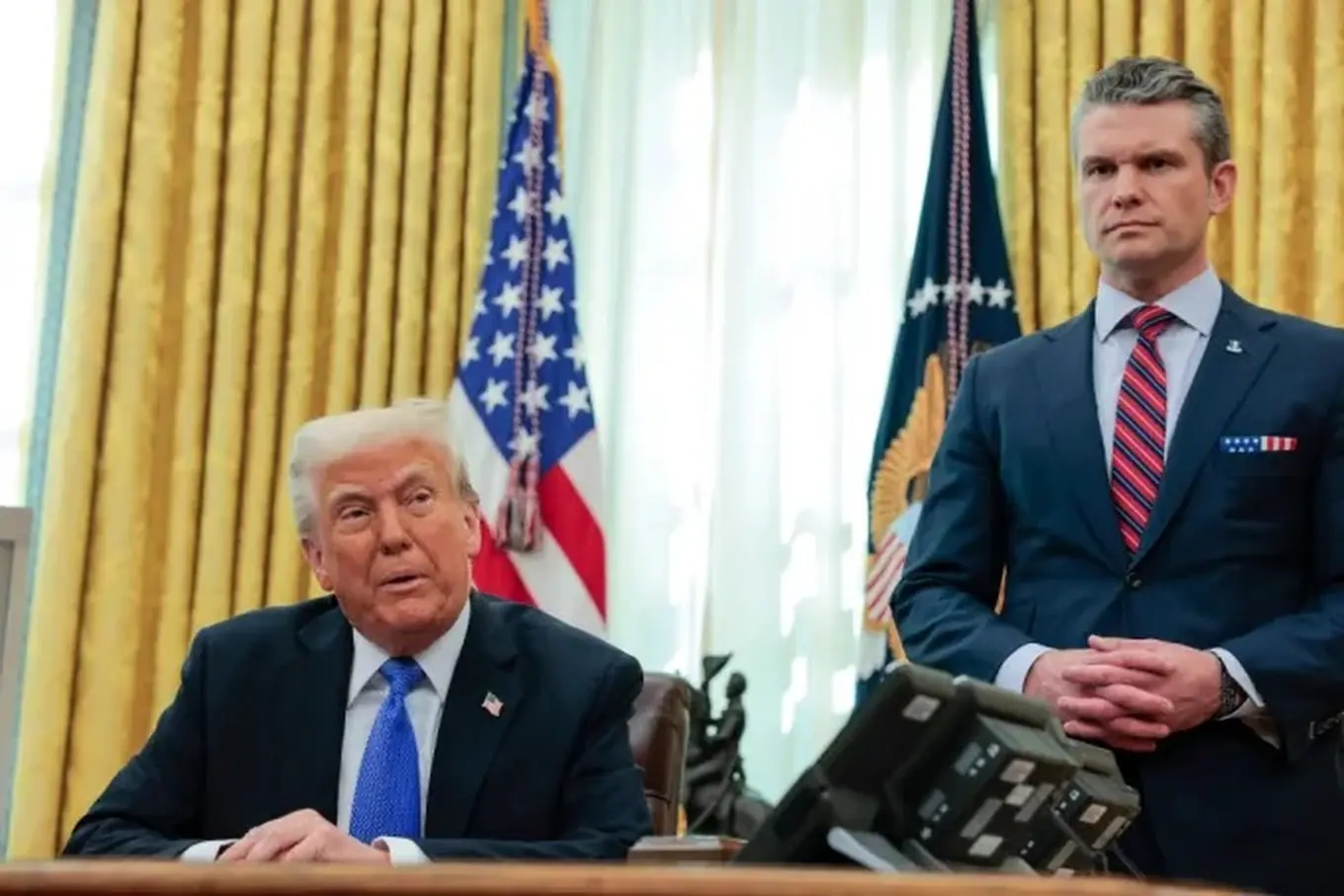
U.S. signals it may set surrender conditions for Iran as Tehran rejects the demand
The United States has indicated that it may present specific “surrender conditions” for Iran as the confrontation in the Middle East continues to escalate. While Washington says the objective is to force Tehran to the negotiating table under clear terms, Iranian officials have responded with firm statements that the country will continue resisting external pressure.
U.S. officials discuss possible surrender terms
U.S. Defense Secretary Pete Hegseth said President Donald Trump would ultimately determine the terms under which Iran could end the conflict. Speaking in an interview with CBS’s 60 Minutes, he explained that Washington’s strategy is focused on achieving a decisive outcome rather than negotiating a conventional agreement.
According to Hegseth, the idea of “surrender” does not necessarily require a formal declaration from Iran. Instead, it could mean a situation in which Tehran no longer has the ability to continue the conflict or maintain its military capacity.
He emphasized that the United States intends to set the conditions and determine when the objectives of the campaign have been achieved.
Trump’s earlier statement on “unconditional surrender”
The comments follow an earlier statement by President Donald Trump, who said there would be no agreement with Iran unless the country accepted “unconditional surrender.”
In a separate interview with Axios, Trump explained that this phrase could have multiple meanings. It might involve a formal declaration from Tehran, but it could also refer to a scenario where Iran simply no longer has the ability to continue fighting due to depleted resources or military capacity.
Trump also noted that the timing of ending the conflict would be a decision made jointly with Israeli leadership, although the final decision would ultimately rest with the U.S. president.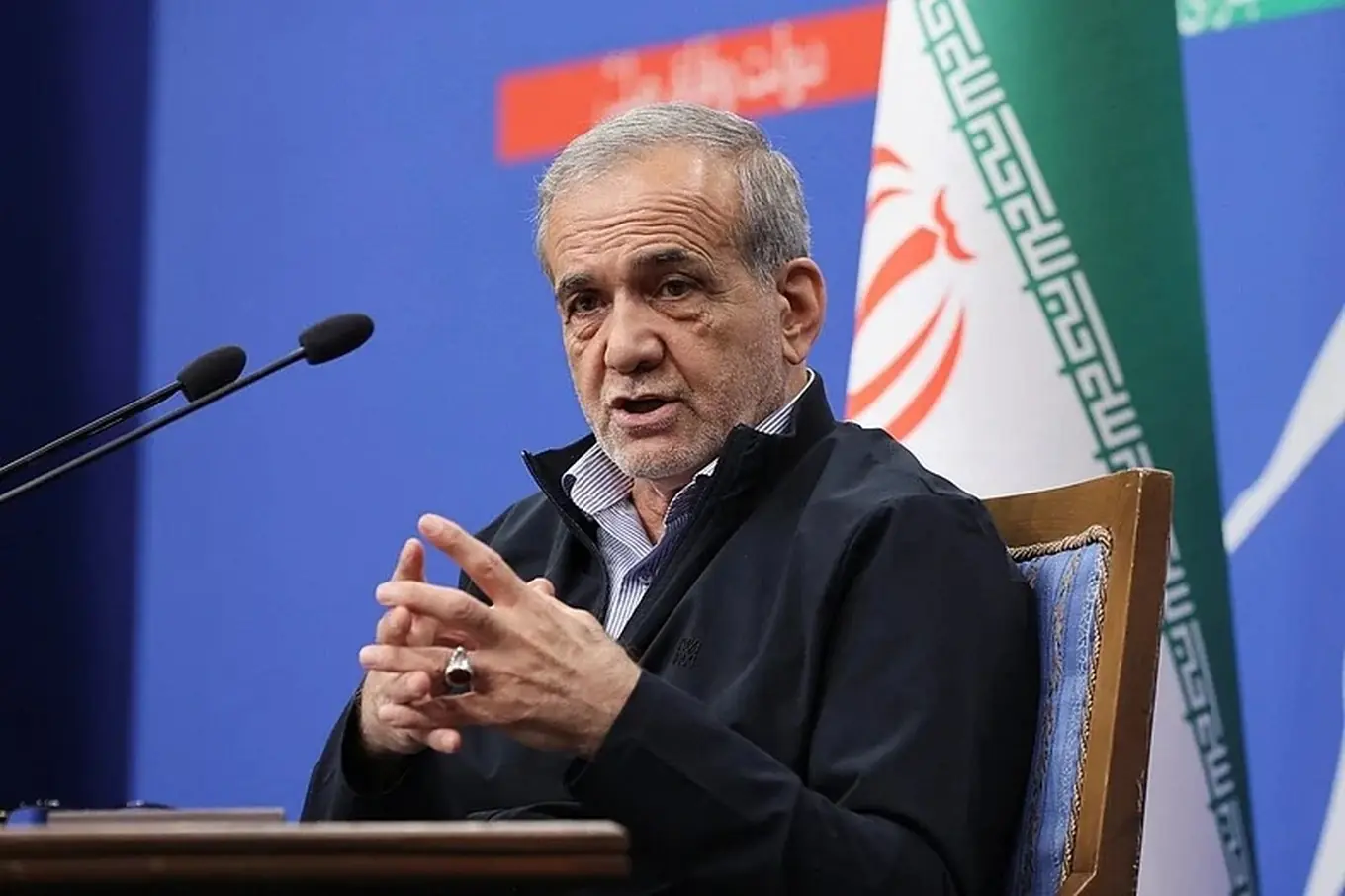
No details yet on specific conditions
Despite the strong rhetoric, U.S. officials have not publicly outlined what specific conditions Iran would need to meet. Hegseth declined to provide details about the potential terms, stating only that the president would determine them at the appropriate time.
Analysts say the lack of clear conditions may reflect the fluid nature of the conflict. Political leaders often avoid announcing precise demands until they have greater leverage or until negotiations become possible.
The broader strategy appears to involve maintaining pressure through ongoing military operations in cooperation with Israel.
Iran rejects the demand and signals continued resistance
Iranian officials have responded with strong language rejecting the idea of surrender. A senior Iranian figure told media outlets that the conflict is entering a new phase and suggested that Tehran will decide when it ends.
Mohammad Baqer Qalibaf, speaker of Iran’s parliament, said the Iranian people would not accept surrender and would continue to fight. He stated that the country would resist external pressure and defend its sovereignty.
Iran has previously indicated that it is prepared for a prolonged confrontation and has warned that it will respond to further attacks by targeting U.S. interests and allies in the region.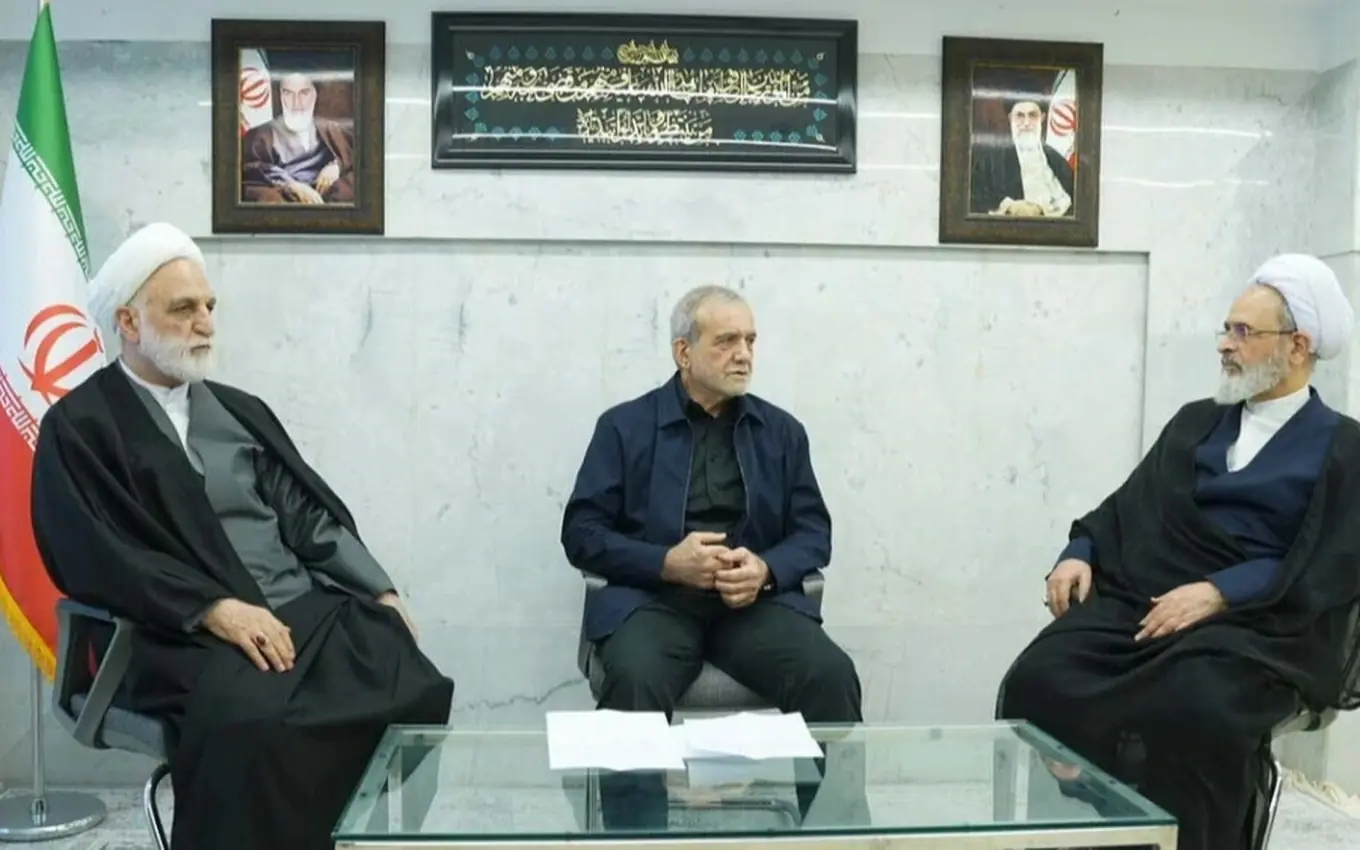
Conflict shows no sign of immediate resolution
The exchange of statements highlights how far apart the two sides remain politically. Washington has framed the conflict as a campaign that will continue until Iran accepts the conditions set by the United States.
Tehran, meanwhile, insists that it will continue resisting and rejects the idea that it could be forced into surrender.
With military operations still ongoing and both sides maintaining firm positions, analysts say the confrontation could continue for some time before any diplomatic breakthrough becomes possible.
Thailand asks civil servants to work from home to support energy-saving efforts
Russia says it is open to stable, long-term energy partnerships with Europe
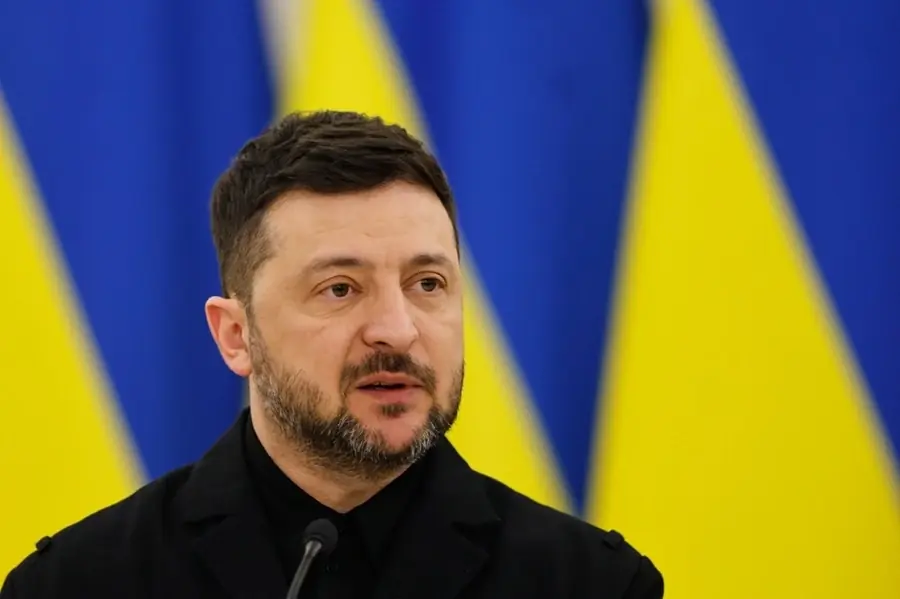
Why Ukraine talks are being delayed, according to Zelensky
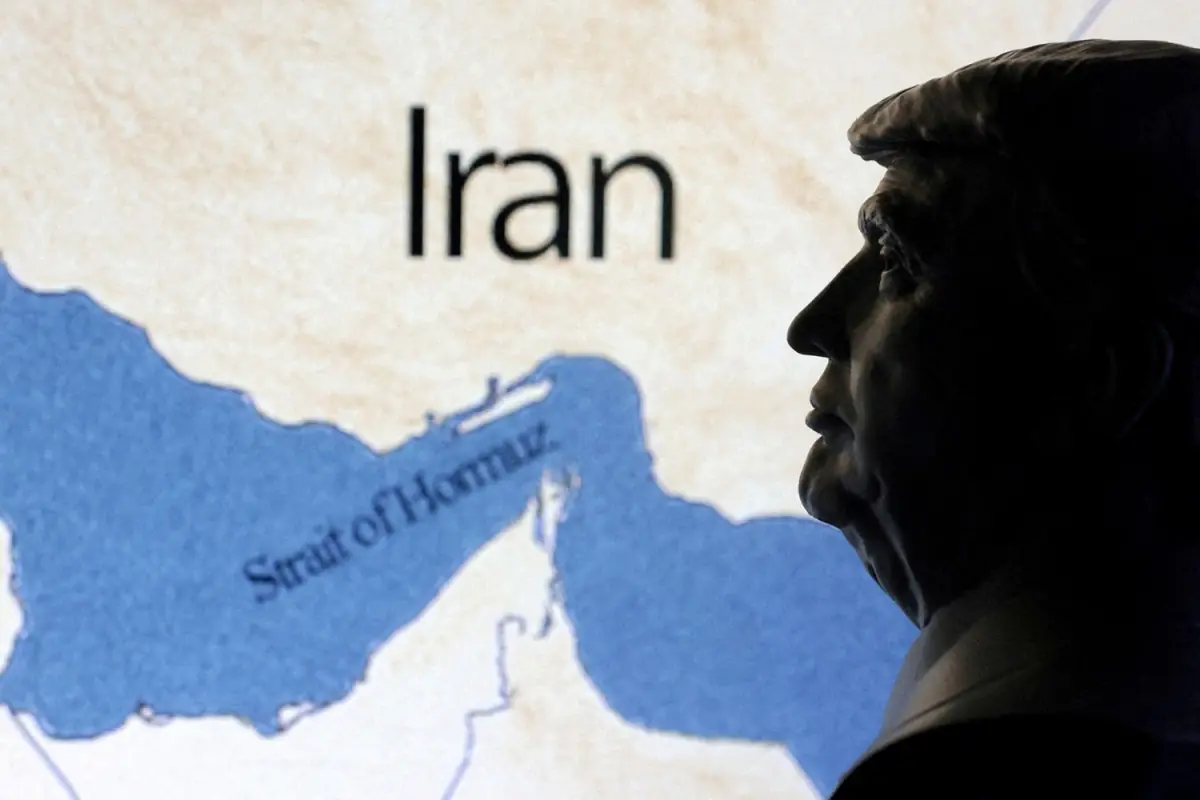
Iran Says It Is “Waiting” for U.S. Fleet in the Strait of Hormuz
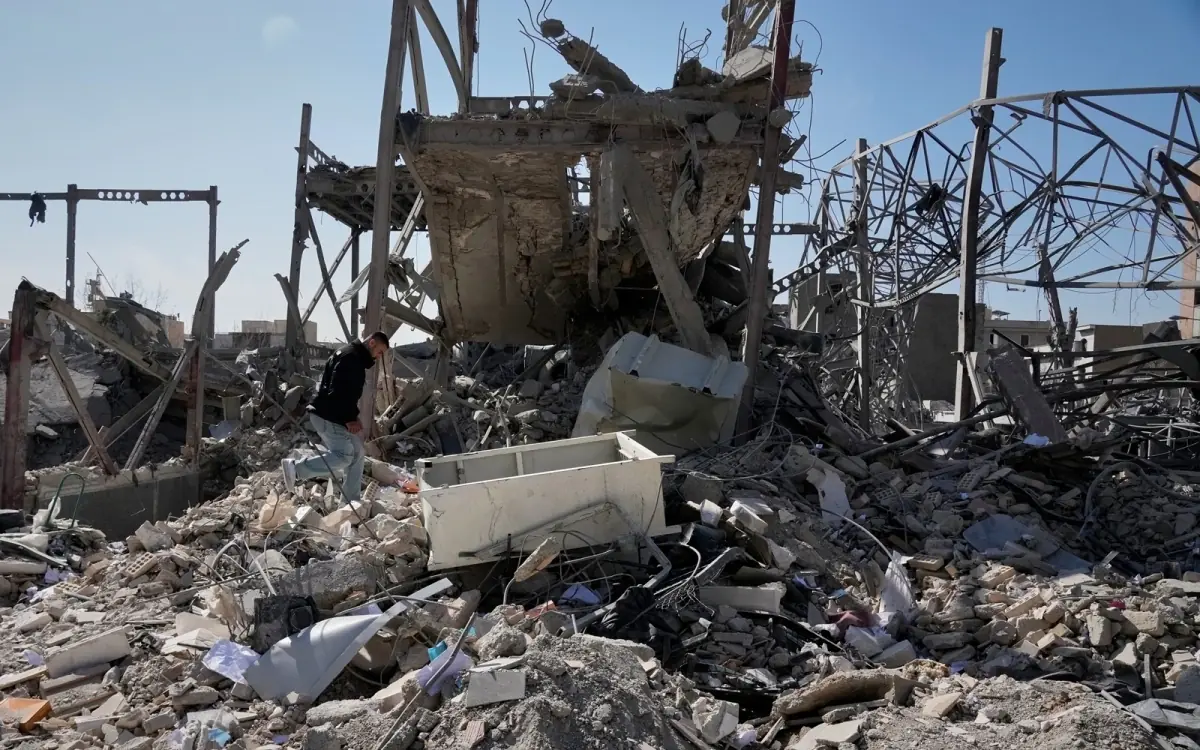
India Sets Key Principles on Middle East Crisis While Seeking Alternative Oil Sources
Key Takeaways from Trump’s Speech at the “Shield of the Americas” Summit

Kremlin Says Russia Remains Open to Direct Talks with the U.S.
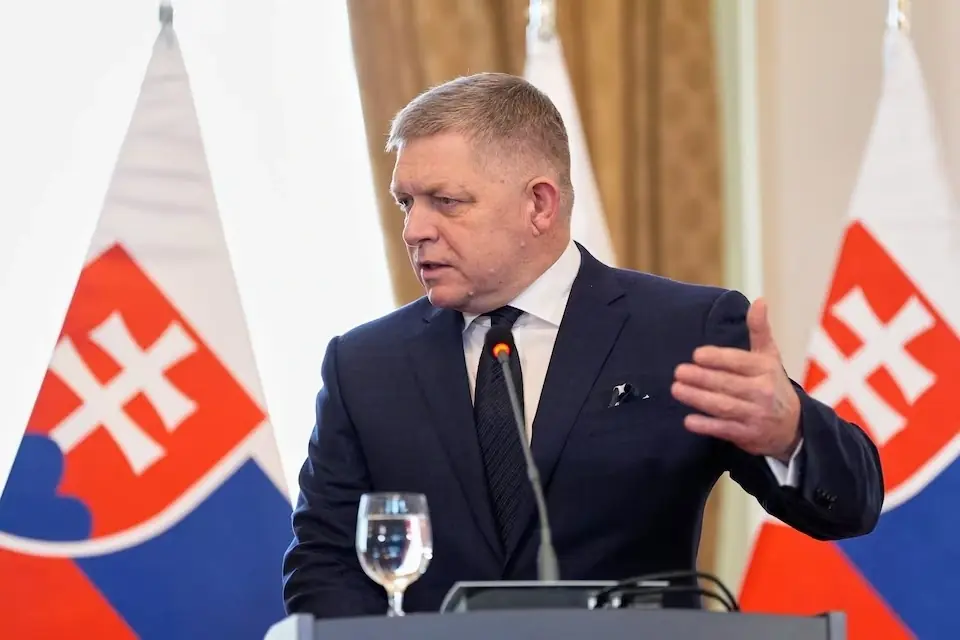
Slovakia Warns It May Block EU Loan to Ukraine Over Druzhba Pipeline Dispute
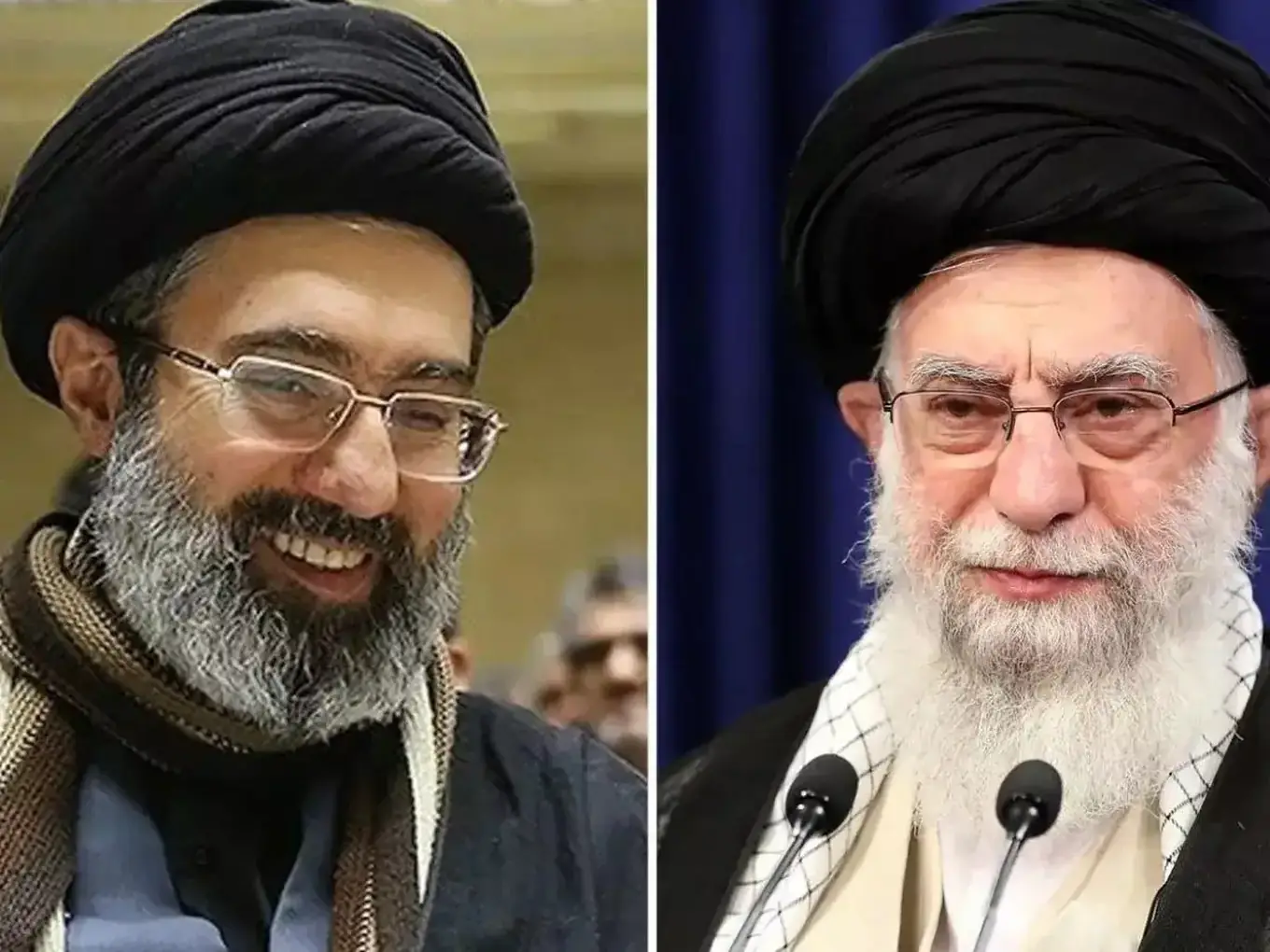
Iran signals determination after naming new supreme leader
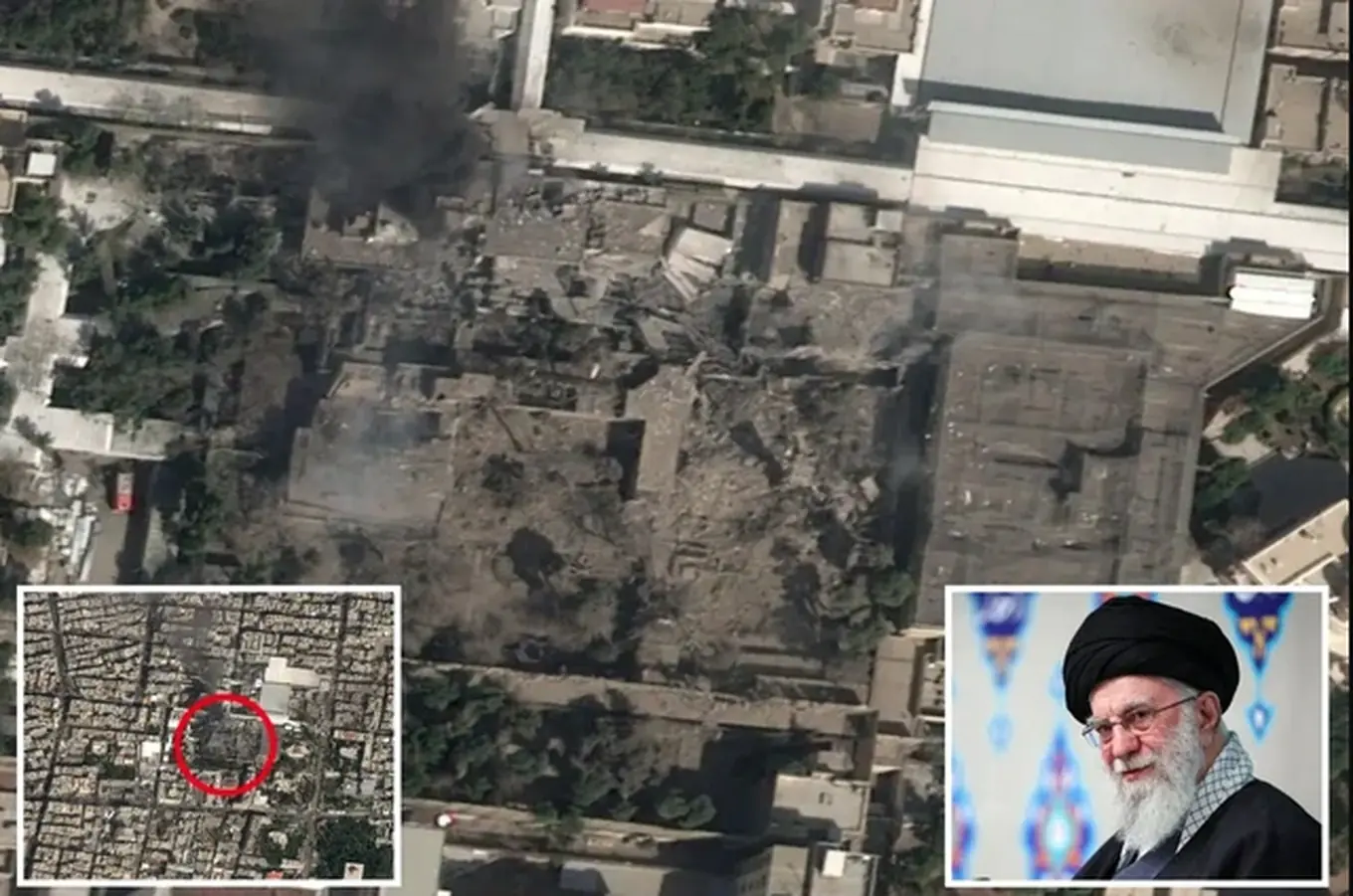
Iran says it has not used full strength, signals larger response
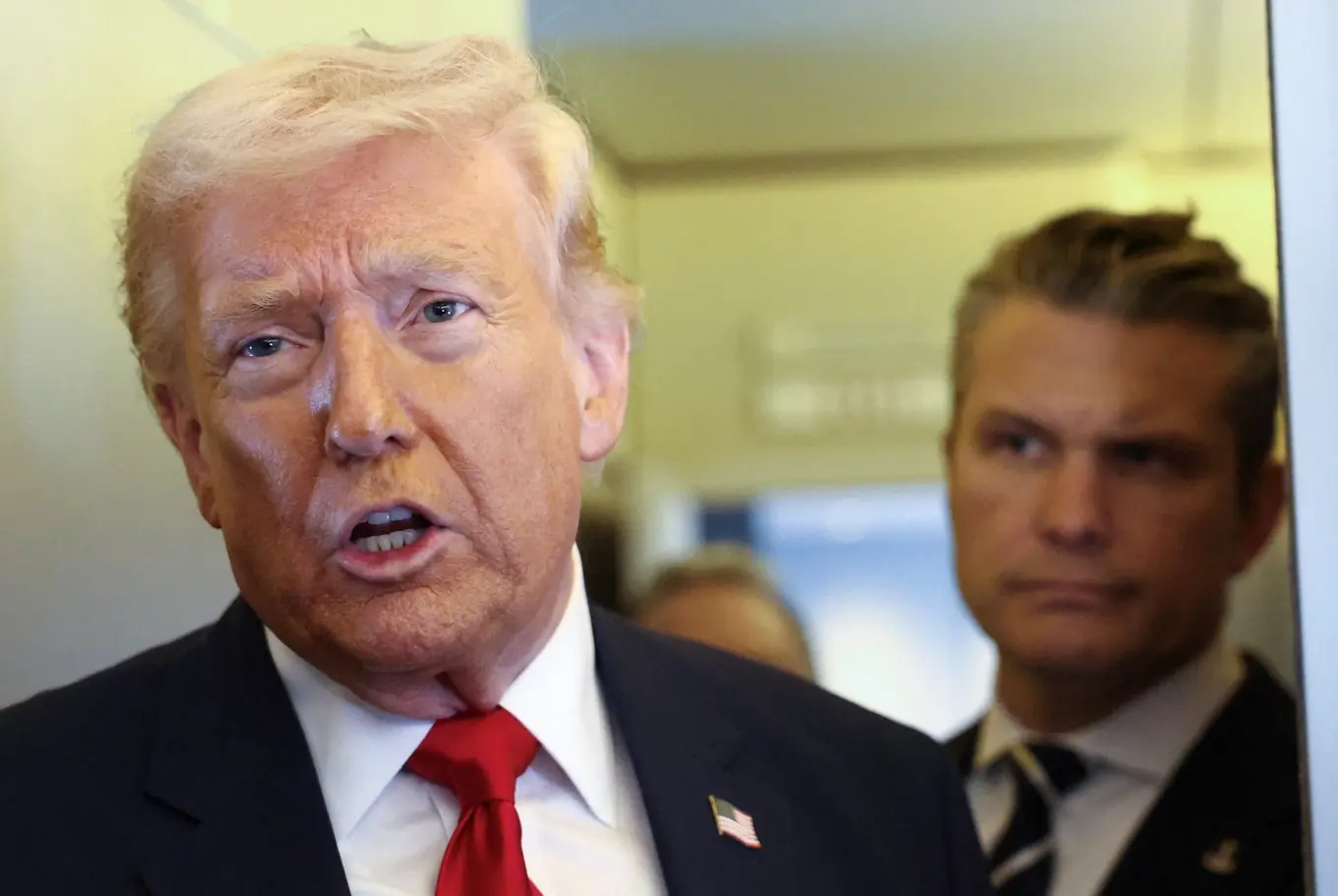
Limits of the U.S. air campaign against Iran become increasingly visible
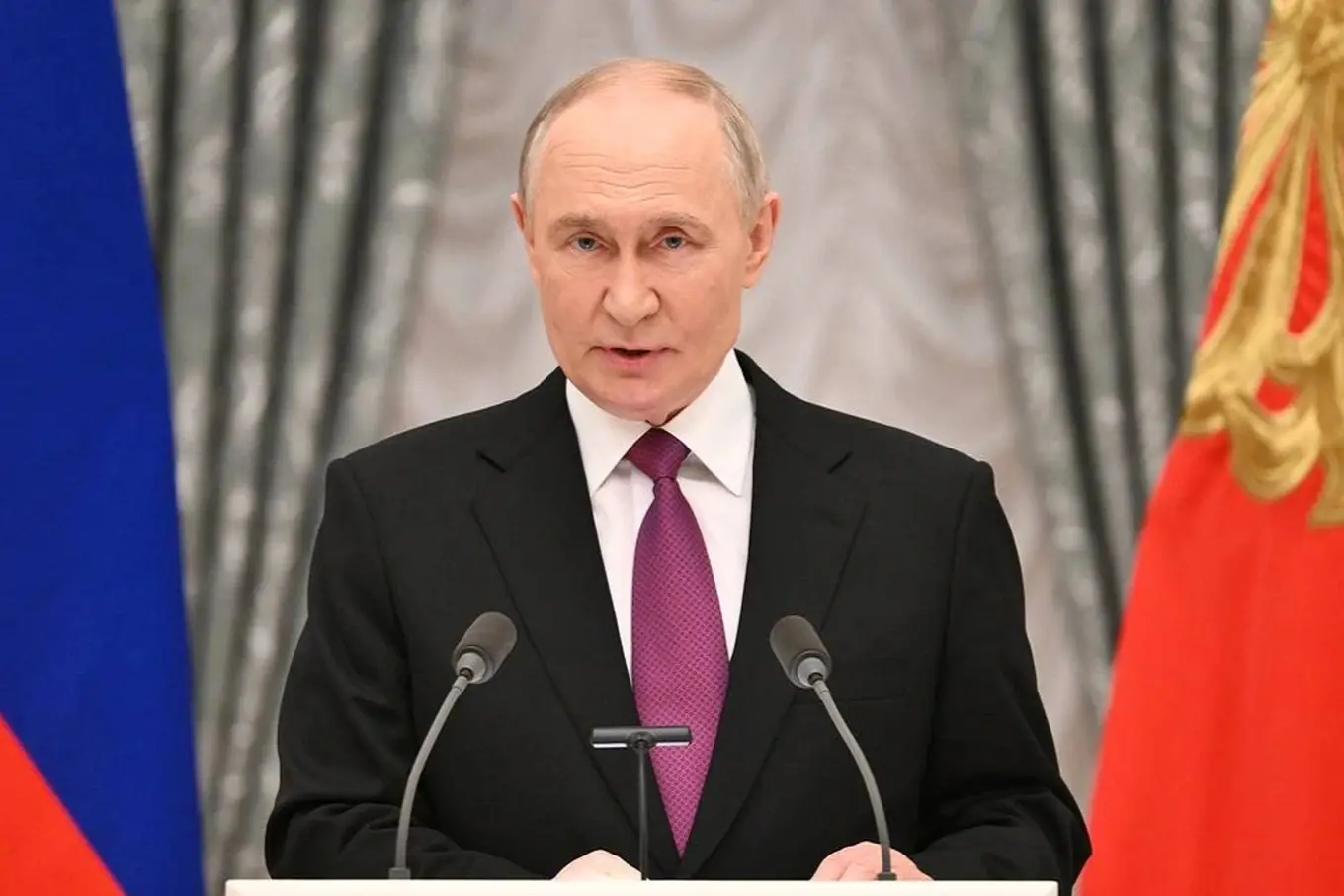
Putin says Russia will continue standing with Iran during regional tensions
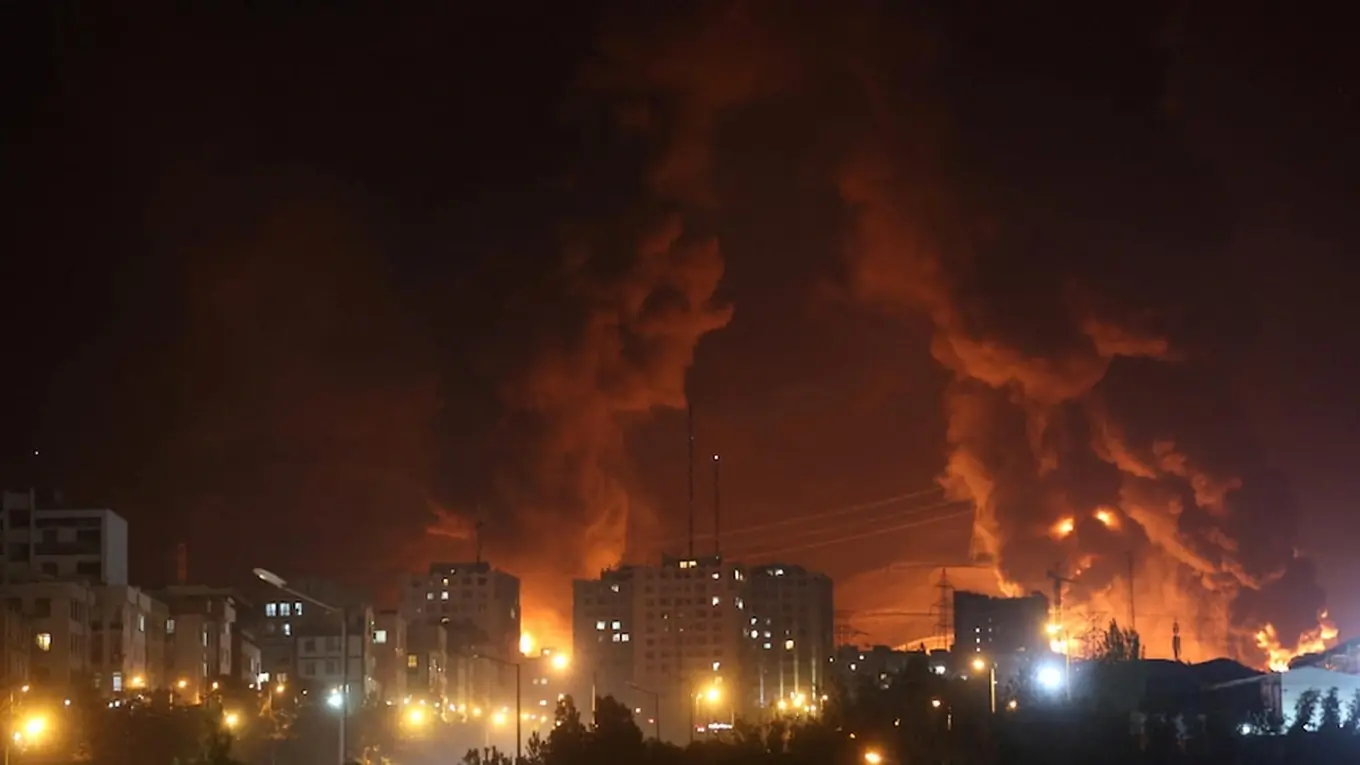
Overview of the Middle East conflict as missile exchanges intensify
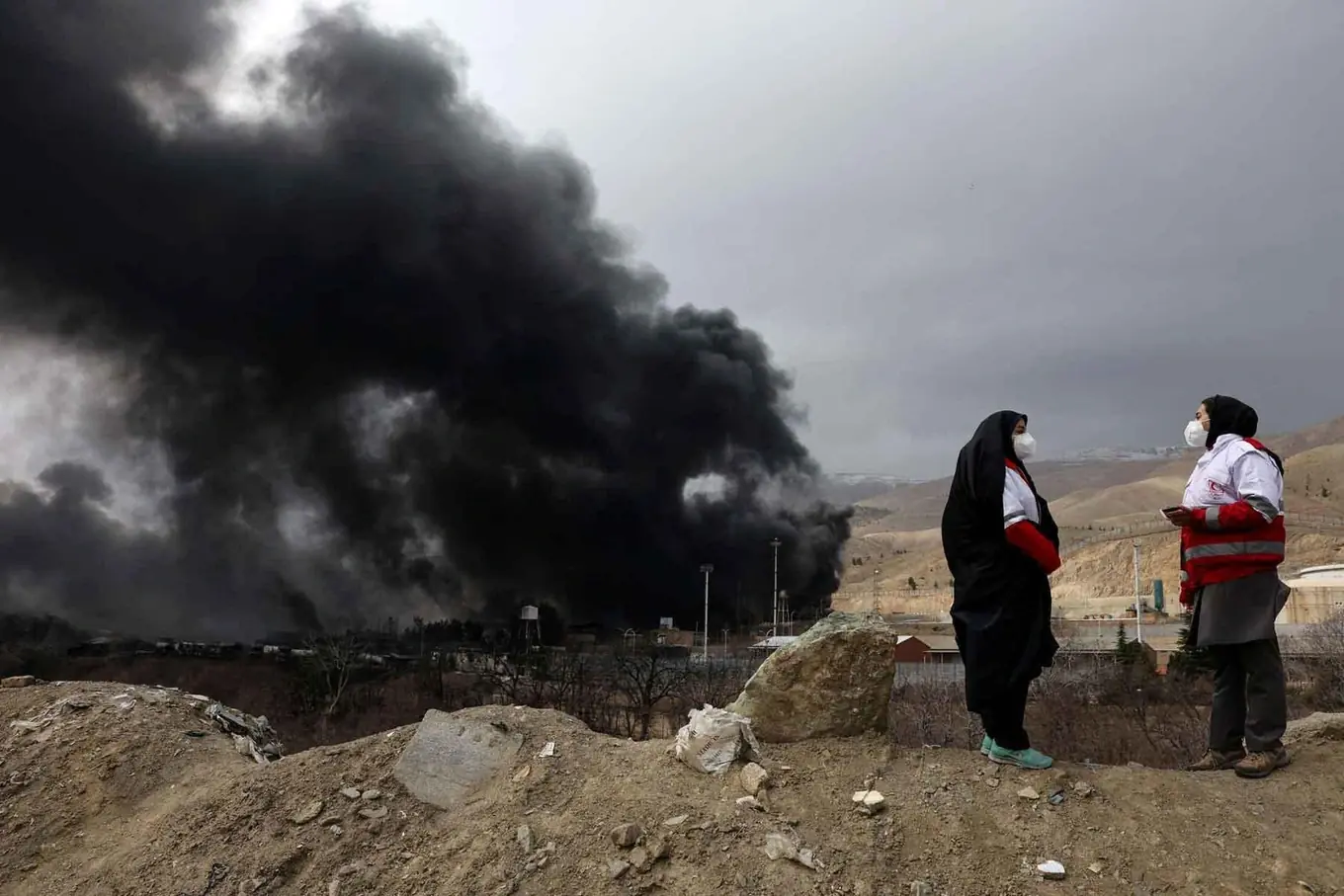
Daily life in Tehran disrupted as residents face severe hardship during the conflict
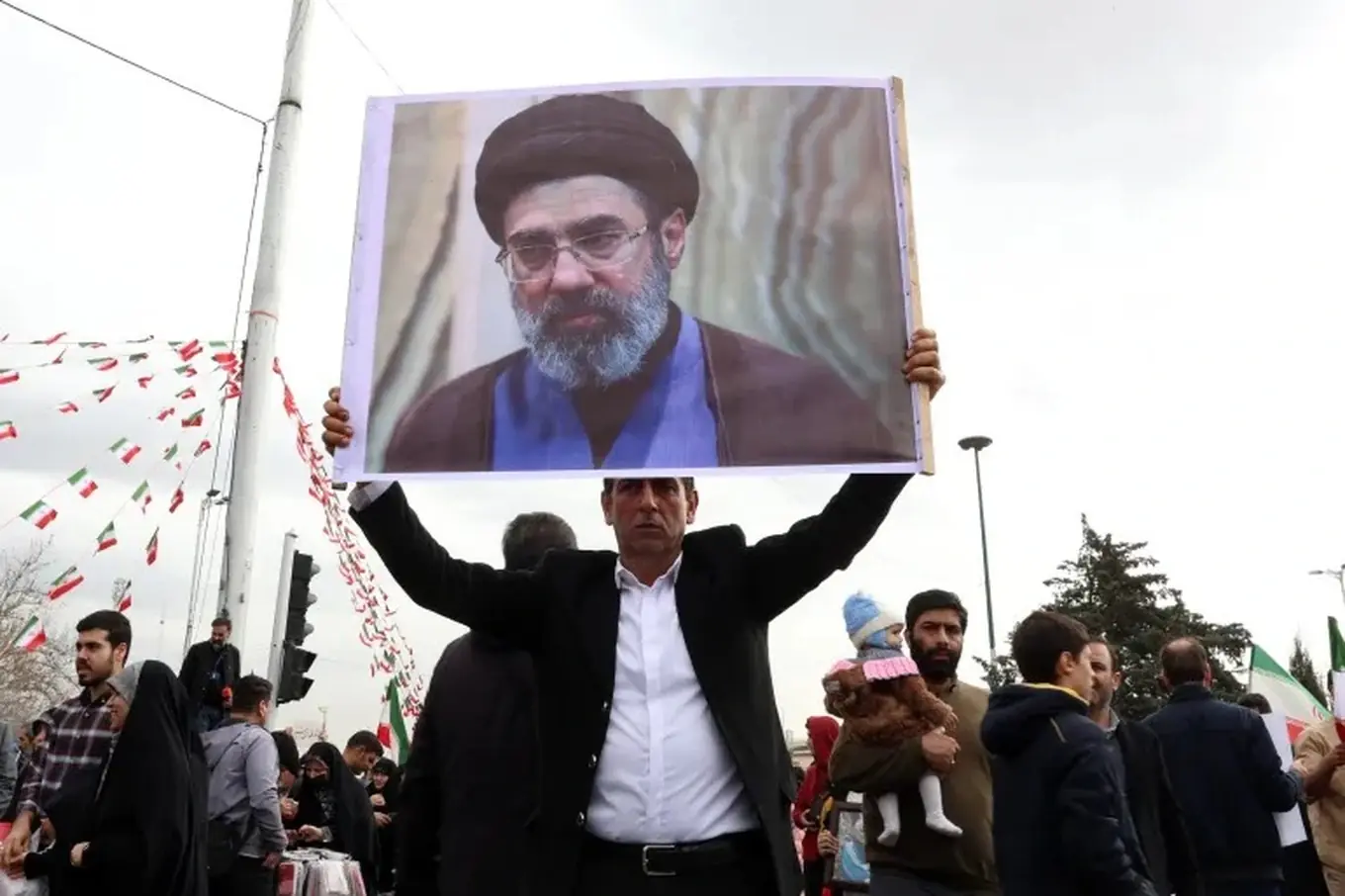
Profile of Iran’s newly selected supreme leader
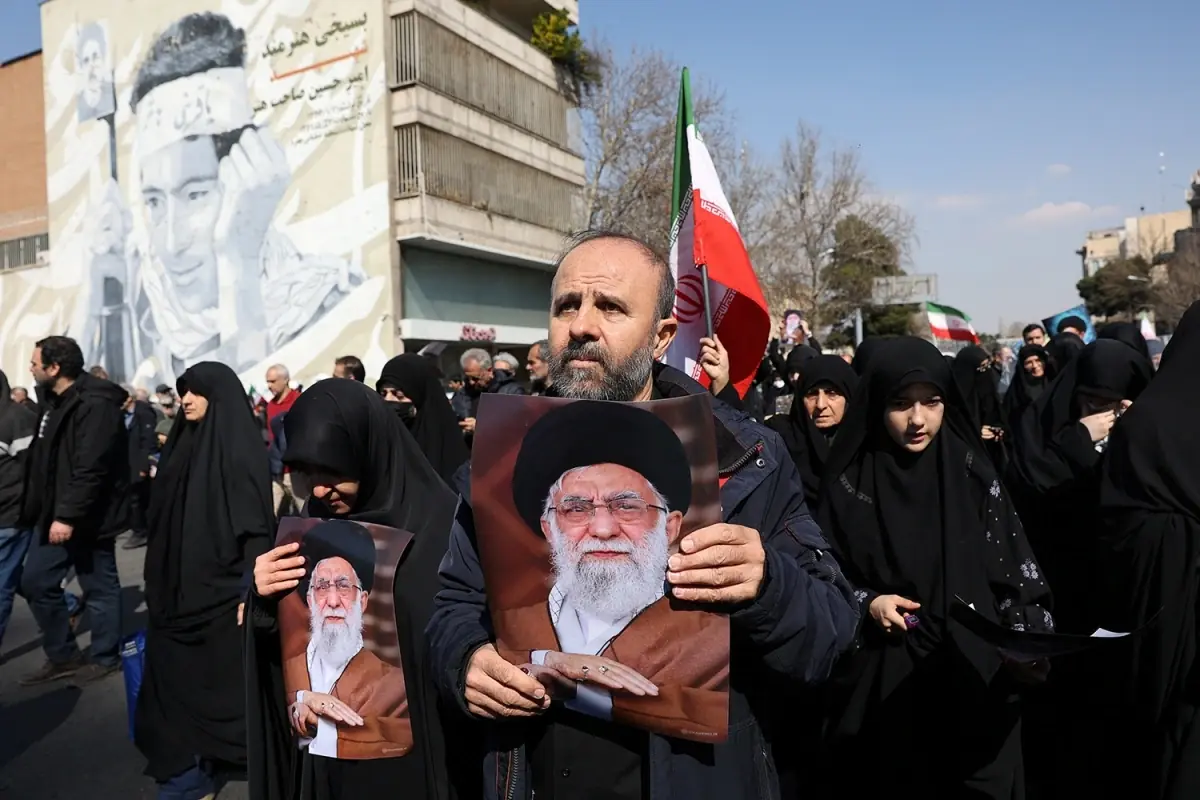
Iran’s Assembly of Experts Nears Consensus on Next Supreme Leader
India Says Its Russian Oil Purchases Require No Approval from Others
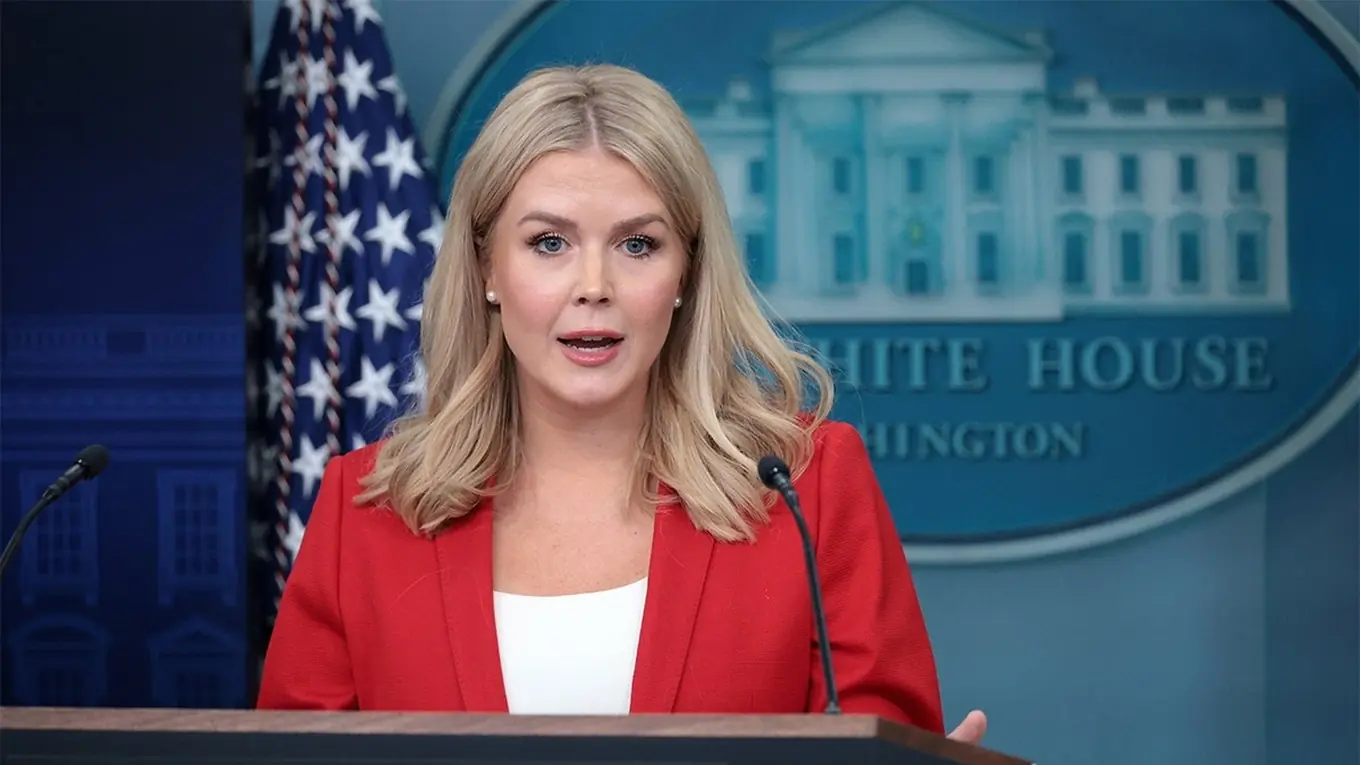
White House responds to speculation about possible U.S. ground deployment in Iran
Thailand asks civil servants to work from home to support energy-saving efforts
Russia says it is open to stable, long-term energy partnerships with Europe
Why Ukraine talks are being delayed, according to Zelensky
Iran Says It Is “Waiting” for U.S. Fleet in the Strait of Hormuz

My MIL Tried to Toss the Dinner I Cooked for My Husband’s Birthday — It Backfired

My SIL Adopted a Girl, but My Husband Wouldn’t Go to Her Birthday Party

My Ex Tried to Show Off as a Dad on Father’s Day — But Our Daughter Exposed Him

My Fiancée Put My Daughter in Economy and Took First Class — I Ended the Engagement

I Found Out My Dad Paid My Fiancé to Walk Away — So I Walked Away First


My Husband Joked That I Was His “Sister” — Until Our Anniversary Changed Everything

Daniel’s Mom Never Thought I Was Good Enough — Until Her Birthday

My Family Celebrated Together While Everything Between Us Was Breaking

I thought I knew my sister until one conversation changed everything

After Marriage Was Falling Apart And My Family Made It Worse Without Trying

I realized too late that I was replacing my mother in my family

When my parents divorced, they made me choose sides without saying it
India Sets Key Principles on Middle East Crisis While Seeking Alternative Oil Sources

My mother controlled our family with love and i didn’t see it until i left

I Never Thought My Father’s Affair Would Redefine Our Entire Family