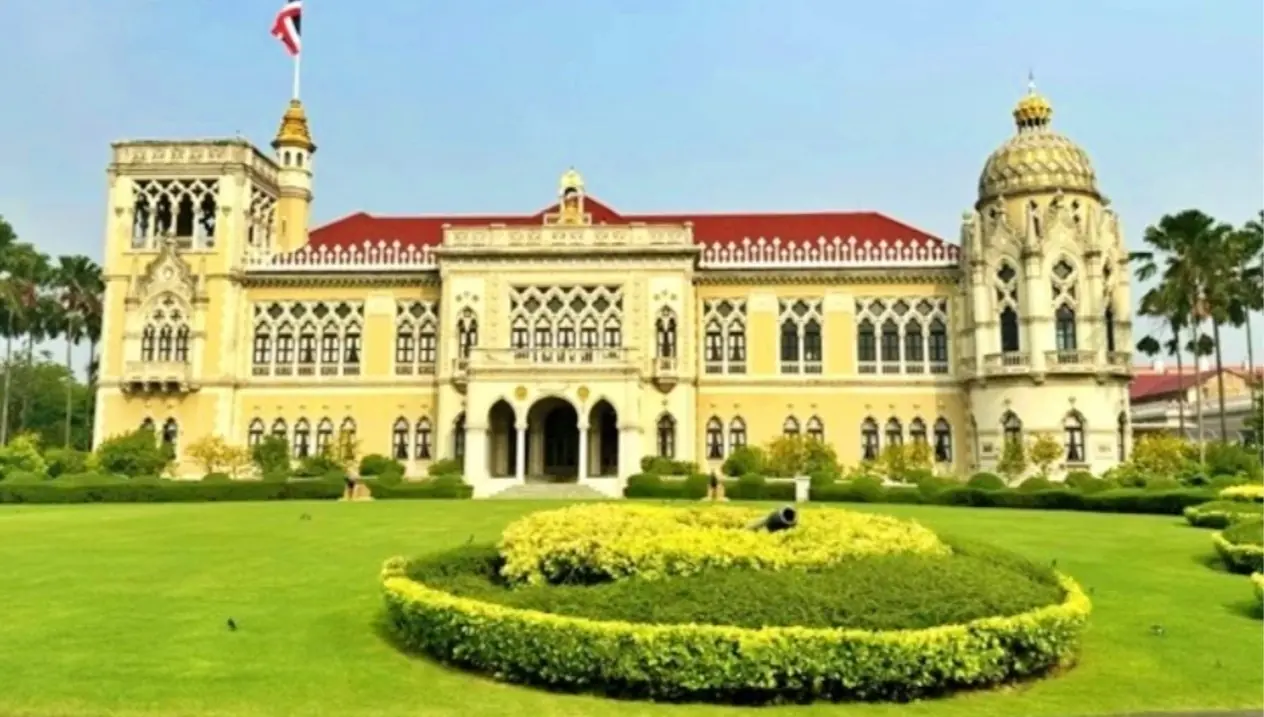
Thailand introduces work-from-home plan to reduce energy use
Thailand asks civil servants to work from home to support energy-saving efforts
Profile of Iran’s newly selected supreme leader
Iran has moved to appoint a new supreme leader following the death of Ayatollah Ali Khamenei, who led the country for nearly four decades. The decision was made by the Assembly of Experts, the clerical body responsible for selecting Iran’s highest authority, as the country seeks to maintain political stability during a period of regional tension.
Selection process after the leadership vacancy
The position of supreme leader became vacant after Ayatollah Ali Khamenei died on February 28 during a large-scale air operation targeting his residence in Tehran. His death marked the end of nearly 37 years in power and created an unprecedented leadership transition in Iran.
Under Iran’s constitution, the responsibility for selecting a new supreme leader belongs to the Assembly of Experts, an 88-member body composed mainly of senior Islamic clerics. The council holds deliberations and votes to appoint the country’s highest political and religious authority.
Following several days of discussions, members of the council confirmed that they had reached a consensus on the successor, although the official announcement required additional procedural steps before being publicly released.
During the transition period, a temporary leadership council consisting of the president, the judiciary chief, and a representative of the Guardian Council was tasked with overseeing the country’s affairs until the new leader was confirmed.
Background of the new leader
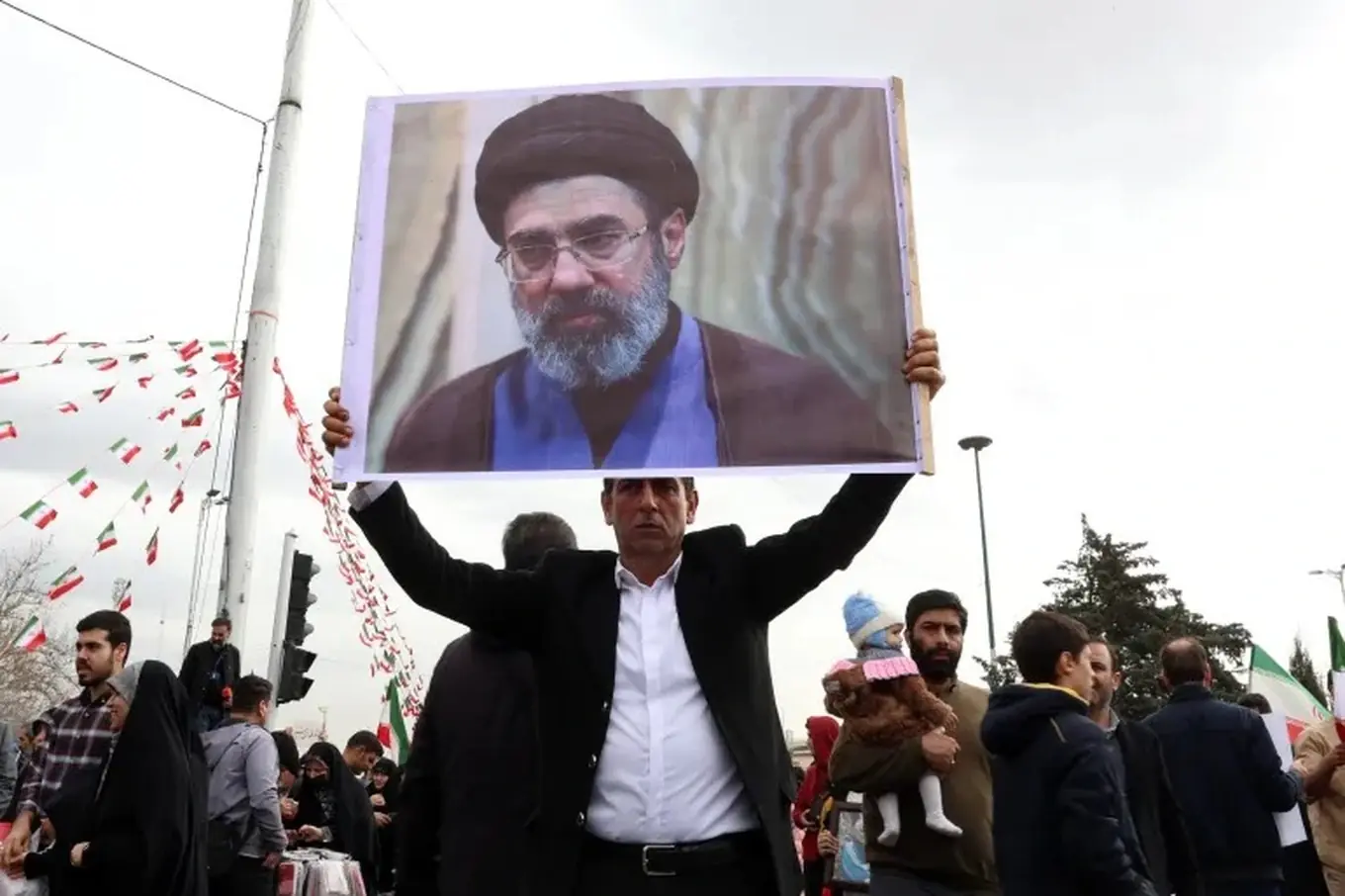
Although officials initially withheld the name of the successor, analysts and regional media reports have suggested that Mojtaba Khamenei, the son of the late supreme leader, emerged as one of the most prominent candidates for the role.
Mojtaba Khamenei is a cleric who has spent many years working within Iran’s religious and political institutions. He studied Islamic theology in the city of Qom, the country’s most important center for Shia religious education. Over time, he built connections with influential clerical networks and security institutions in the country.
Observers say he has played a behind-the-scenes role in Iranian politics for many years. Although he has rarely held formal government positions, he has reportedly been involved in political decision-making and coordination among key institutions.
His close relationship with senior figures in the Islamic Revolutionary Guard Corps (IRGC) and the clerical establishment is often cited as one reason why he is considered a strong candidate for the leadership position.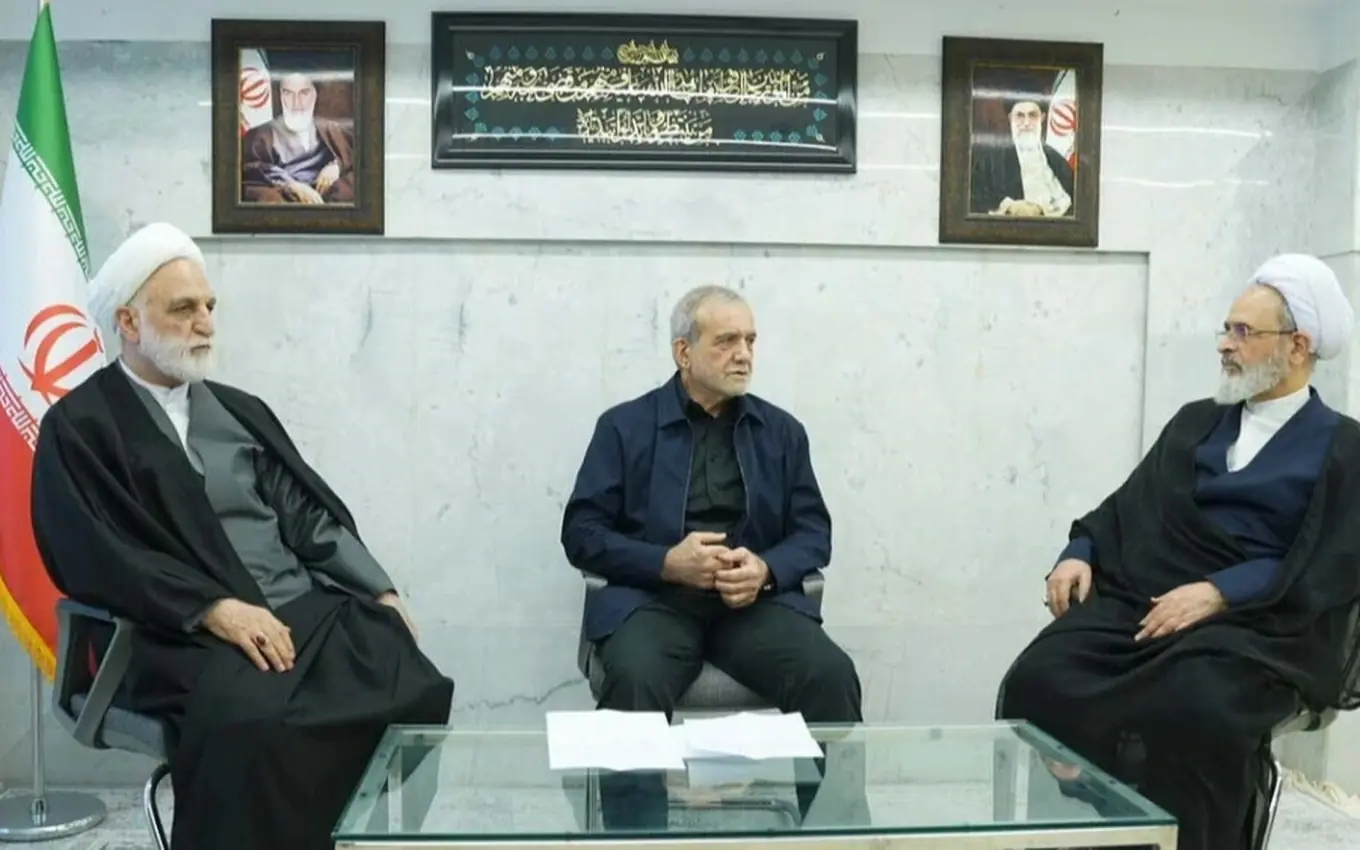
Role and powers of the supreme leader
The supreme leader holds the highest authority in Iran’s political system and exercises power over multiple branches of government. Unlike the president, who is elected by the public, the supreme leader is chosen by clerics and usually serves without a fixed term limit.
According to the Iranian constitution, the supreme leader has the authority to determine the country’s overall political direction and national strategy. This includes oversight of the armed forces, approval of key foreign policy decisions, and supervision of major state institutions.
The leader also appoints several high-ranking officials, including the head of the judiciary, the commanders of the armed forces, and senior figures in state broadcasting organizations. These powers make the position the most influential role in the Iranian political system.
Because of this authority, the selection of a new supreme leader is widely seen as one of the most significant political events in the country.
Security concerns during the selection process
The process of choosing the new leader took place under unusual circumstances. Israeli officials issued warnings that individuals involved in appointing the next supreme leader could become targets if they continued policies hostile to Israel.
Such warnings reportedly forced members of the Assembly of Experts to take extra security measures. Some meetings were held remotely to reduce the risk of further attacks or disruptions during the selection process.
These developments illustrate how regional tensions have affected not only military activities but also internal political processes within Iran.
A pivotal moment for Iran’s future
The appointment of a new supreme leader marks a major turning point in Iran’s political history. Ayatollah Ali Khamenei had shaped the country’s domestic and foreign policies for nearly four decades, making his successor’s leadership particularly important.
Analysts say the new leader will face several immediate challenges, including managing internal political stability, responding to international pressure, and guiding Iran through ongoing tensions in the Middle East.
At the same time, the leadership transition could influence Iran’s long-term strategic direction and its relationships with regional and global powers.
For now, the decision by the Assembly of Experts is intended to ensure continuity in the country’s political system while providing a new figure to guide Iran through a period of significant uncertainty.
Thailand asks civil servants to work from home to support energy-saving efforts
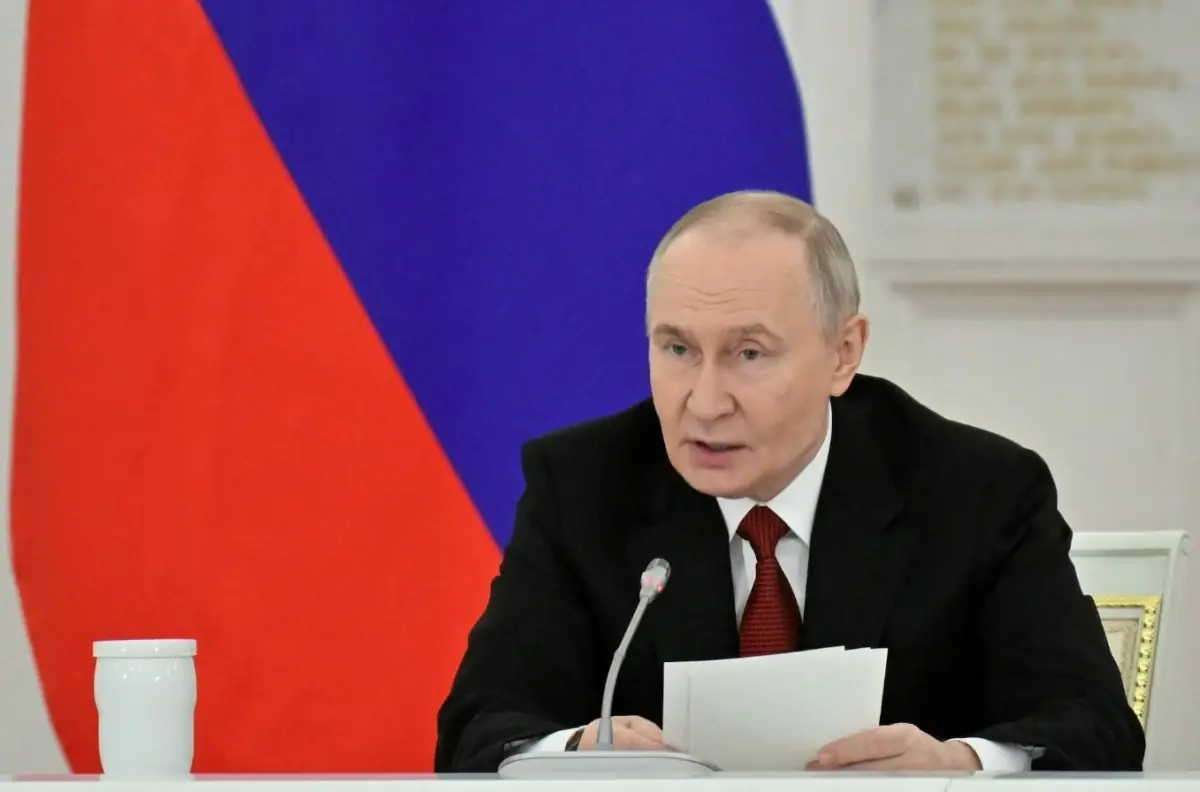
Russia says it is open to stable, long-term energy partnerships with Europe
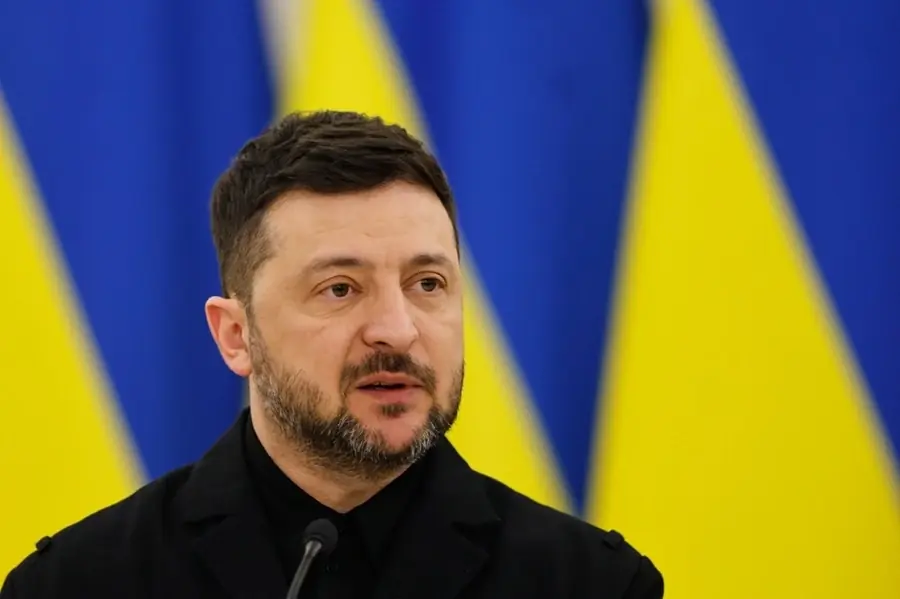
Why Ukraine talks are being delayed, according to Zelensky
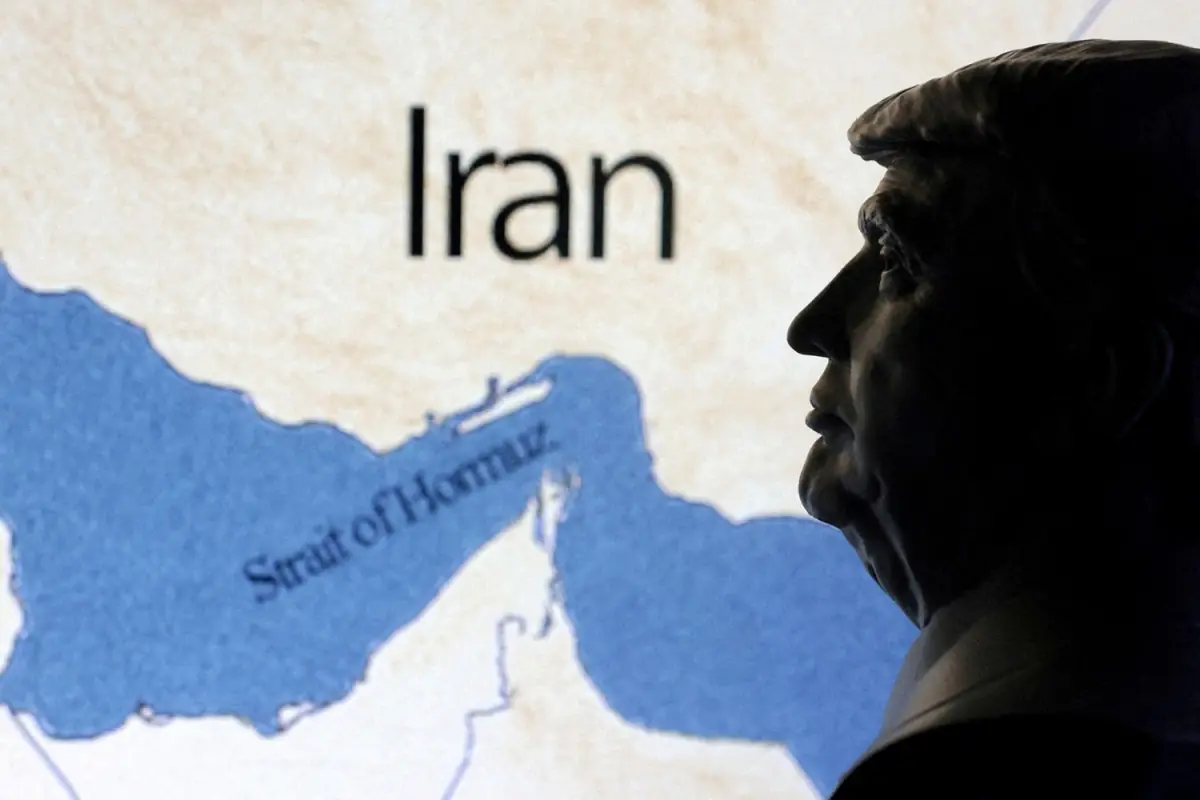
Iran Says It Is “Waiting” for U.S. Fleet in the Strait of Hormuz
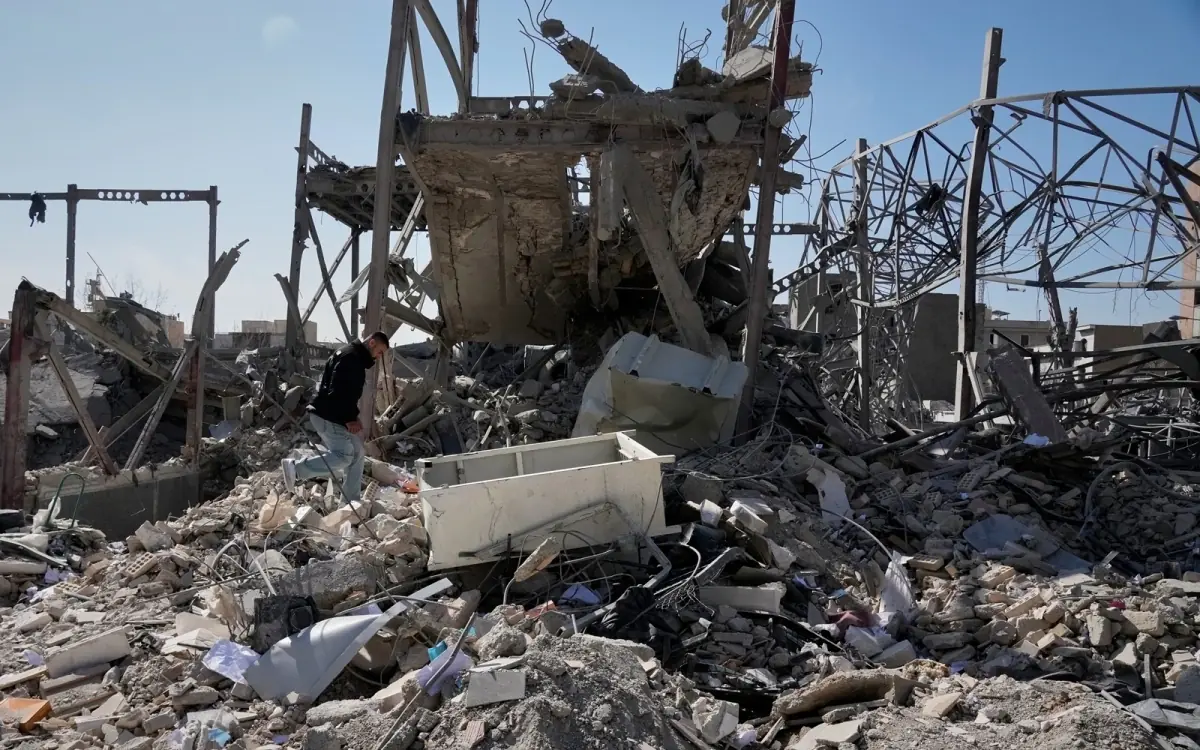
India Sets Key Principles on Middle East Crisis While Seeking Alternative Oil Sources
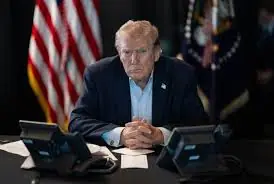
Key Takeaways from Trump’s Speech at the “Shield of the Americas” Summit
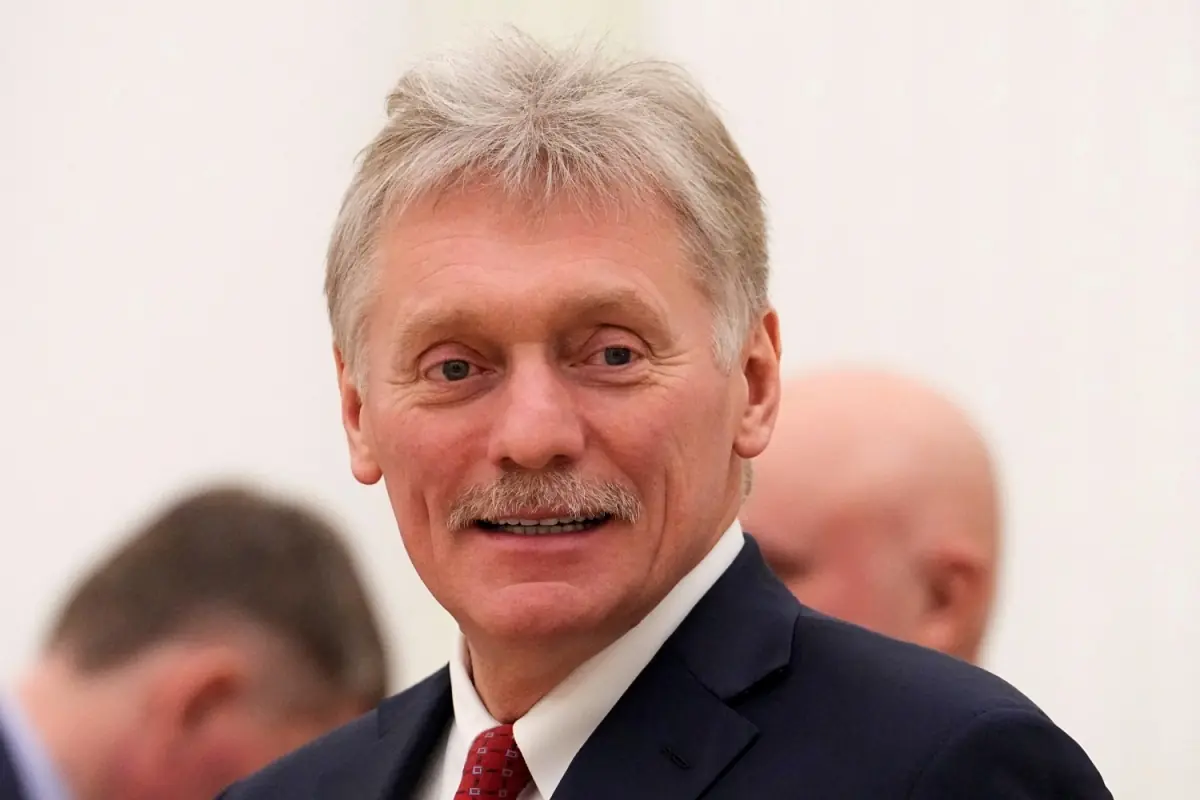
Kremlin Says Russia Remains Open to Direct Talks with the U.S.
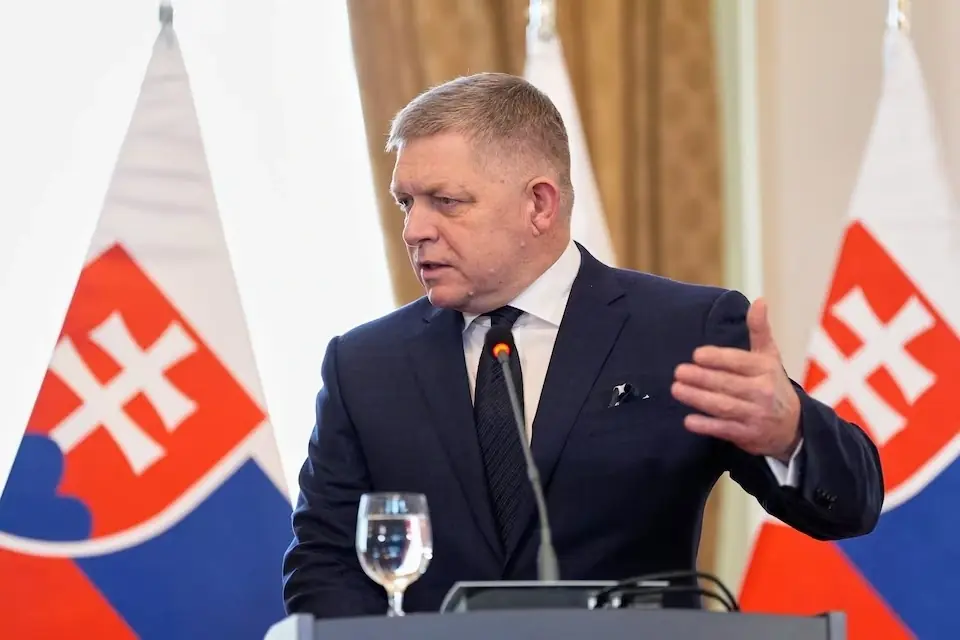
Slovakia Warns It May Block EU Loan to Ukraine Over Druzhba Pipeline Dispute
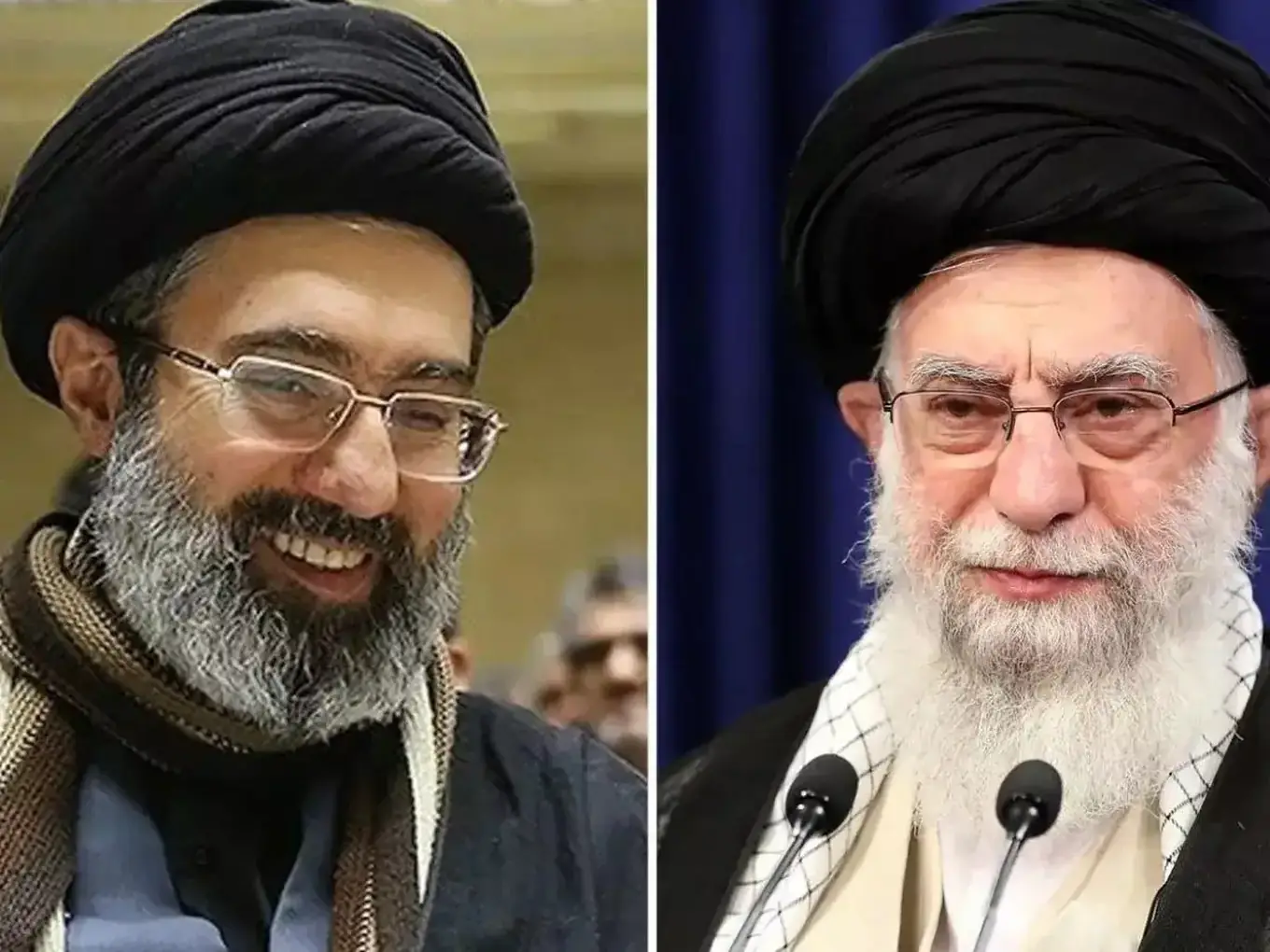
Iran signals determination after naming new supreme leader
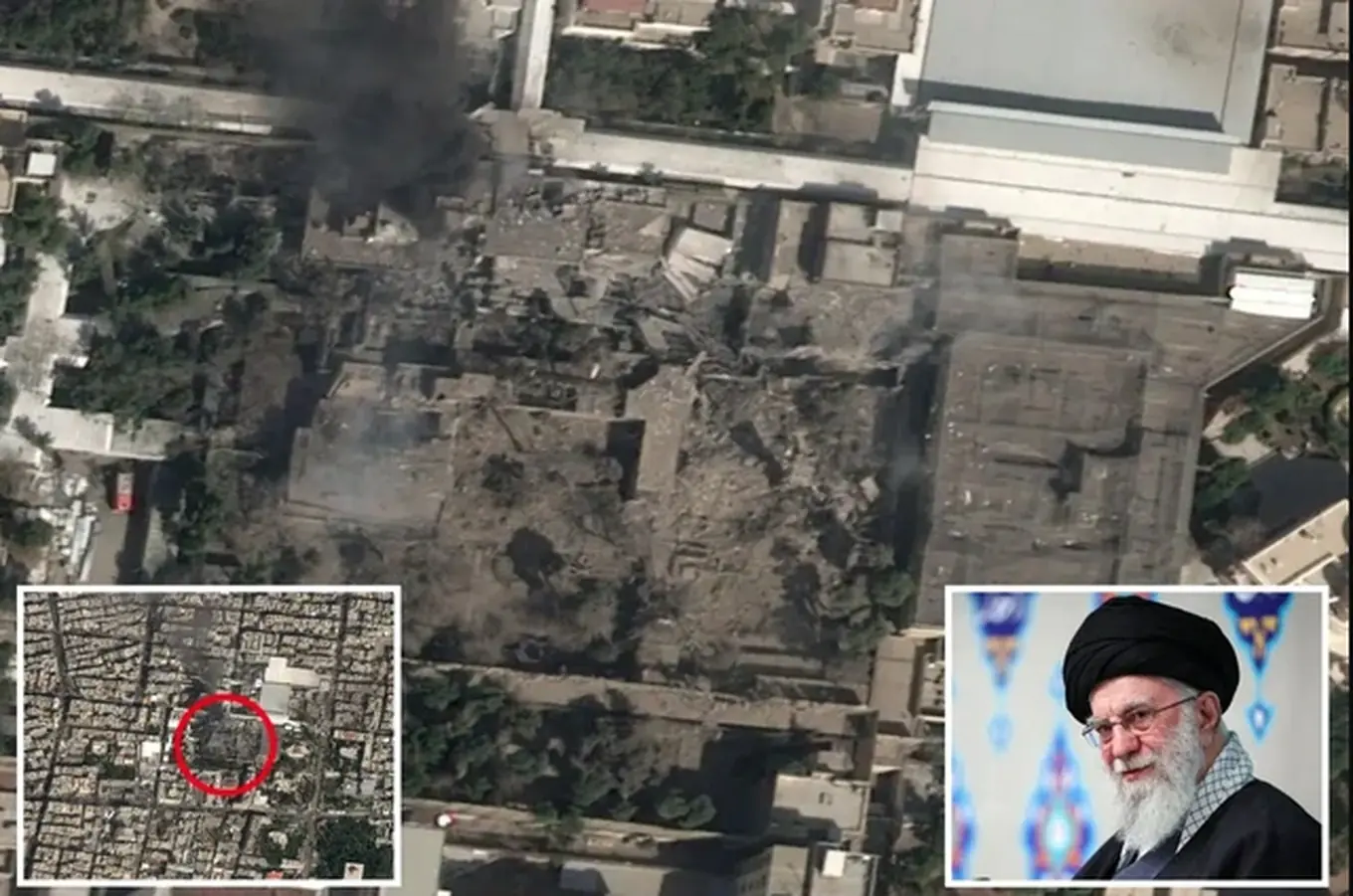
Iran says it has not used full strength, signals larger response
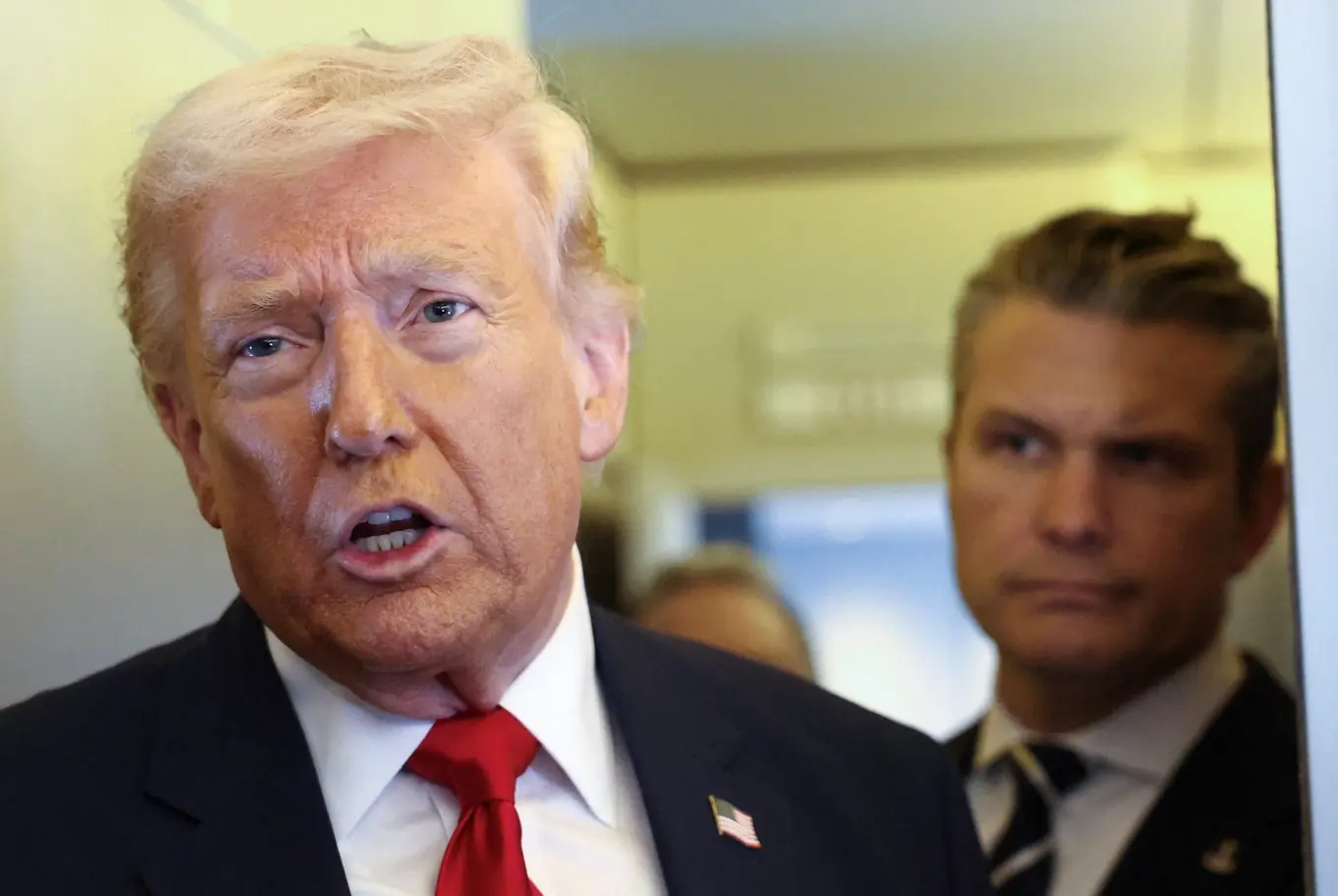
Limits of the U.S. air campaign against Iran become increasingly visible
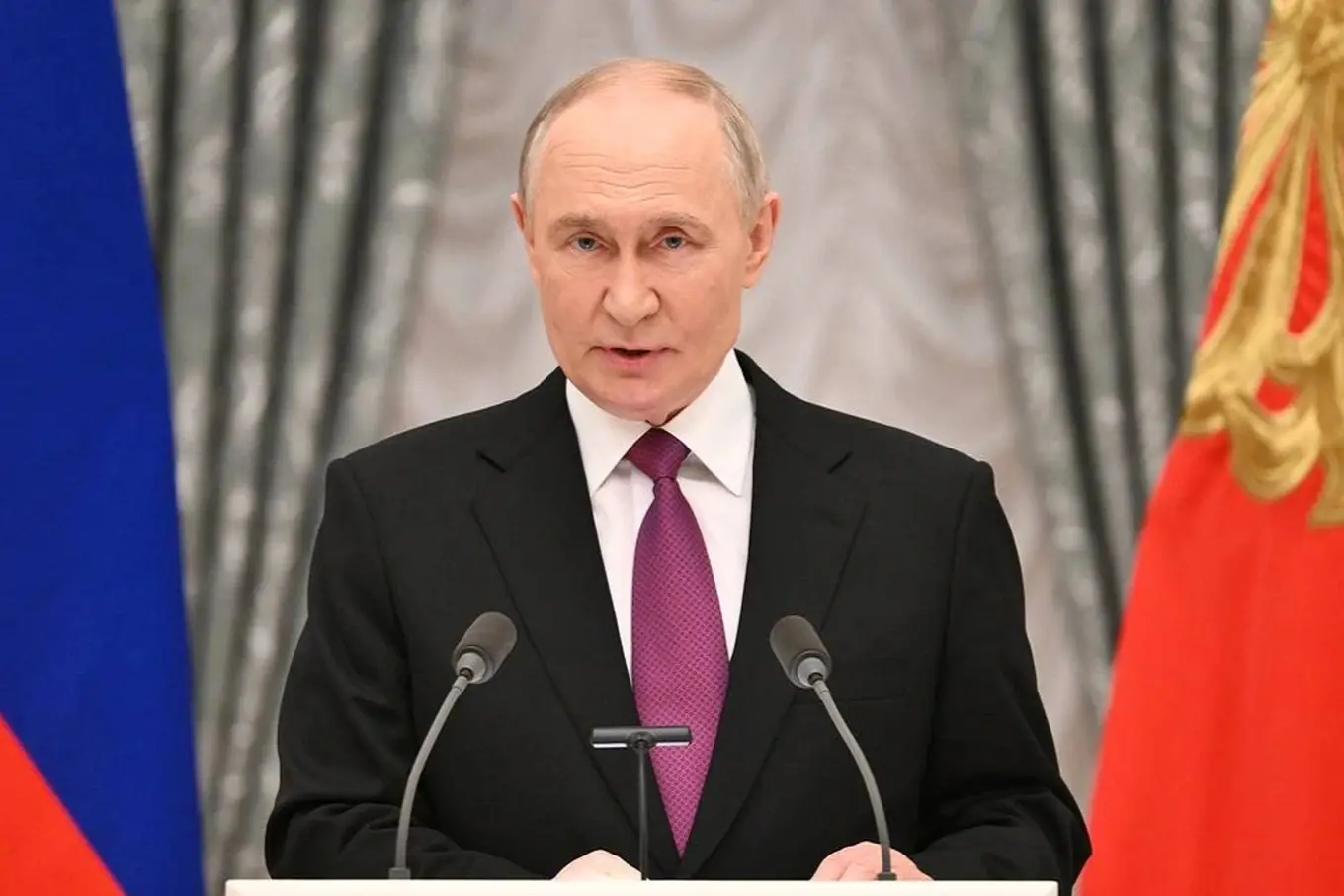
Putin says Russia will continue standing with Iran during regional tensions
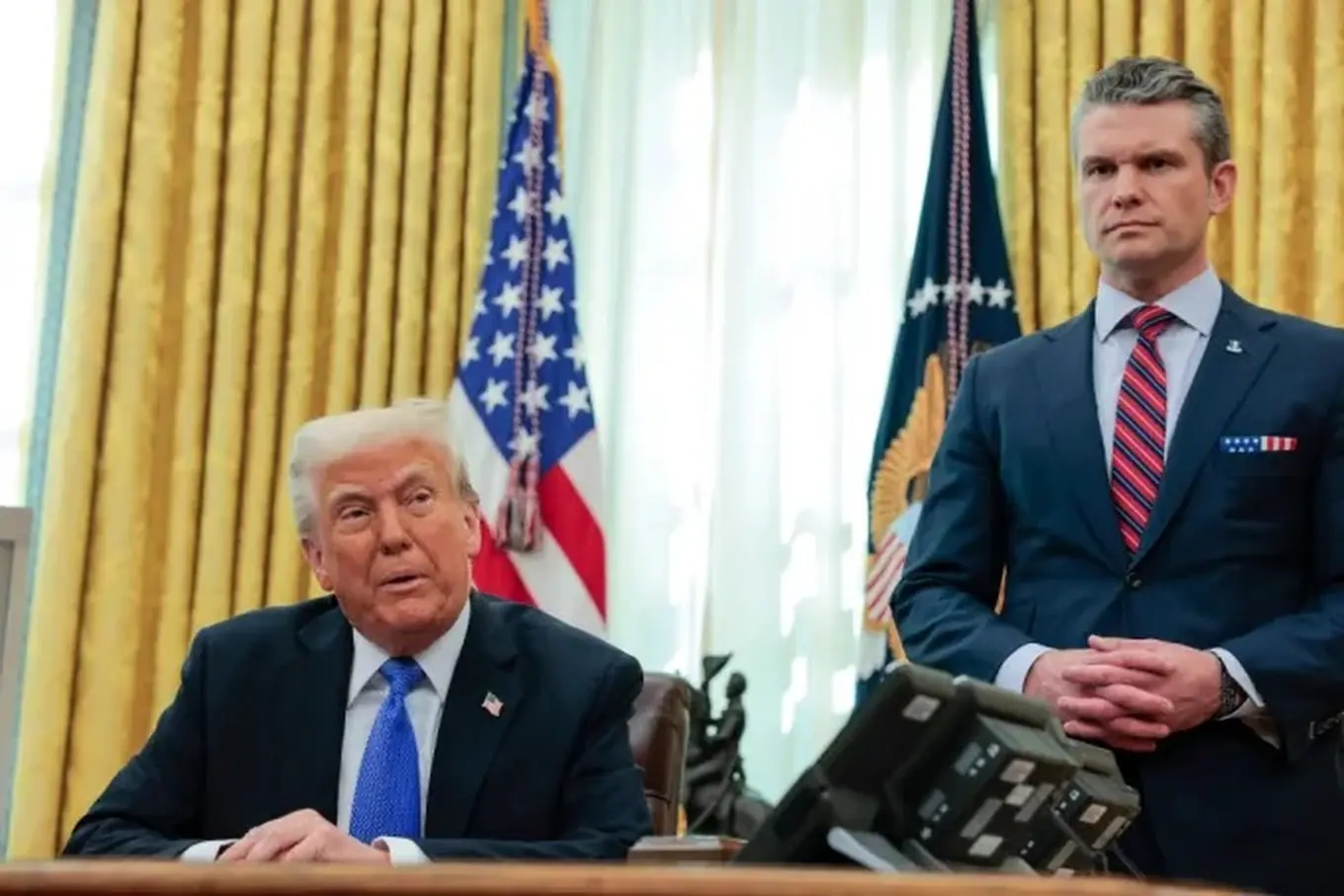
U.S. signals it may set surrender conditions for Iran as Tehran rejects the demand
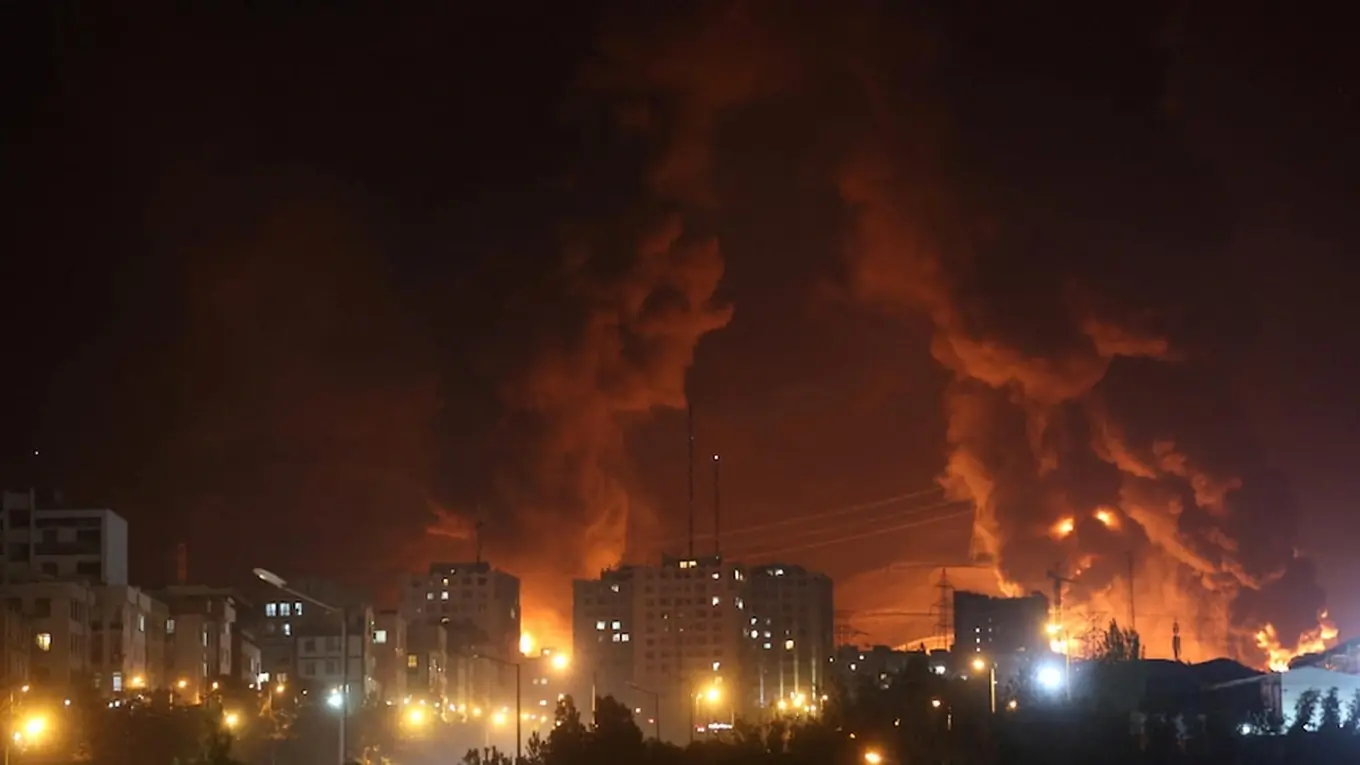
Overview of the Middle East conflict as missile exchanges intensify
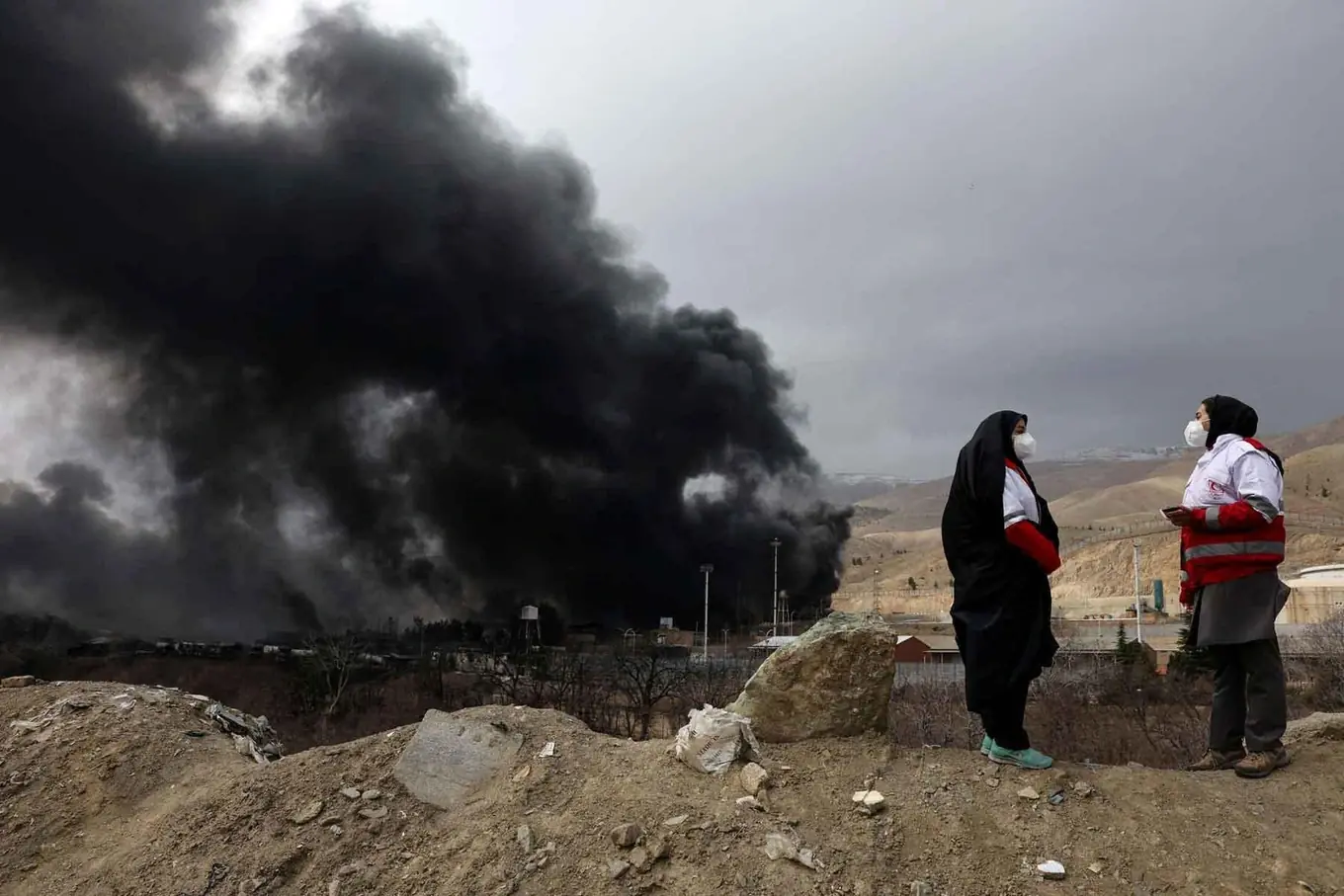
Daily life in Tehran disrupted as residents face severe hardship during the conflict
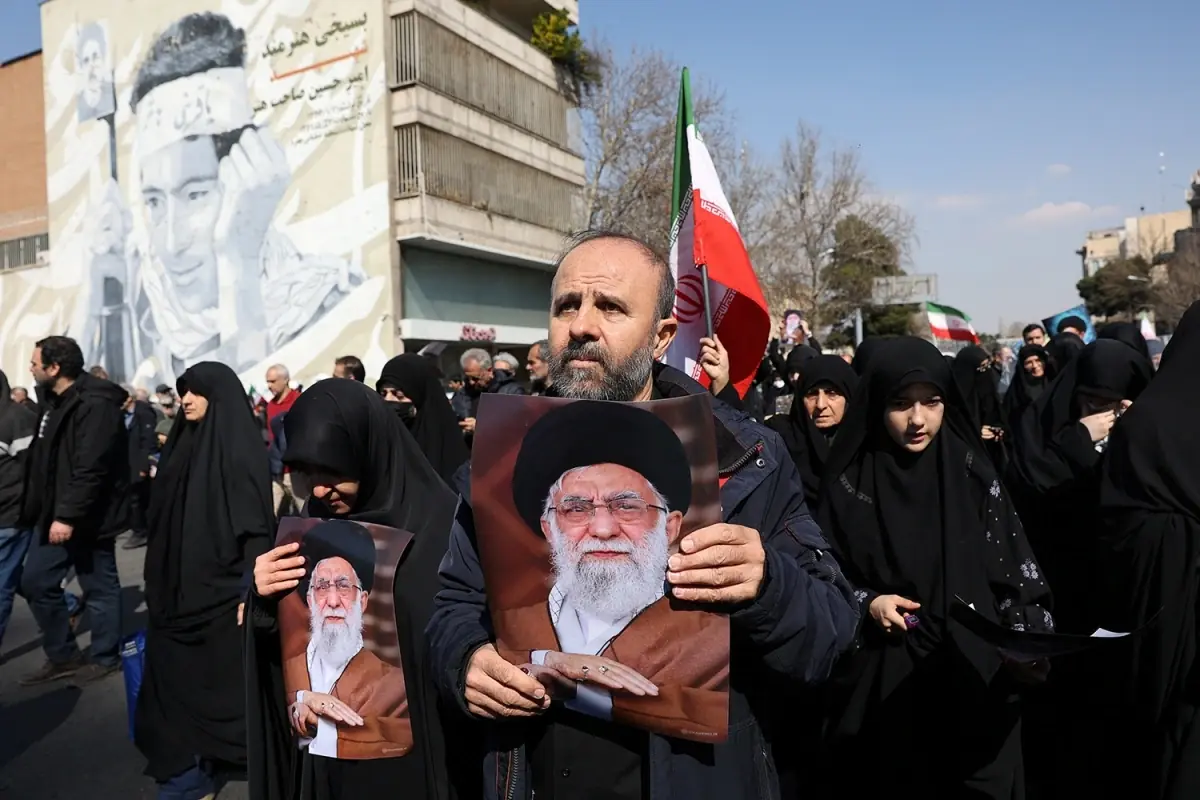
Iran’s Assembly of Experts Nears Consensus on Next Supreme Leader
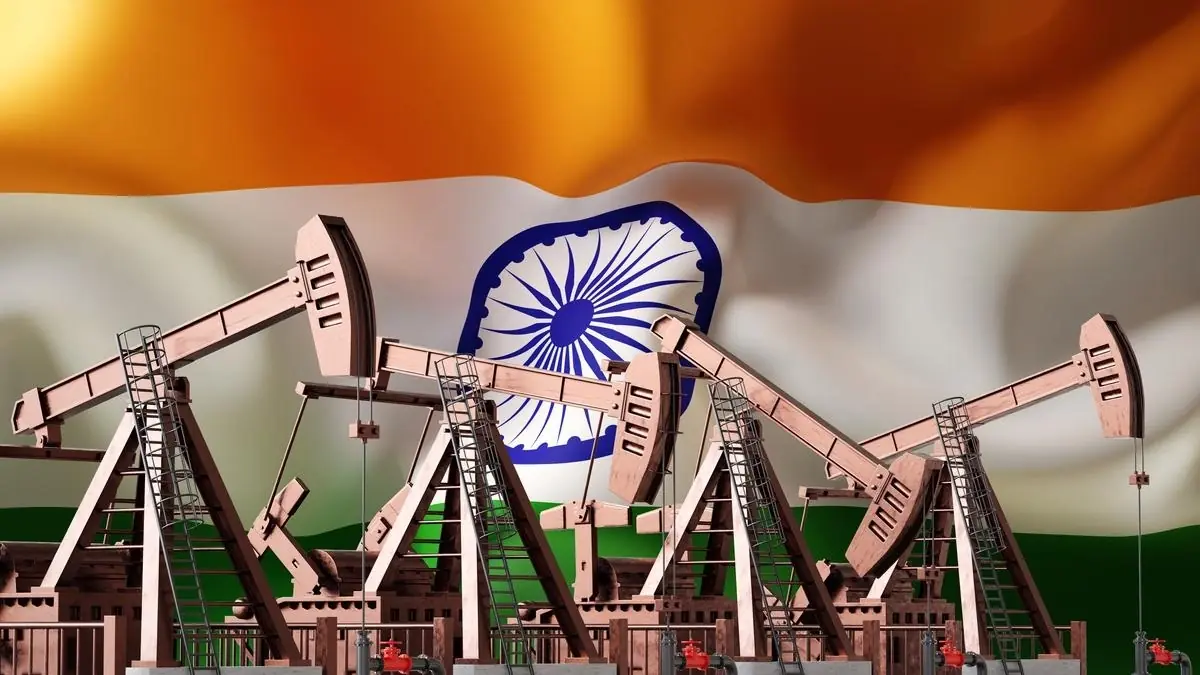
India Says Its Russian Oil Purchases Require No Approval from Others
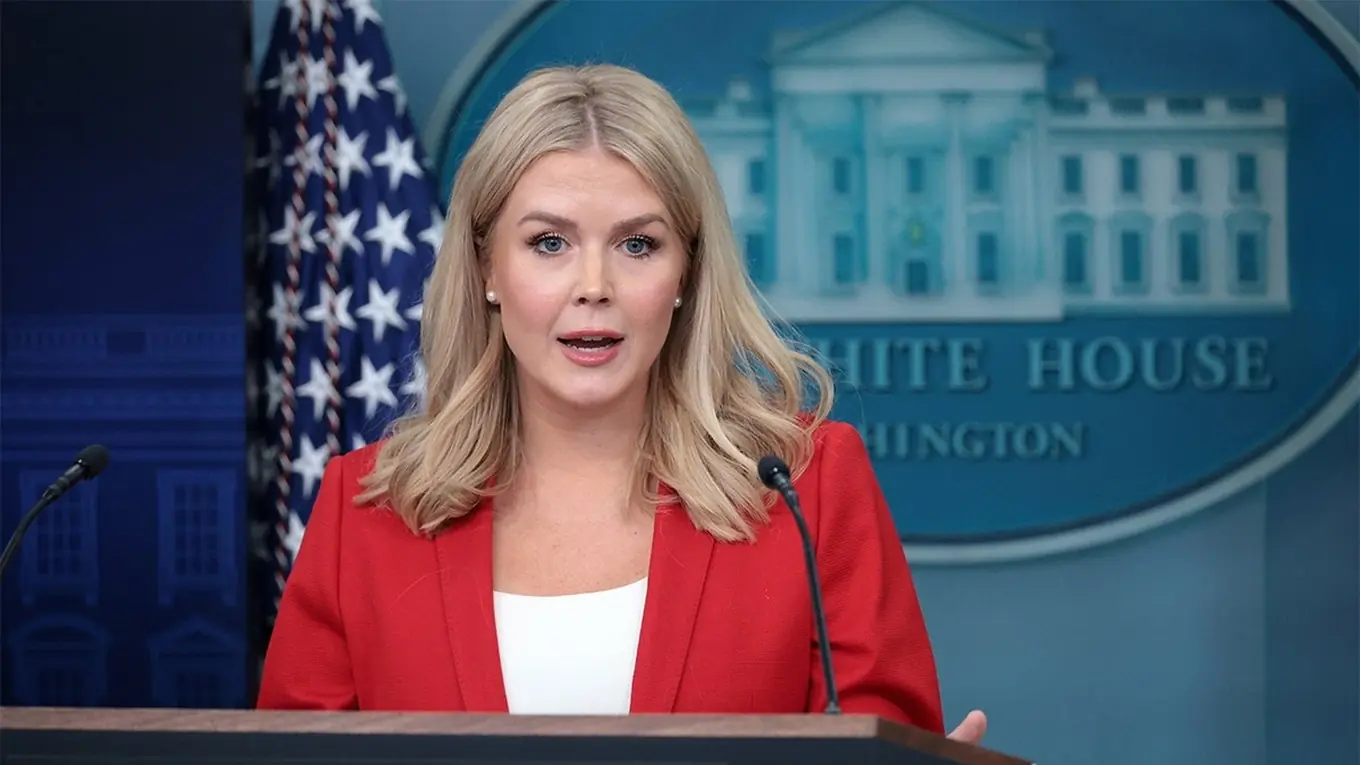
White House responds to speculation about possible U.S. ground deployment in Iran
Thailand asks civil servants to work from home to support energy-saving efforts
Russia says it is open to stable, long-term energy partnerships with Europe
Why Ukraine talks are being delayed, according to Zelensky
Iran Says It Is “Waiting” for U.S. Fleet in the Strait of Hormuz
My MIL Tried to Toss the Dinner I Cooked for My Husband’s Birthday — It Backfired

My SIL Adopted a Girl, but My Husband Wouldn’t Go to Her Birthday Party

My Ex Tried to Show Off as a Dad on Father’s Day — But Our Daughter Exposed Him

My Fiancée Put My Daughter in Economy and Took First Class — I Ended the Engagement

I Found Out My Dad Paid My Fiancé to Walk Away — So I Walked Away First


My Husband Joked That I Was His “Sister” — Until Our Anniversary Changed Everything

Daniel’s Mom Never Thought I Was Good Enough — Until Her Birthday

My Family Celebrated Together While Everything Between Us Was Breaking

I thought I knew my sister until one conversation changed everything

After Marriage Was Falling Apart And My Family Made It Worse Without Trying

I realized too late that I was replacing my mother in my family

When my parents divorced, they made me choose sides without saying it
India Sets Key Principles on Middle East Crisis While Seeking Alternative Oil Sources

My mother controlled our family with love and i didn’t see it until i left

I Never Thought My Father’s Affair Would Redefine Our Entire Family