News 2026-03-09 23:03:37

Iran signals determination after naming new supreme leader

Iran signals determination after naming new supreme leader


Iran signals determination after naming new supreme leader

Iran has sent signals of determination to continue its confrontation with the United States and Israel after selecting a new supreme leader, a move that officials and analysts say reflects the country’s intention to maintain its current stance despite mounting military pressure.

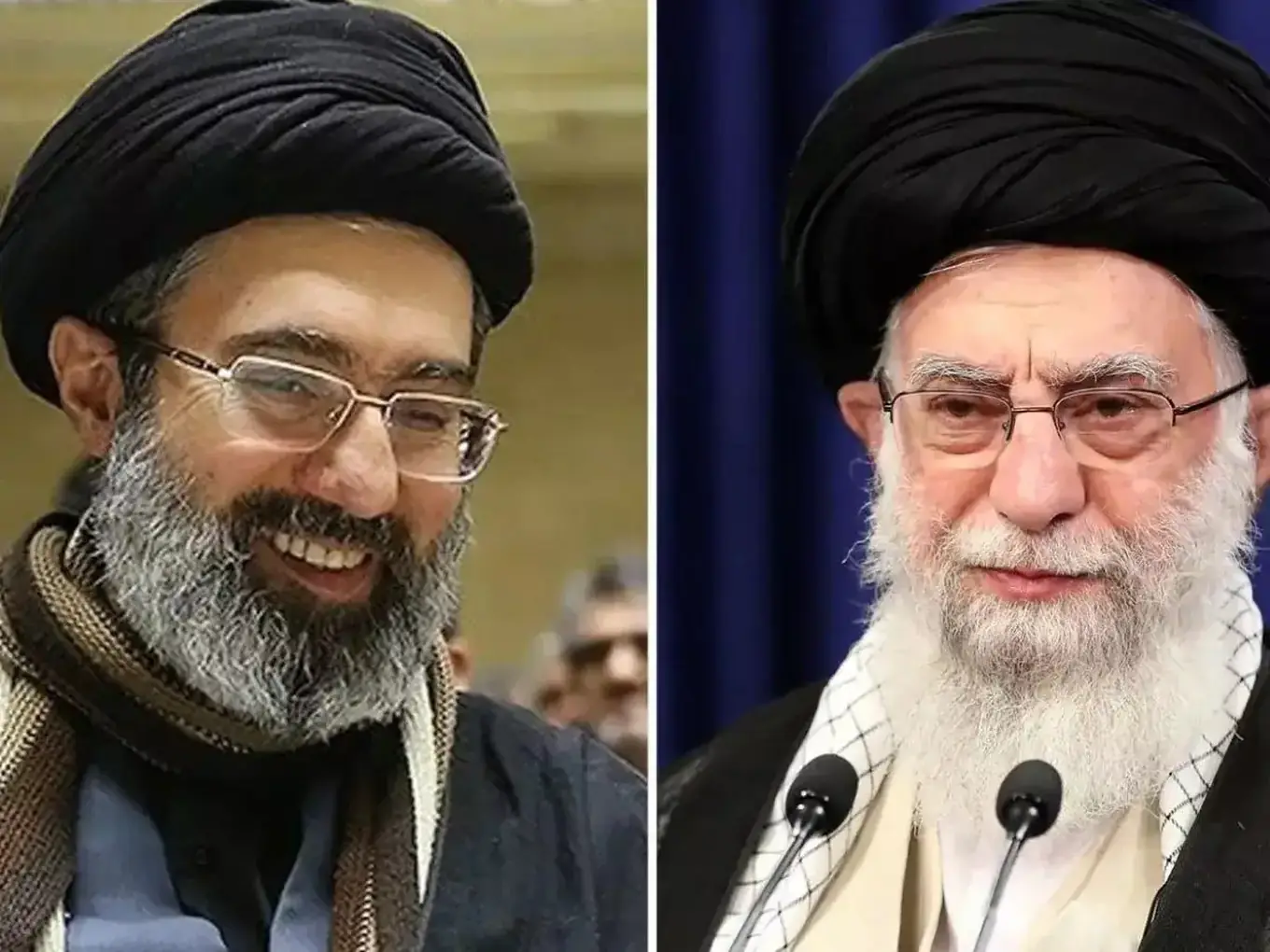
Iran’s clerical leadership confirmed that Mojtaba Khamenei has been chosen to succeed his father, Ali Khamenei, who was killed in an airstrike in Tehran during the escalating conflict. The decision was made by the Assembly of Experts, the body responsible for appointing Iran’s supreme leader.

The appointment came after several days of uncertainty following the death of Ali Khamenei on February 28, when a strike targeting senior Iranian leadership in the capital resulted in multiple casualties. His death triggered an urgent leadership transition as the country faced continued military pressure and regional instability.

According to Iranian media reports cited by international outlets, the selection of Mojtaba Khamenei was intended to demonstrate continuity in Iran’s leadership and policy direction. Analysts say the move signals that Tehran is unlikely to shift its strategic approach in response to ongoing attacks.

Following the announcement, senior Iranian military figures and political leaders quickly pledged allegiance to the new leader, emphasizing unity within the country’s political and security institutions. The support from the Islamic Revolutionary Guard Corps was particularly notable, as the force plays a central role in Iran’s military operations and regional strategy.

Observers say Mojtaba Khamenei has long maintained close ties with Iran’s security establishment and influential political networks. Although he had not previously held the country’s highest office, his relationship with powerful institutions inside Iran helped consolidate support for his leadership during the transition.


The leadership change comes amid a broader conflict involving Iran, the United States and Israel that has escalated sharply in recent weeks. Israeli and U.S. forces have carried out strikes targeting Iranian military infrastructure, while Iran has launched missile and drone operations in response.

In this context, the appointment of Mojtaba Khamenei is widely interpreted as a message that Iran intends to continue resisting external pressure rather than moving toward rapid concessions. Analysts say the leadership transition reflects the dominance of hardline factions within the Iranian political system.

Some experts note that the selection of the late leader’s son also marks an unusual development in Iran’s political structure, where hereditary succession has historically been rejected in favor of clerical selection mechanisms. Even so, the decision appears to have gained broad backing among key power centers within the country.

International reactions have been mixed. Officials in the United States and Israel criticized the leadership change, arguing that it indicates Tehran is unlikely to soften its policies in the near term. At the same time, global markets reacted quickly to the news, with oil prices rising amid fears that the conflict could disrupt energy supplies in the Middle East.

Energy markets have been particularly sensitive to developments in the region because of the strategic importance of the Strait of Hormuz, a key maritime route for global oil shipments. Any prolonged disruption in the area could affect international energy supplies and economic stability.

Inside Iran, large rallies were reported in support of the new leader, with crowds gathering in Tehran and other cities. Demonstrators carried images of both Ali Khamenei and Mojtaba Khamenei while expressing support for the country’s leadership during the ongoing crisis.


Despite these displays of support, analysts say the country faces significant internal and external challenges. Iran’s economy has been under pressure from sanctions and wartime disruption, while the continuing confrontation with the United States and Israel adds further uncertainty.

For now, the leadership transition appears to have stabilized the immediate political situation in Tehran. However, the broader regional conflict remains unresolved, and the new leadership will likely face difficult decisions about how to respond to ongoing military operations and international pressure.

Whether the appointment of Mojtaba Khamenei leads to further escalation or eventually opens the door to diplomatic engagement remains uncertain. Much will depend on how the confrontation between Iran and its adversaries evolves in the coming weeks.

News in the same category

News Post