News 11/03/2026 23:40

Iran says it is monitoring U.S. naval presence in the Strait of Hormuz

Iran Says It Is “Waiting” for U.S. Fleet in the Strait of Hormuz

A spokesperson for Iran’s Islamic Revolutionary Guard Corps (IRGC) stated that Iranian forces are “waiting” for the U.S. fleet in the Strait of Hormuz, while warning that Tehran could block oil exports from the region if attacks by the United States and Israel continue.

IRGC spokesperson Major General Ali Mohammad Naeini said that Iran’s armed forces are “waiting for the U.S. naval fleet in the Strait of Hormuz,” and asserted that ending the conflict “lies in Iran’s hands.”
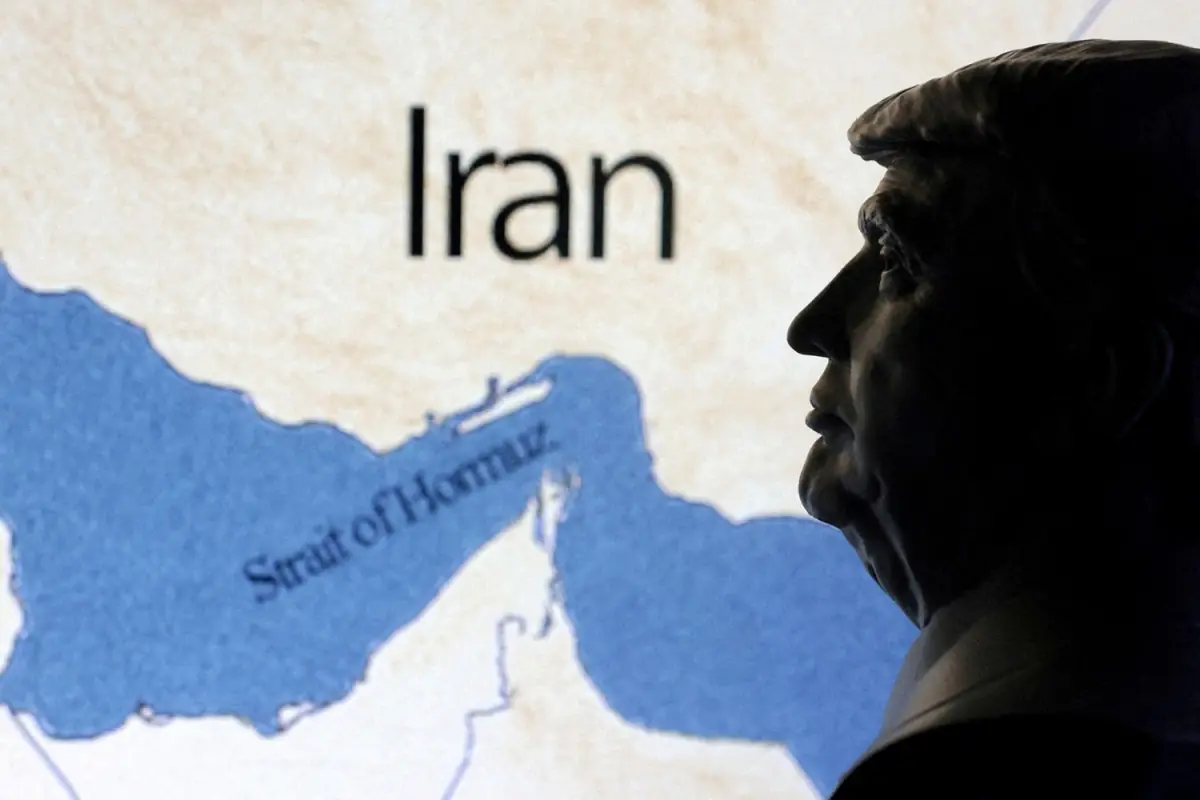

Naeini’s remarks, reported by Iranian state media, appeared to be a response to U.S. President Donald Trump’s press conference on March 9 and his recent statements about ensuring security in the Strait of Hormuz—a globally vital route for oil and commercial shipping.

According to Naeini, Iran’s armed forces are closely monitoring the presence of the U.S. Navy in the region. “The armed forces of the Islamic Republic of Iran are waiting for the U.S. naval fleet in the Strait of Hormuz and are awaiting the aircraft carrier USS Gerald R. Ford,” he said.

The IRGC spokesperson also rejected U.S. claims that commercial and military vessels can easily pass through the Strait of Hormuz.

“He [U.S. President Donald Trump] claims that commercial and military vessels in the region can move easily through the Strait of Hormuz. However, U.S. ships and warplanes have withdrawn from the area and are now positioned more than 1,000 kilometers away to avoid Iran’s missiles and drones,” Naeini said.


Earlier the same day, President Donald Trump affirmed that the Strait of Hormuz—a strategic waterway—“will remain safe,” while warning that Iran would pay a “heavy price” if it attacks any vessels. In a previous statement, Trump said the U.S. administration is “considering” taking control of the Strait of Hormuz and suggested that the U.S. Navy could escort oil tankers “if necessary.”

The IRGC spokesperson also warned that if attacks by the U.S. and Israel against Iran continue, Tehran “will not allow the export of even a single drop of oil from the region.”

According to the U.S. Central Command (CENTCOM), there are currently two U.S. carrier strike groups deployed in the Middle East: the USS Abraham Lincoln operating in the Arabian Sea and the USS Gerald R. Ford in the Red Sea after passing through the Suez Canal.

News in the same category

News Post