News 2026-03-09 10:33:51

Overview of the Middle East conflict as missile exchanges intensify

Overview of the Middle East conflict as missile exchanges intensify


Overview of the Middle East conflict as missile exchanges intensify

The confrontation in the Middle East has entered a highly volatile phase as both sides continue exchanging long-range strikes across the region. In recent days, multiple missile launches from Iran toward Israel and large-scale aerial operations by Israel and its allies have created a rapidly expanding conflict that now affects several countries in the Middle East.

Missile launches over Israeli skies
Iran has launched multiple waves of missiles toward Israel during the latest stage of the conflict. Israeli defense authorities reported that several rounds of launches were detected overnight, triggering nationwide air-raid alerts in major cities including Tel Aviv and Jerusalem.

According to Israeli officials, most of the incoming missiles were intercepted by air-defense systems before reaching their intended targets. Debris from intercepted projectiles was reported falling in several locations after defensive systems activated across central Israel.

These launches are part of Iran’s broader response to earlier air operations conducted by Israel and the United States against strategic locations inside Iranian territory.

Israel continues large-scale air operations
At the same time, Israel has maintained intensive aerial campaigns against targets in Iran. Israeli officials say these operations focus on locations connected to missile infrastructure and military command networks.

According to statements from Israeli defense sources, hundreds of missile launchers and related facilities have been targeted since the beginning of the campaign. The goal of these operations is to reduce Iran’s ability to carry out further long-range attacks.

Despite these operations, Israel has acknowledged that Iran still retains significant missile capabilities and can continue launching attacks when opportunities arise.
 

Conflict spreading across multiple fronts
The confrontation is no longer limited to Iran and Israel. Several areas across the Middle East have been affected by the expanding hostilities.

Reports indicate that Iranian operations and retaliatory actions have targeted locations linked to U.S. or allied interests across the region, including parts of the Gulf. Meanwhile, Israel has also conducted operations against groups allied with Iran in Lebanon and other neighboring areas.

Airspace over countries such as Syria has become an active transit route for aircraft and missile interceptions, highlighting how the conflict increasingly crosses national borders.

These developments have raised concerns among international observers that the confrontation could evolve into a broader regional conflict if additional countries become involved.

Major strategic locations affected
Several critical strategic areas have also been impacted by the crisis. One of the most sensitive locations is the Strait of Hormuz, a narrow maritime passage through which roughly 20% of the world’s oil and liquefied natural gas shipments pass.

Iran has announced measures to restrict shipping through the strait during the conflict, raising fears of disruptions to global energy supplies. The potential closure of this route has already increased volatility in energy markets and international shipping.

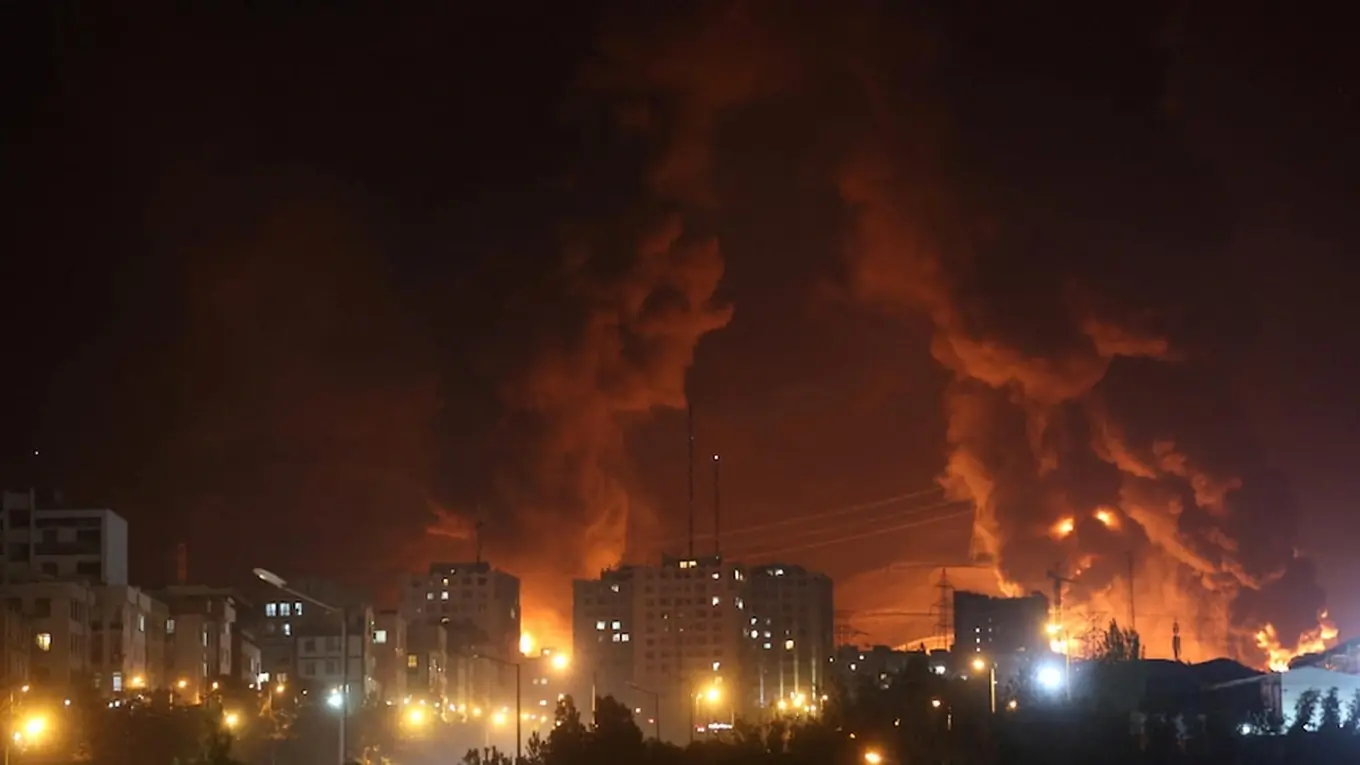
Meanwhile, military activity has been reported across several cities in Iran, including Tehran and other major urban centers, where large-scale air operations have targeted strategic facilities.

Rising human and economic costs
The conflict has also produced a significant human and economic toll. Reports indicate that more than 1,300 people have been killed since the start of the confrontation at the end of February, with many more injured.

Beyond casualties, the crisis is affecting global economic stability. Energy markets, shipping routes, and regional trade networks are all experiencing disruptions due to the instability in the Gulf region.

Analysts warn that the longer the conflict continues, the greater the potential impact on international markets and global supply chains.

Uncertain outlook for the region
Despite intense military activity, there is still no clear indication that the confrontation will end soon. Both sides have continued to signal readiness to sustain operations, while diplomatic efforts to reduce tensions remain limited.

Experts say the situation could evolve in several directions depending on political decisions, military developments, and possible international mediation.

For now, the Middle East remains on high alert as missile launches, air operations, and retaliatory actions continue to reshape the region’s security landscape.

News in the same category

News Post