News 2026-03-09 23:49:20

India Outlines Principles on Middle East Conflict, Seeks Alternative Oil Supplies

India Sets Key Principles on Middle East Crisis While Seeking Alternative Oil Sources

The ongoing conflict in the Middle East is posing significant challenges for India. In response, the country has outlined key guiding principles while also seeking alternative oil supply sources as the conflict continues.

India’s Principles for Responding to the Middle East Crisis

Speaking before Parliament on March 9, India’s External Affairs Minister S. Jaishankar outlined three core principles guiding the government’s approach to rising tensions in the Middle East. These include promoting peace and urging all parties to de-escalate for the safety of civilians; ensuring the security and interests of the Indian community in the region; and safeguarding India’s national interests, particularly energy security and trade.
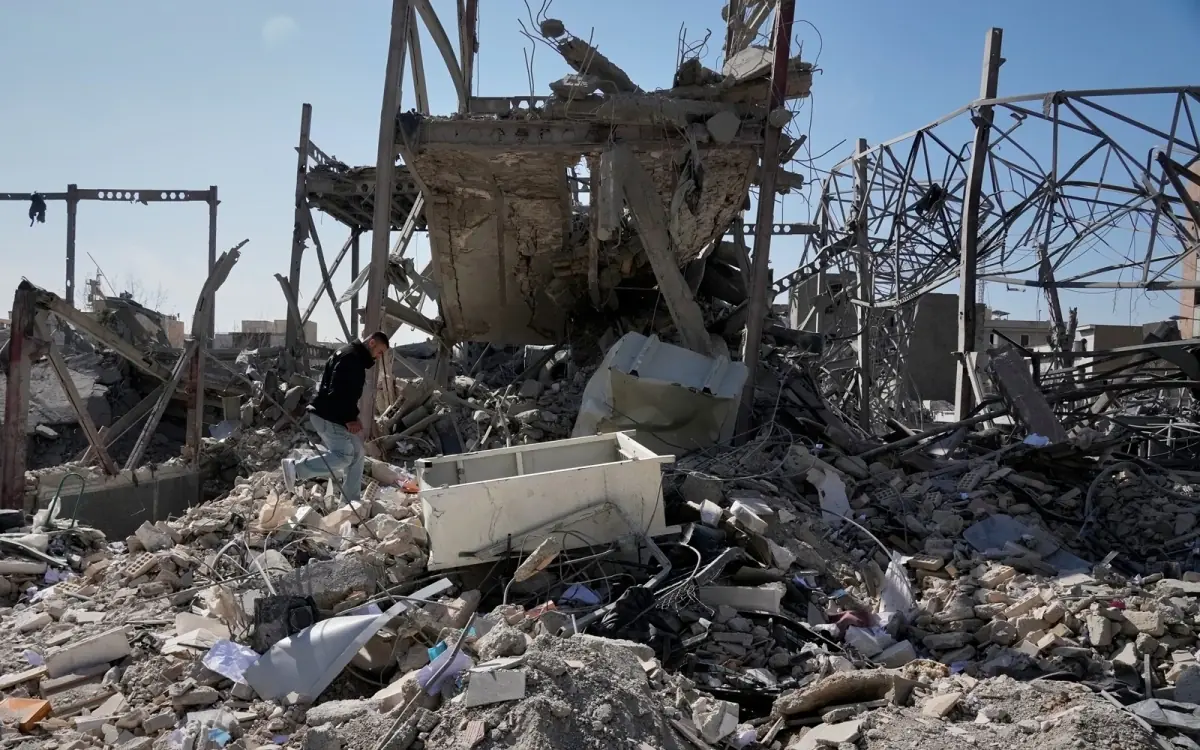


The three principles were presented amid criticism from opposition parties in Parliament, which have questioned the government’s handling of the Middle East conflict and demanded a debate under Rule 176 on India’s energy security in the current context.

Addressing the upper house, Jaishankar reiterated India’s initial statement issued when the conflict between the United States, Israel, and Iran broke out, emphasizing calls for restraint, avoidance of escalation, and prioritizing the protection of civilians. During a meeting of the Cabinet Committee on Security (CCS) earlier this month, special attention was given to the safety of nearly 10 million Indian nationals living in the Middle East, along with concerns over economic impacts and energy security.

Jaishankar said Prime Minister Narendra Modi has personally directed and closely monitored efforts to assist Indian citizens in the Middle East who wish to return home. He reported that more than 100 flights have repatriated citizens over the past three days. As of March 8, around 67,000 Indian nationals had returned from the region.

According to Jaishankar, West Asia remains crucial to India’s energy security, as it includes many of the country’s major oil and gas suppliers. The Gulf region is also a major trading partner, accounting for nearly $200 billion in annual trade, and has made significant investments in India’s economy over the past decade. As a result, disruptions to supply chains and instability in the region are viewed by India as serious concerns.

However, he stressed that the government is taking steps to reduce risks for businesses. “The government remains committed to ensuring the country’s energy security, fully taking into account supply, cost, and market risks… For us, the interests of Indian consumers always come first. When necessary, India’s diplomatic channels have supported the efforts of energy companies during this period of volatility,” he said.

Regarding reports of an Iranian naval vessel sunk by the United States after visiting India, Jaishankar explained that Iran had requested permission for three Iranian ships to dock at Indian ports, a request approved on March 1. He noted that the Iranian vessel Lavan is currently docked in Kochi, with its crew being accommodated at Indian Navy facilities. Jaishankar added that Iran’s foreign minister expressed gratitude for India’s humanitarian gesture.

News in the same category

News Post