
Thailand introduces work-from-home plan to reduce energy use
Thailand asks civil servants to work from home to support energy-saving efforts
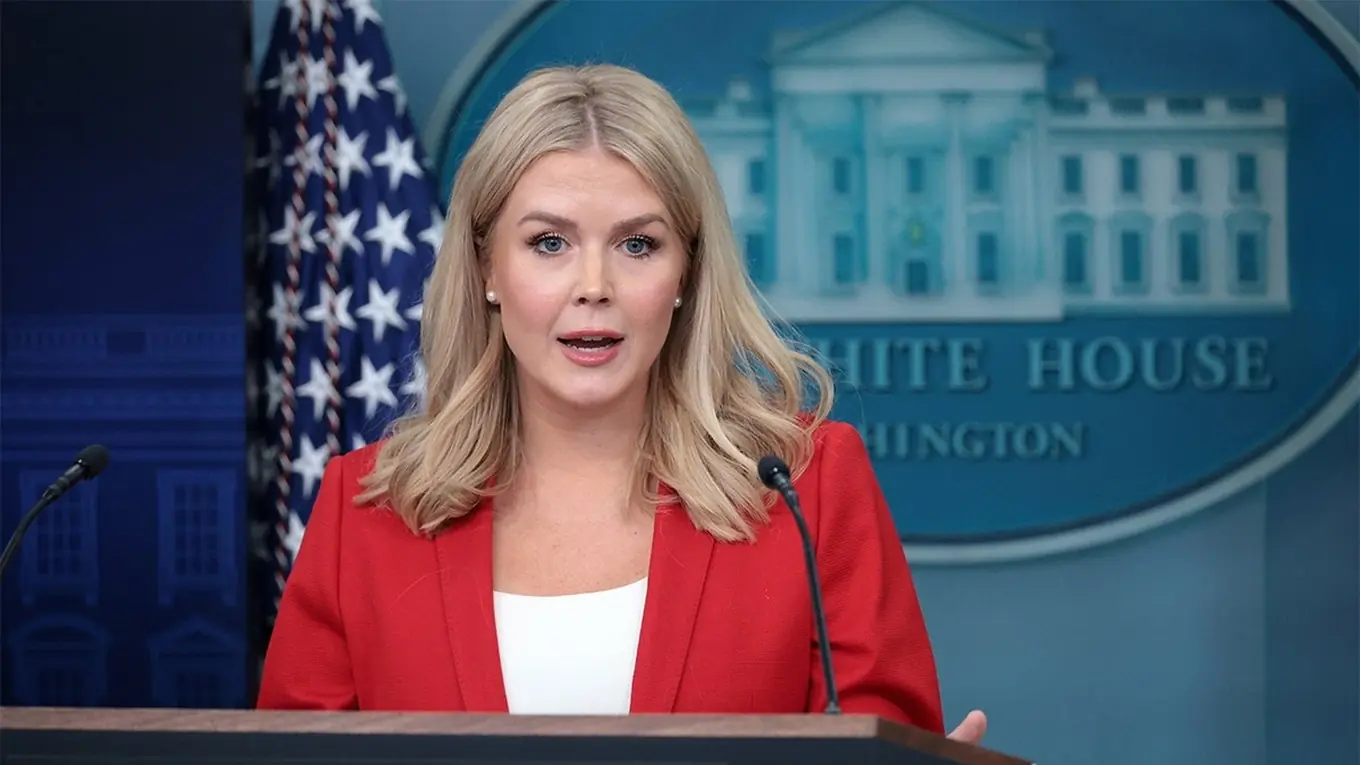
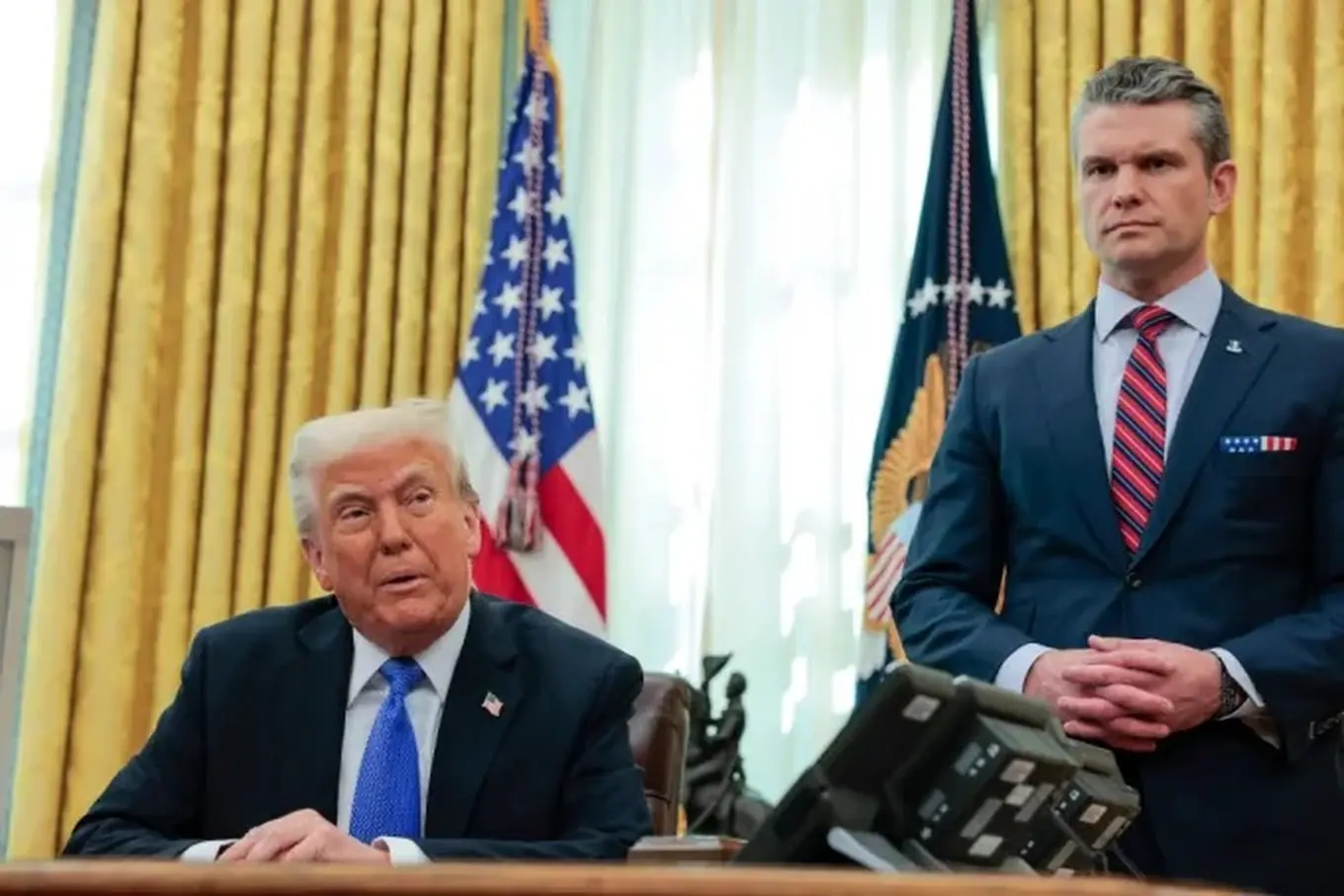
White House responds to speculation about possible U.S. ground deployment in Iran
Recent reports suggesting that the United States might send ground troops into Iran have drawn attention from policymakers and the public. The White House has responded to the speculation, emphasizing that no specific decision has been made while reiterating that the U.S. administration continues to evaluate all available options amid the ongoing conflict.
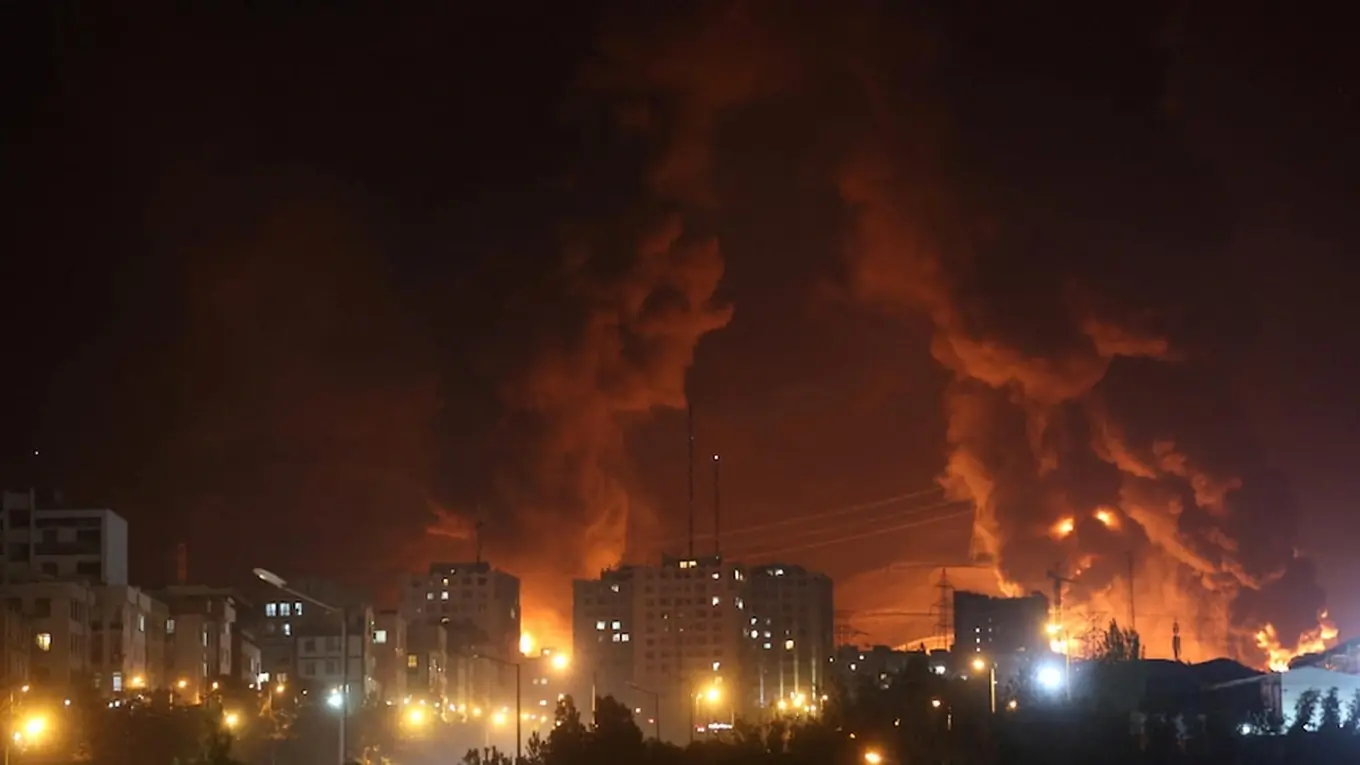
The clarification comes as tensions between the United States, Israel, and Iran remain high, with military operations and retaliatory actions continuing across several parts of the Middle East.
White House rejects claims of a specific plan
The White House dismissed reports claiming that President Donald Trump had discussed deploying a small number of U.S. ground troops to Iran for specific strategic objectives. According to the administration, such reports rely on speculation and anonymous sources rather than confirmed policy decisions.
White House press secretary Karoline Leavitt said that any suggestion the president had endorsed a particular plan was inaccurate. She stressed that individuals making such claims were not part of the president’s national security discussions.
At the same time, officials did not completely rule out any future option. The spokesperson noted that the president prefers to keep strategic flexibility in a rapidly evolving situation.
Reports from U.S. media sparked speculation
The speculation began after NBC News reported that President Trump had discussed with advisers the possibility of sending a limited number of troops to Iran to secure certain strategic objectives.
According to the report, potential goals included securing Iran’s uranium stockpile and participating in the establishment of a new government that could cooperate more closely with Washington.
However, the White House emphasized that these discussions were hypothetical and did not represent a finalized policy.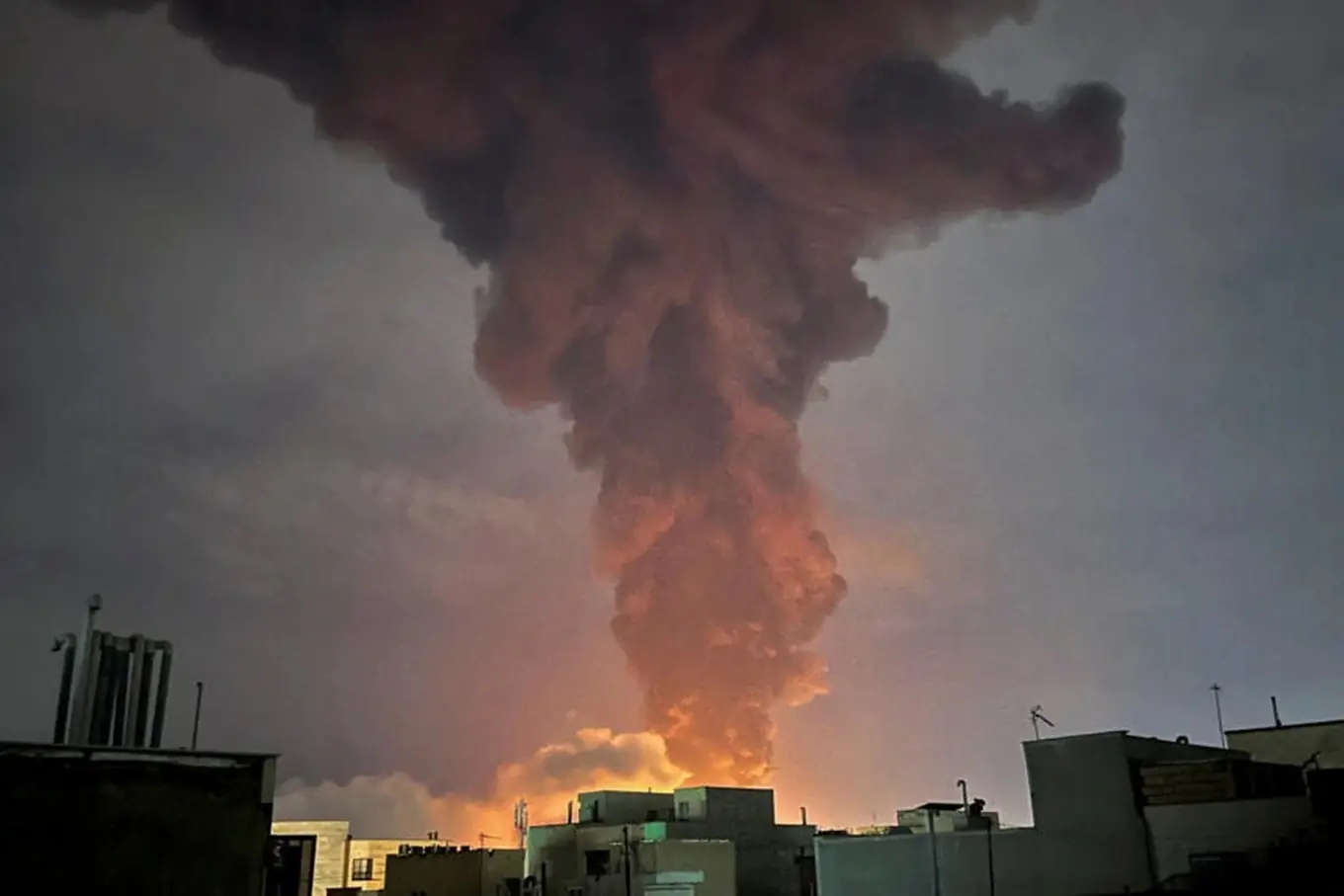
Ground deployment not currently planned
Officials also indicated that deploying U.S. ground forces is not currently part of the administration’s operational plans. The United States has so far relied primarily on air operations and long-range strikes during the campaign against Iran.
This approach reflects a broader trend in recent U.S. military strategy, which often prioritizes airpower, precision weapons, and technological advantages over large ground deployments.
Nonetheless, the White House spokesperson said past conflicts show that leaders sometimes make the mistake of ruling out options too early, especially when situations can evolve quickly.
Political debate in Washington
The possibility of sending American troops to Iran has also triggered debate among lawmakers in Washington. Several Republican members of Congress have stressed that the United States should avoid deploying ground forces in Iran.
Some Democratic lawmakers have expressed similar concerns, arguing that such a move could lead to a prolonged conflict similar to previous U.S. military engagements in Iraq and Afghanistan.
During his presidential campaign, Donald Trump frequently promised that he would avoid placing the United States into “endless wars,” particularly after the U.S. withdrawal from Afghanistan in 2021.
These earlier commitments are now shaping the political discussion around the current conflict.
Strategic goals emphasized by U.S. officials
U.S. leaders have repeatedly stated that their primary objective is to ensure that Iran does not develop nuclear weapons and does not pose a threat to American interests or allies in the region.
Vice President J.D. Vance said that achieving this objective would help prevent the United States from repeating the kinds of long and complex conflicts it experienced in the Middle East over the past two decades.
According to administration officials, Washington believes that the current strategy—focused on air operations and coordinated actions with allies—can achieve its goals without the need for large-scale ground involvement.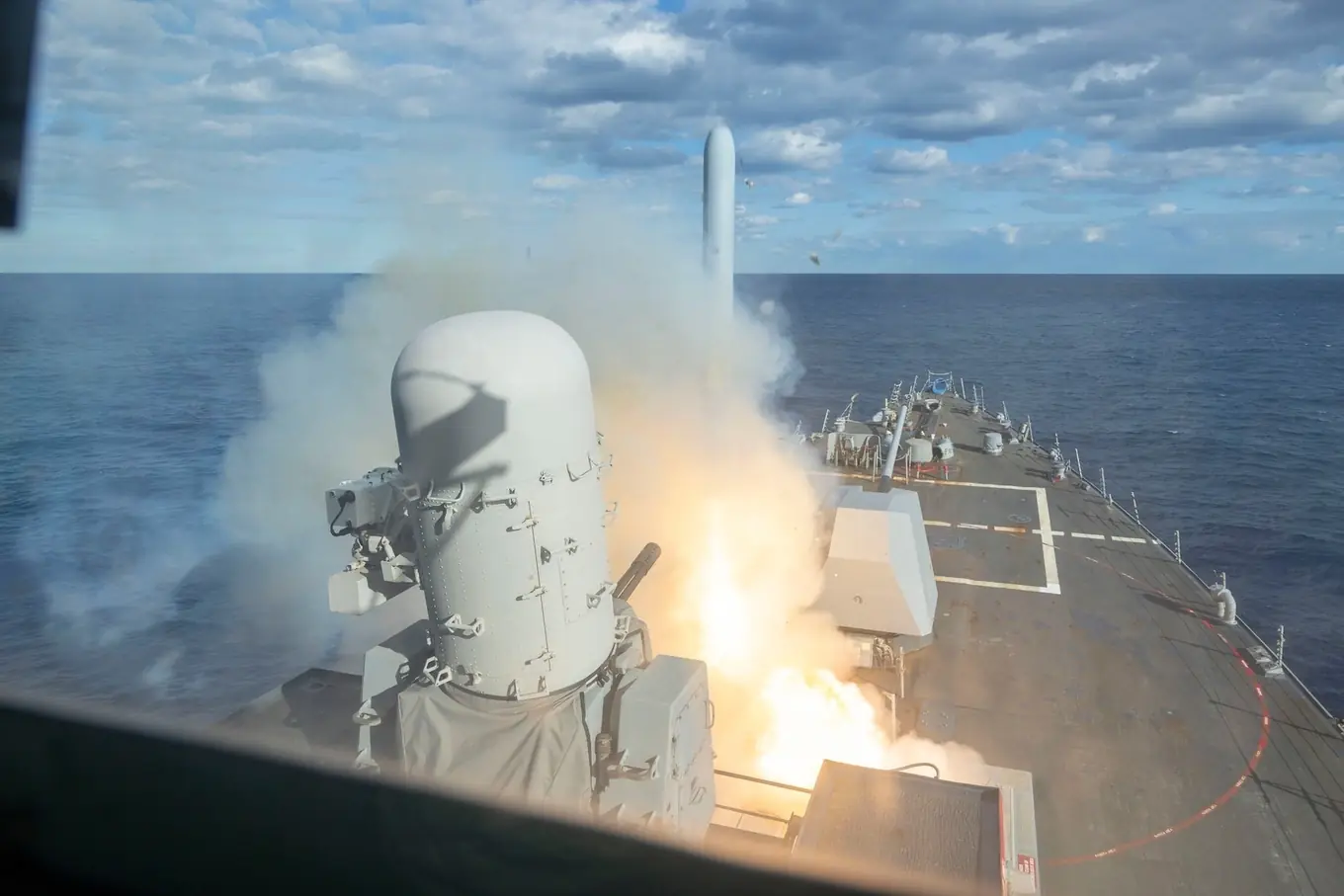
Uncertain outlook as the conflict continues
Despite these statements, analysts note that the situation in the Middle East remains highly fluid. Military operations and political developments could influence the choices available to decision-makers in Washington.
For now, the White House message is that no specific plan exists to send American troops into Iran. However, officials also stress that the administration intends to keep every strategic option available as the situation continues to evolve.
Thailand asks civil servants to work from home to support energy-saving efforts
Russia says it is open to stable, long-term energy partnerships with Europe
Why Ukraine talks are being delayed, according to Zelensky
Iran Says It Is “Waiting” for U.S. Fleet in the Strait of Hormuz
India Sets Key Principles on Middle East Crisis While Seeking Alternative Oil Sources

Key Takeaways from Trump’s Speech at the “Shield of the Americas” Summit

Kremlin Says Russia Remains Open to Direct Talks with the U.S.
Slovakia Warns It May Block EU Loan to Ukraine Over Druzhba Pipeline Dispute
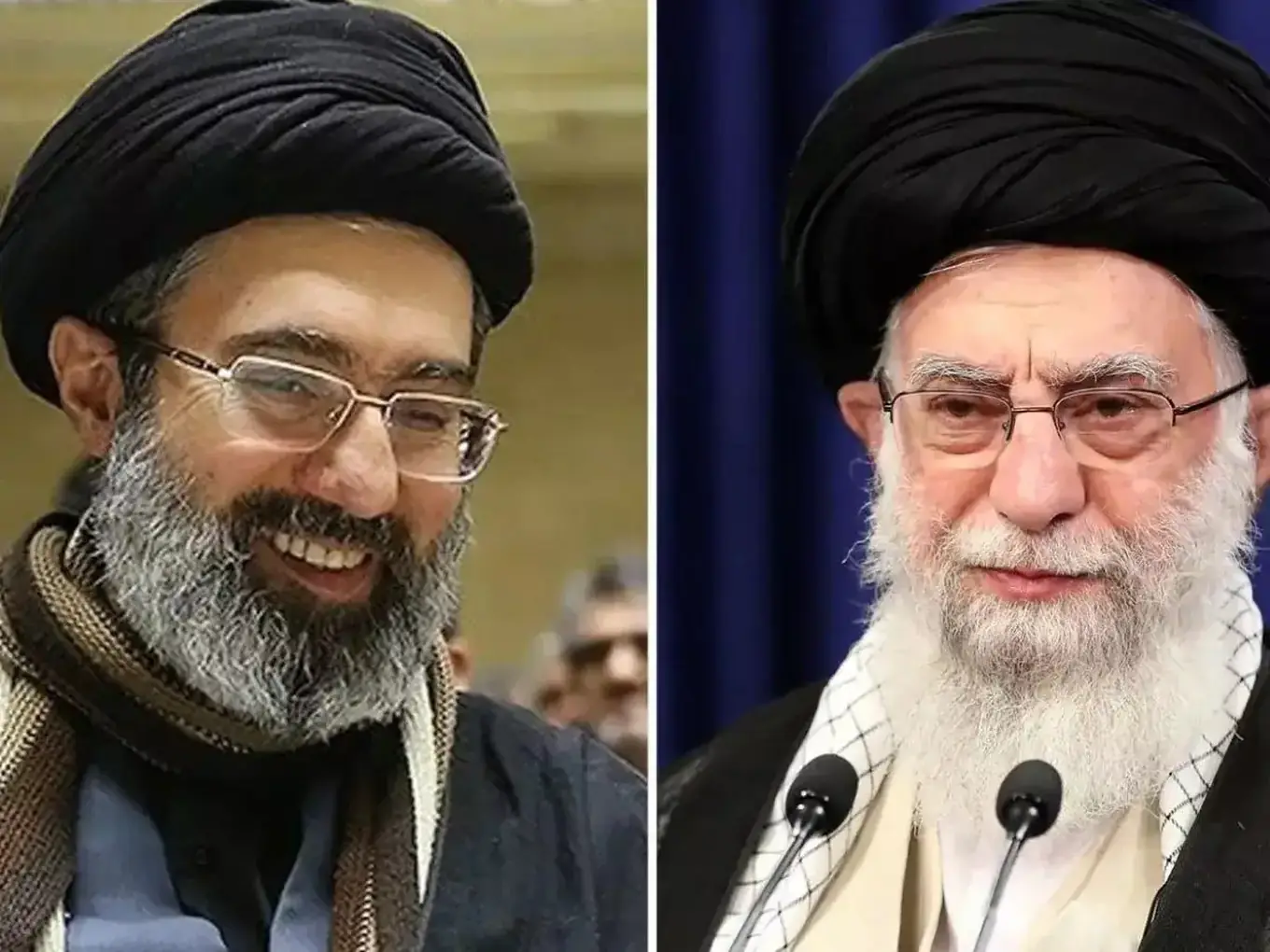
Iran signals determination after naming new supreme leader
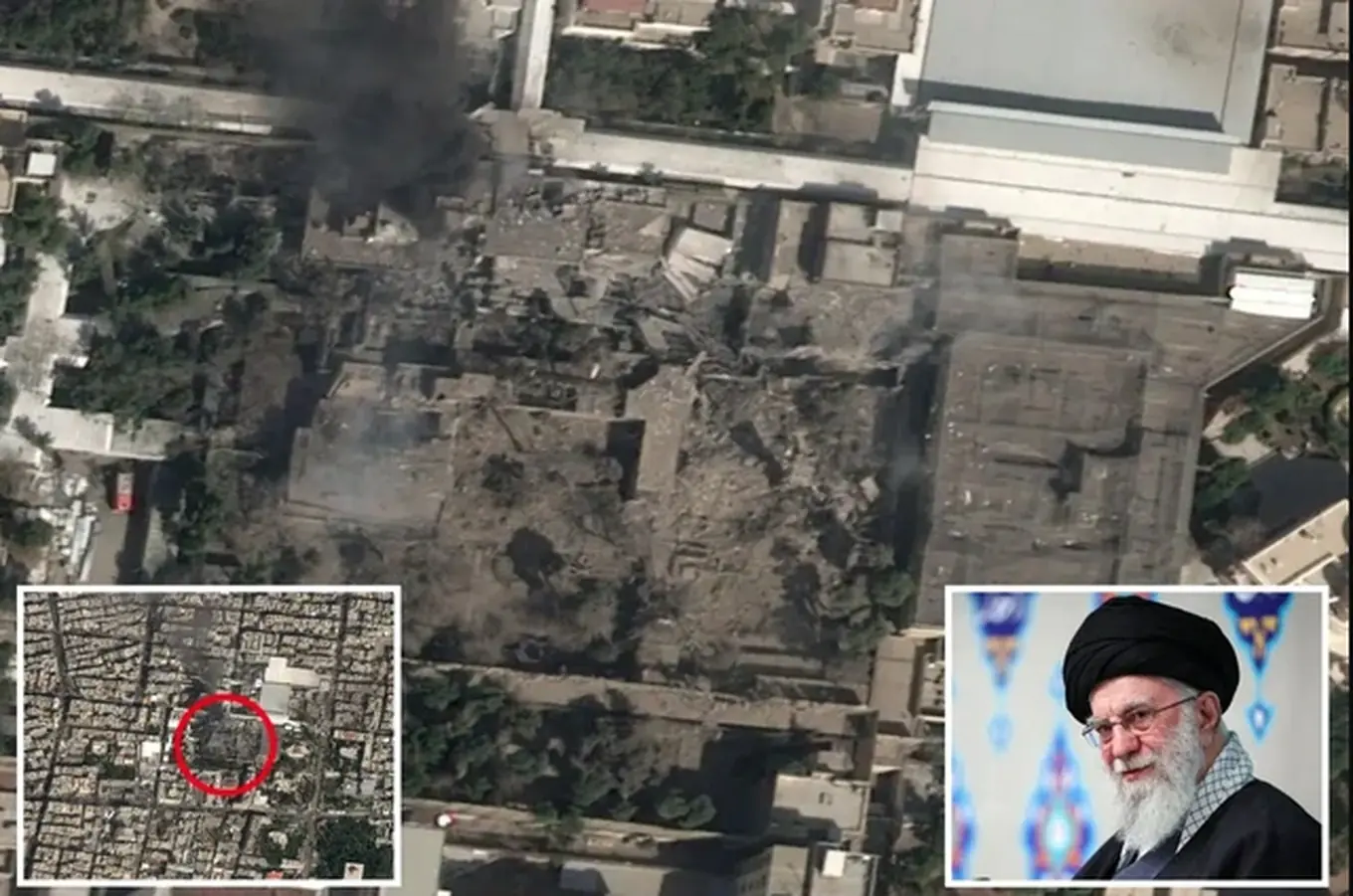
Iran says it has not used full strength, signals larger response
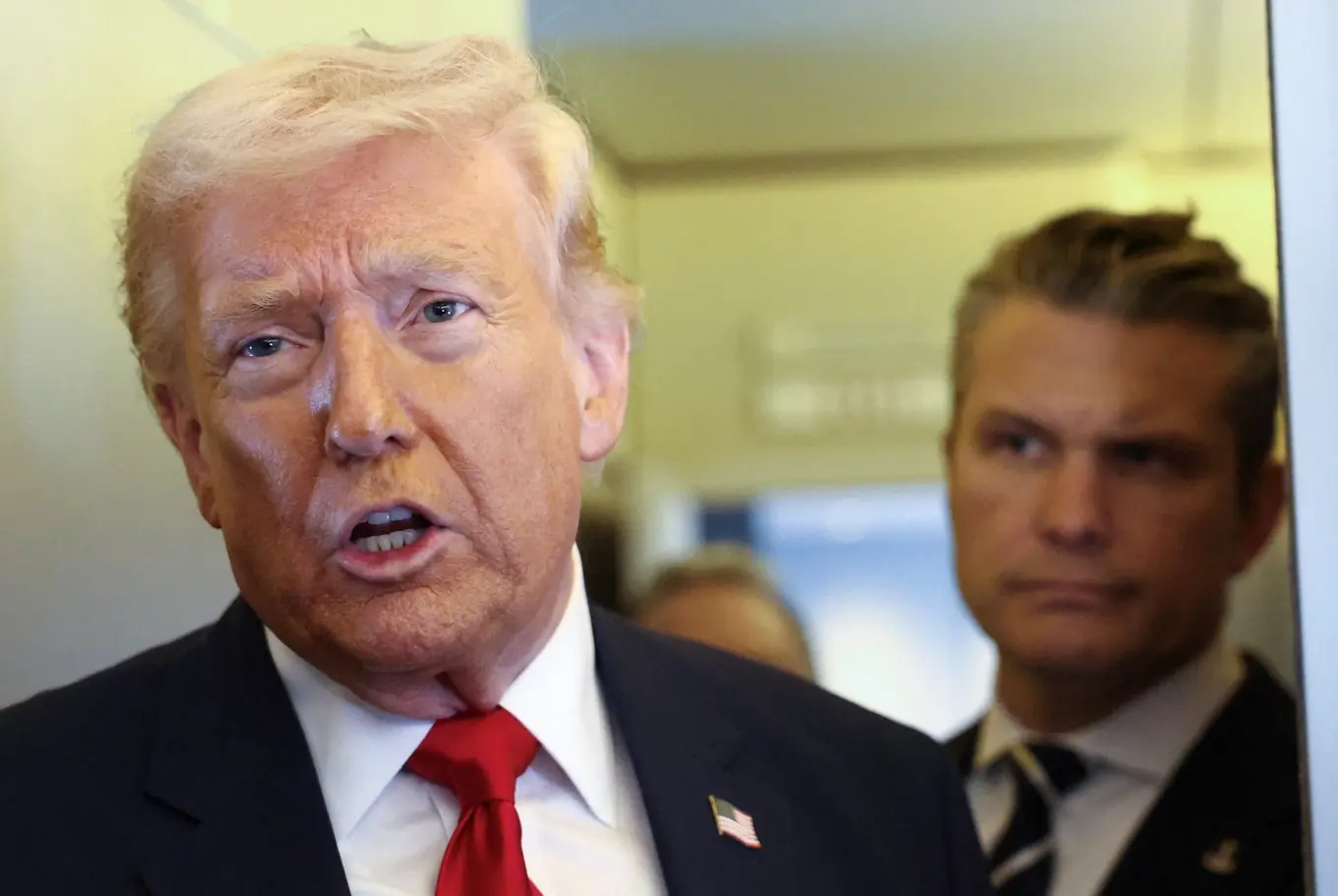
Limits of the U.S. air campaign against Iran become increasingly visible
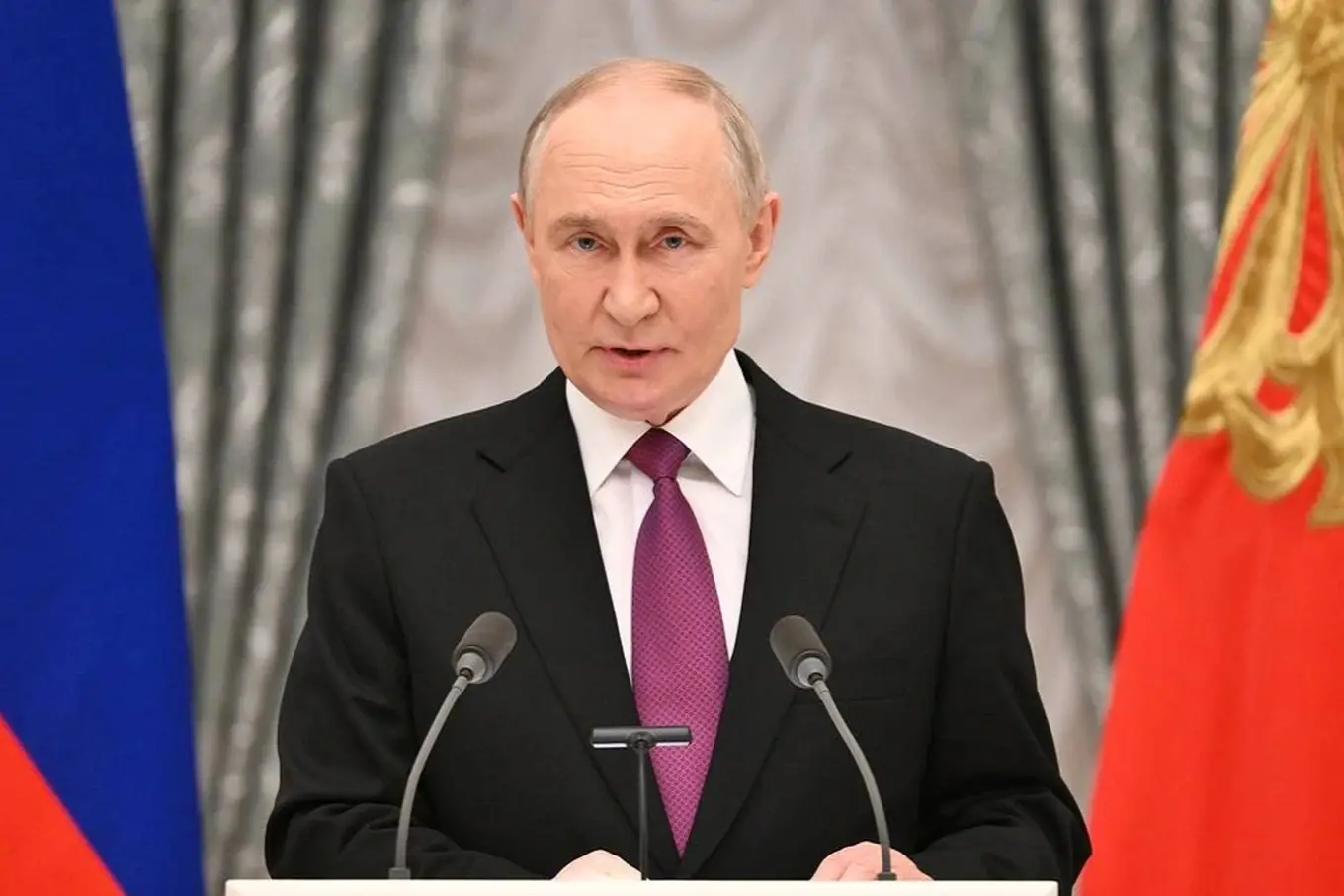
Putin says Russia will continue standing with Iran during regional tensions
U.S. signals it may set surrender conditions for Iran as Tehran rejects the demand
Overview of the Middle East conflict as missile exchanges intensify
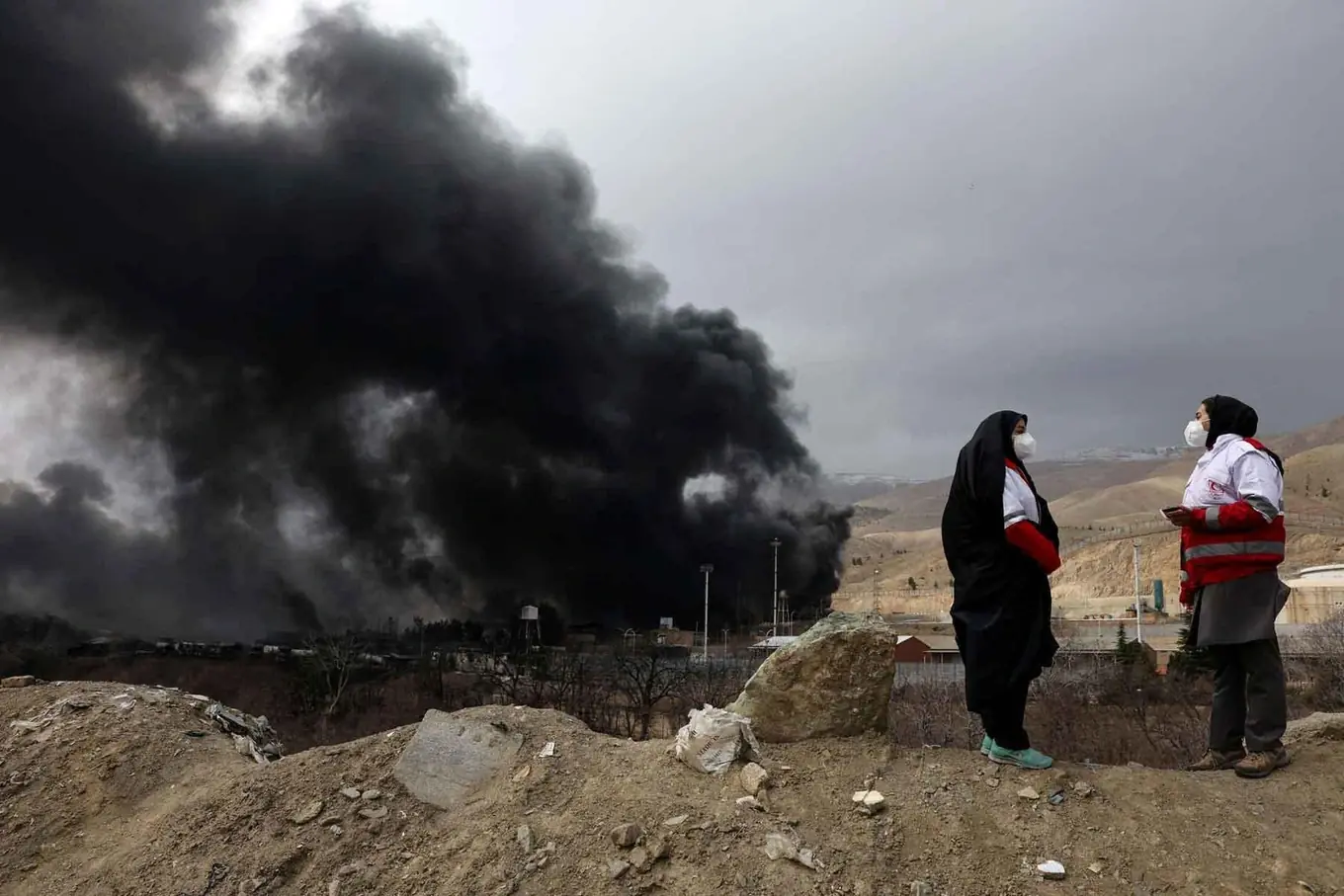
Daily life in Tehran disrupted as residents face severe hardship during the conflict
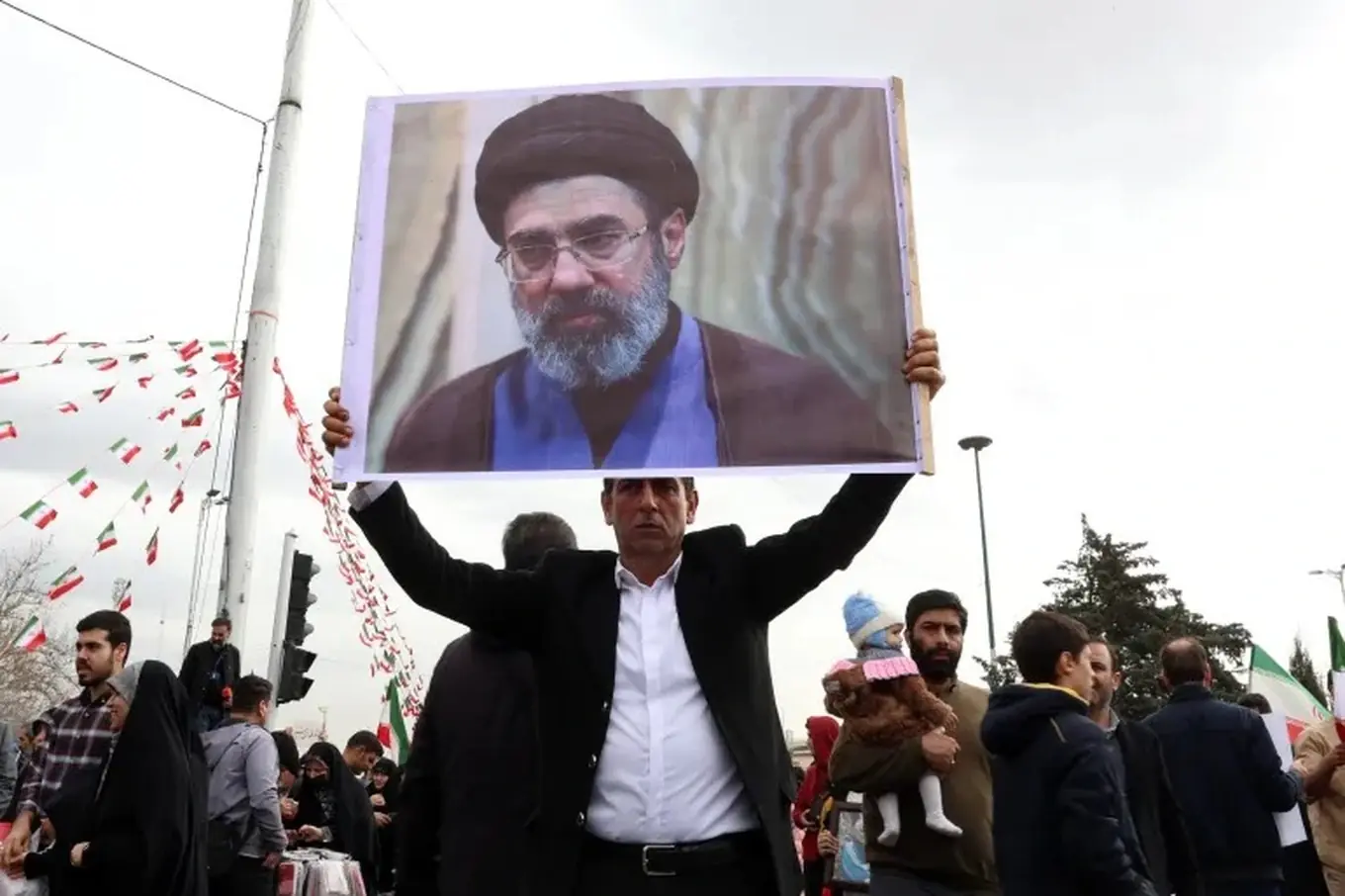
Profile of Iran’s newly selected supreme leader
Iran’s Assembly of Experts Nears Consensus on Next Supreme Leader

India Says Its Russian Oil Purchases Require No Approval from Others
Thailand asks civil servants to work from home to support energy-saving efforts
Russia says it is open to stable, long-term energy partnerships with Europe
Why Ukraine talks are being delayed, according to Zelensky
Iran Says It Is “Waiting” for U.S. Fleet in the Strait of Hormuz

My MIL Tried to Toss the Dinner I Cooked for My Husband’s Birthday — It Backfired

My SIL Adopted a Girl, but My Husband Wouldn’t Go to Her Birthday Party

My Ex Tried to Show Off as a Dad on Father’s Day — But Our Daughter Exposed Him

My Fiancée Put My Daughter in Economy and Took First Class — I Ended the Engagement

I Found Out My Dad Paid My Fiancé to Walk Away — So I Walked Away First


My Husband Joked That I Was His “Sister” — Until Our Anniversary Changed Everything

Daniel’s Mom Never Thought I Was Good Enough — Until Her Birthday

My Family Celebrated Together While Everything Between Us Was Breaking

I thought I knew my sister until one conversation changed everything

After Marriage Was Falling Apart And My Family Made It Worse Without Trying

I realized too late that I was replacing my mother in my family

When my parents divorced, they made me choose sides without saying it
India Sets Key Principles on Middle East Crisis While Seeking Alternative Oil Sources

My mother controlled our family with love and i didn’t see it until i left

I Never Thought My Father’s Affair Would Redefine Our Entire Family